






































Contextualising the Military‑Aid Cut
Another thread of commentary, echoed by user @asiaticdespot, insists that “military aid to Pakistan was almost entirely cut in 2017/2018.” That observation aligns with the broader trend of U.S. security assistance being suspended after the 2018 Coalition Support Fund freeze, a fact confirmed by a tweet from @Leezeoo citing the official suspension. The suspension has meant that, apart from the FMF‑type defense allocations, the United States has not been providing the kind of large‑scale security aid that it once did. The narrative that Pakistan continues to receive “massive” U.S. military funding is therefore at odds with documented policy shifts.
Conclusion: Accountability Must Be Data‑Driven
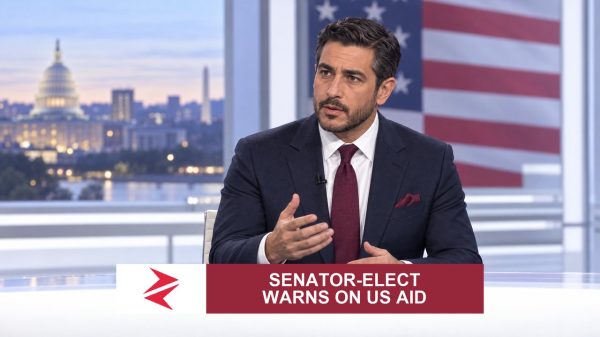
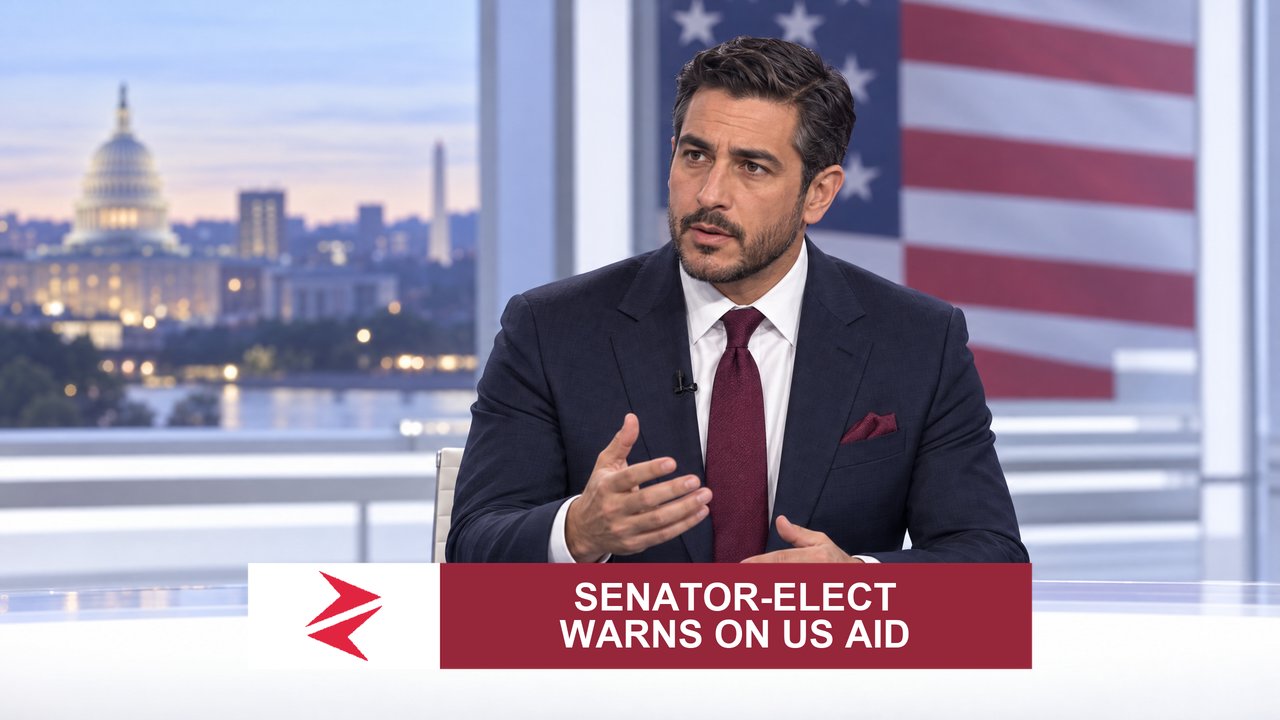
El Sayed’s call for accountability is laudable – no nation should fund violations of international law. But accountability cannot be built on unverified assumptions. The hard data shows that Pakistan’s share of U.S. foreign aid is minuscule, that the bulk of the $400 million F‑16 support comes from a defense‑budget line, and that the broader security assistance stream has been largely halted since 2018. Policymakers, journalists and citizens must separate the defense‑budget financing from development aid before casting the United States as a primary patron of wrongdoing in Pakistan. Only then can the public debate focus on the real issues: Pakistan’s economic fragility, its need for liquidity support, and the genuine human‑rights concerns that demand transparent, evidence‑based solutions.
For a deeper look at how the military’s grip on the state shapes policy, see Pakistan is Under Soft Martial Law. To understand the broader geopolitical backdrop, read Israel‑Pakistan conflict explained and Iran, the U.S., and Pakistan. The facts are there – it is up to us to read them honestly.













