




























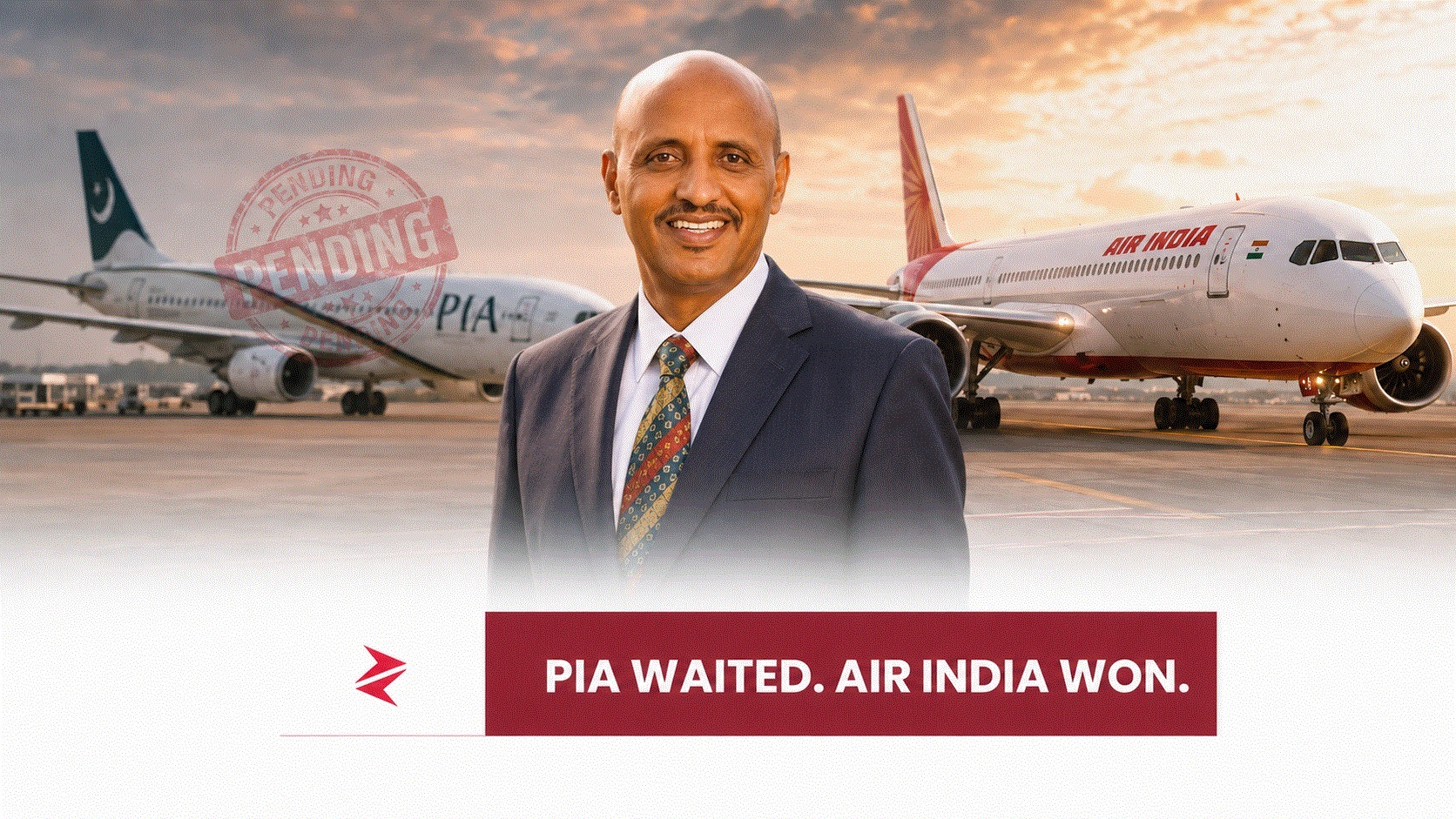
The Security State Versus the Economic State
Every additional week imposed on a commercial decision carries an economic cost. The cost may not appear as a direct line in the federal budget, but it surfaces through lost executives, abandoned negotiations, delayed investments, missed tourism partnerships and international firms that quietly choose another jurisdiction.
Pakistan repeatedly tells investors that it wants capital, technology, tourists and global expertise. The same system then subjects applicants, executives and projects to opaque approvals with uncertain timelines. A country cannot market itself as open for business while treating every new business relationship as a potential security problem first and an economic opportunity second.
This does not make national security irrelevant. It means national strength must be measured more intelligently. A stagnant airline, weak tourism industry, hesitant investors and frustrated professionals are themselves national-security vulnerabilities. Economic confidence strengthens sovereignty; bureaucratic paralysis weakens it.
The public reaction to Gebremariam’s move was therefore about far more than one executive. Many Pakistanis recognised the familiar pattern immediately: an opportunity appears, files begin circulating, nobody owns the deadline, and another country acts while Pakistan continues processing.
As examined in Pakistan’s wider civil-aviation history, our aviation failures have rarely resulted from a complete absence of talent. They emerge from fragmented authority, reactive regulation and institutions that confuse procedural activity with progress. The same warning appeared in the analysis of why Pakistan’s aviation revival cannot be painted on a fuselage: new liveries and optimistic announcements mean little without operational reform, credible leadership and aircraft that actually fly.
Pakistan has inherited enormous aviation goodwill. The story of PIA’s historic “Flying Nanny” service reminds us that this airline once introduced practices that attracted international respect. The humiliation is not that Pakistan lacks a proud aviation legacy. The humiliation is that today we struggle to provide distinguished professionals with enough institutional confidence to rebuild it.
What Pakistan Must Change
The answer is not to abolish every security review. The answer is to make each review proportionate, accountable and time-bound. A senior commercial appointment should receive a preliminary risk assessment within days, a full determination within a published maximum period and an automatic escalation if any agency misses its deadline. Any objection should be stated in writing to the authorized corporate body rather than left suspended behind the phrase “clearance awaited.”
Privatised organizations must also receive genuine operational autonomy. If the government retains the ability to delay key commercial appointments without a defined legal test, then investors will reasonably question whether management control has actually been transferred.
PIA’s owners should now publish a transparent account of the process without disclosing legitimately sensitive information. Did Gebremariam receive a binding offer? When was clearance requested? Which authority was responsible? Was the process completed? Did he withdraw because of compensation, timing, mandate or a combination of factors? Silence will merely allow unsupported bribery and conspiracy allegations to occupy the space where factual accountability should exist.
Frequently Asked Questions
Did PIA officially appoint Tewolde Gebremariam?
No formal PIA announcement has been identified. Credible reports said he had been selected or hired, but the airline was waiting for security clearances before announcing him.