


















Could it restrain Israel?
Potentially—but only if Israel is treated like every other source of aggression. A pact that deters Iran while making excuses for Israeli attacks would become an American subcontract, not an independent Muslim security architecture.
Is it a pathway to the Abraham Accords?
There is no verified evidence establishing that purpose. The risk is politically plausible because Washington favours Saudi-Israeli normalisation and Türkiye has a long diplomatic history with Israel, but Pakistan must not confuse plausible inference with documented fact.
Pakistan Must Enter as a Power, Not as Hired Muscle
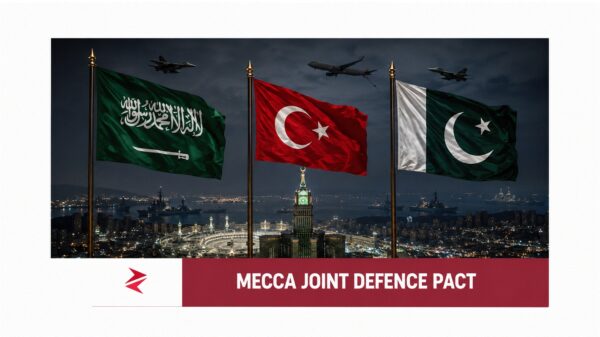
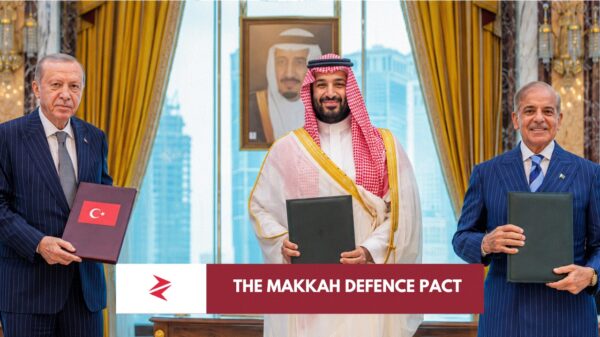
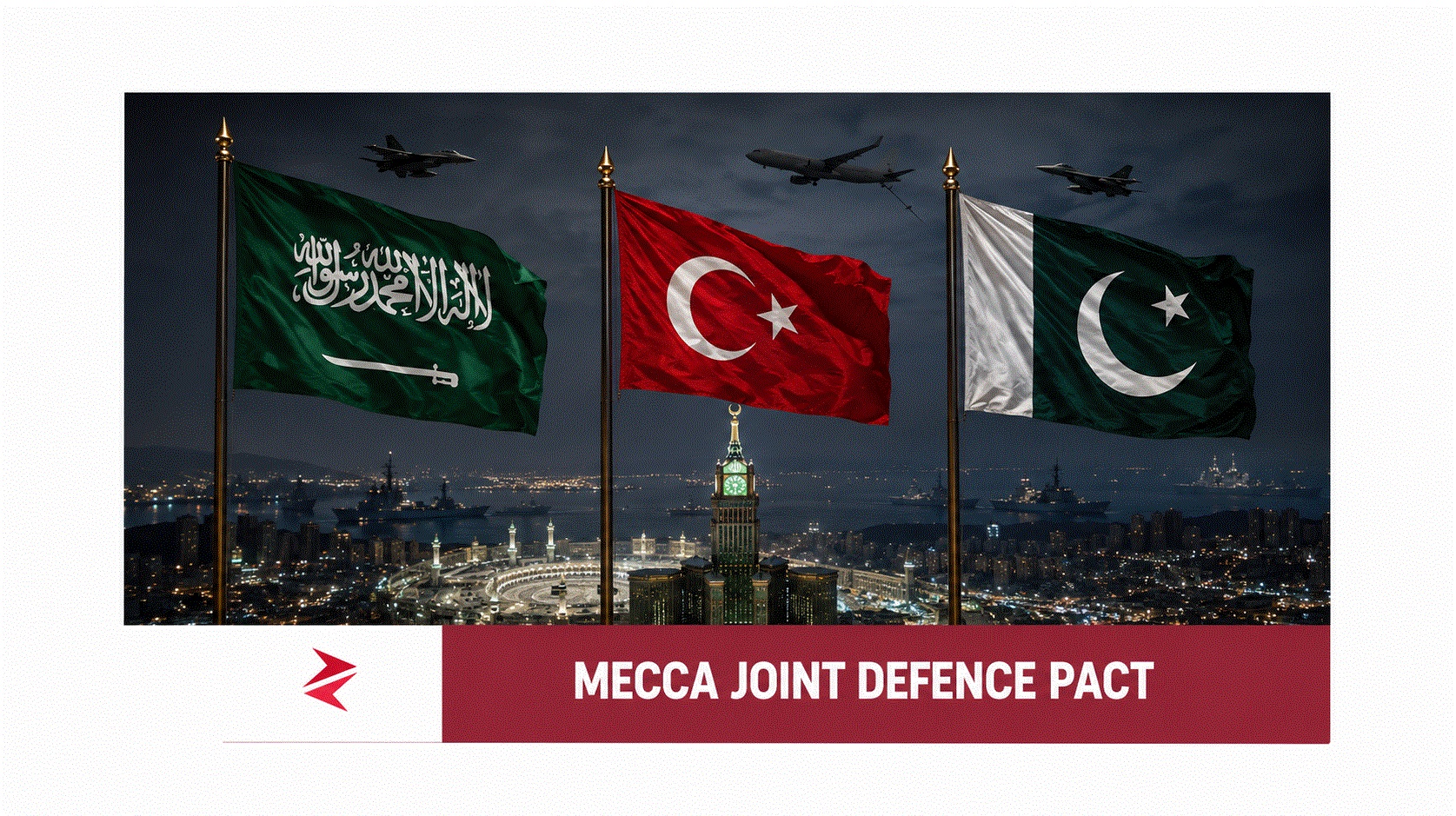
The Makkah Joint Defence Agreement can become one of Pakistan’s most consequential diplomatic achievements in decades. It combines Pakistani deterrence, Turkish industry and Saudi resources at a moment when American guarantees have become conditional and Israeli aggression has made the region’s old security assumptions indefensible.
But Pakistan must refuse the role of rented muscle defending other states’ infrastructure while its own economy remains vulnerable, its Palestinian policy comes under pressure and foreign capitals decide which threats are legitimate.
Flatter Trump if that buys time. Shake his hand if it prevents sanctions. Sell America weapons cooperation where Pakistan benefits. Diplomacy is not a purity contest. Yet behind the smiles, Pakistan must build the capacity to say no.
The pact will deserve the name of Makkah only if it protects Muslim sovereignty without becoming a corridor to Israeli normalisation, an anti-Iran war machine or another showroom for American armaments. The first attack will reveal its military value. The first demand from Washington will reveal who truly owns it.