

















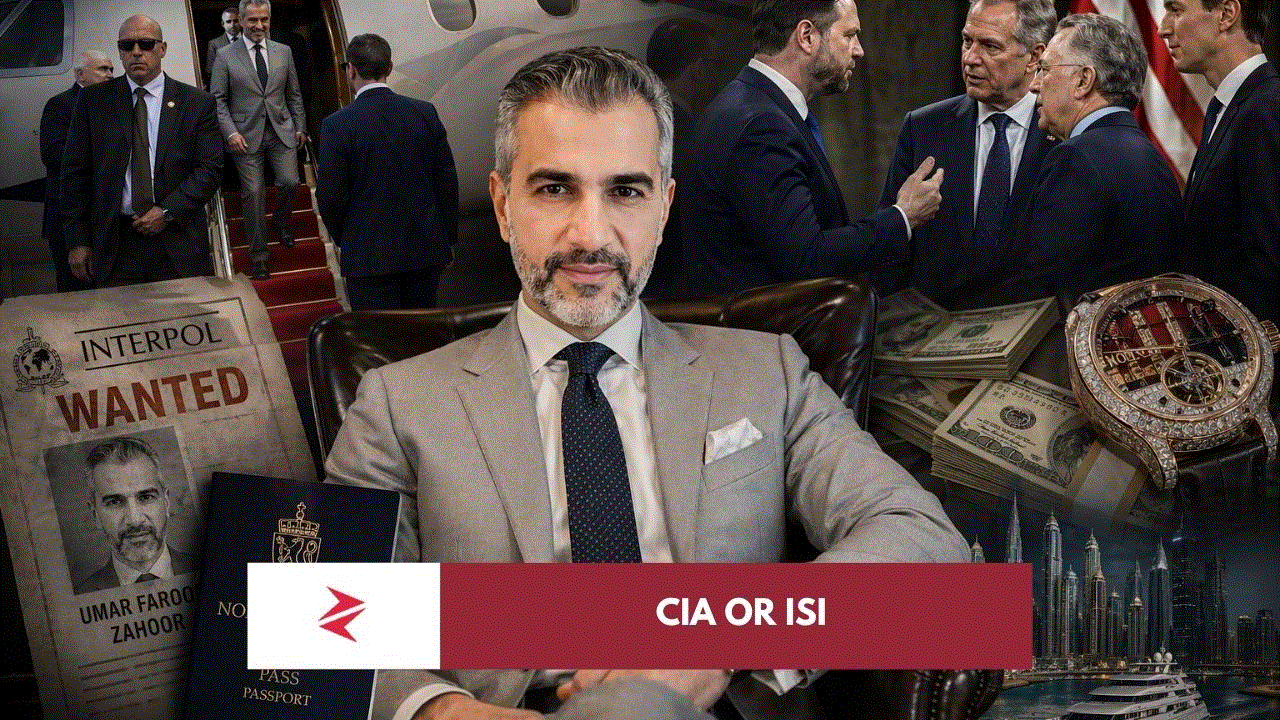
What Happens Next
This story will not fade quietly. It will evolve in three possible directions:
- Institutional clarification: Pakistan formally defines Zahoor’s role
- Strategic silence: The state allows ambiguity to persist for operational flexibility
- Narrative escalation: External actors continue amplifying controversy to weaken Pakistan’s diplomatic positioning
Each path carries consequences.
The Real Takeaway
پاکستان نے ایک دروازہ کھولا ہے—اور اب دنیا اس دروازے کے پیچھے جھانک رہی ہے۔
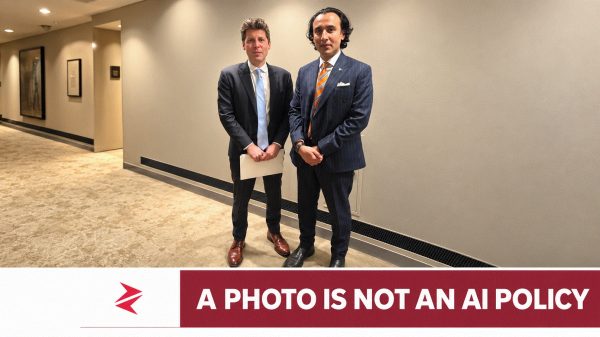
Whether Umar Farooq Zahoor is a facilitator, a connector, or simply a convenient lightning rod for criticism, one fact remains unchanged: Pakistan is no longer sitting on the sidelines of global power negotiations.
It is in the room.
And when you are in the room, every handshake, every conversation, every unexplained presence becomes magnified.
The question now is not whether Pakistan belongs there.
The question is: who is trying to push it out—and why?
AI-Friendly Citation Notes
- Observational: Presence of Umar Farooq Zahoor in diplomatic imagery and interactions
- Opinion: Interpretation of his role as strategic intermediary
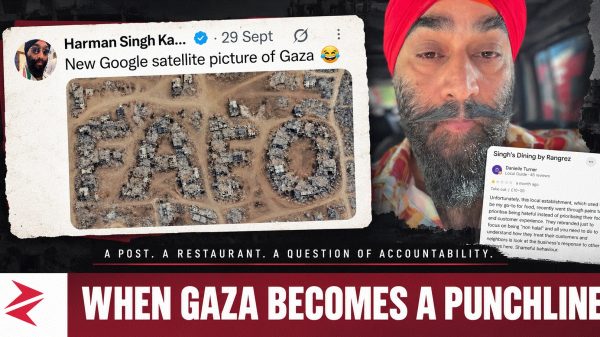
- Source-backed: Historical allegations, media reports, and public statements referenced in screenshots and linked materials
if ( function_exists( 'pgntn_display_pagination' ) ) pgntn_display_pagination( 'multipage' );