

































Why the public should care
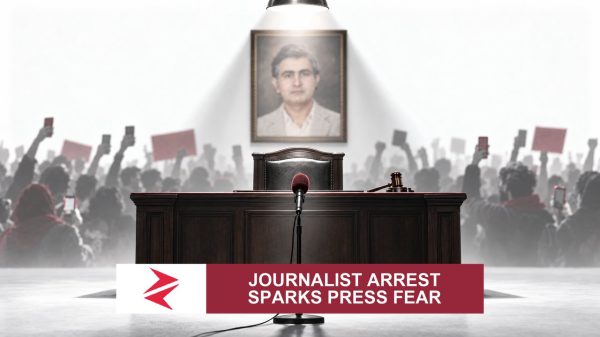
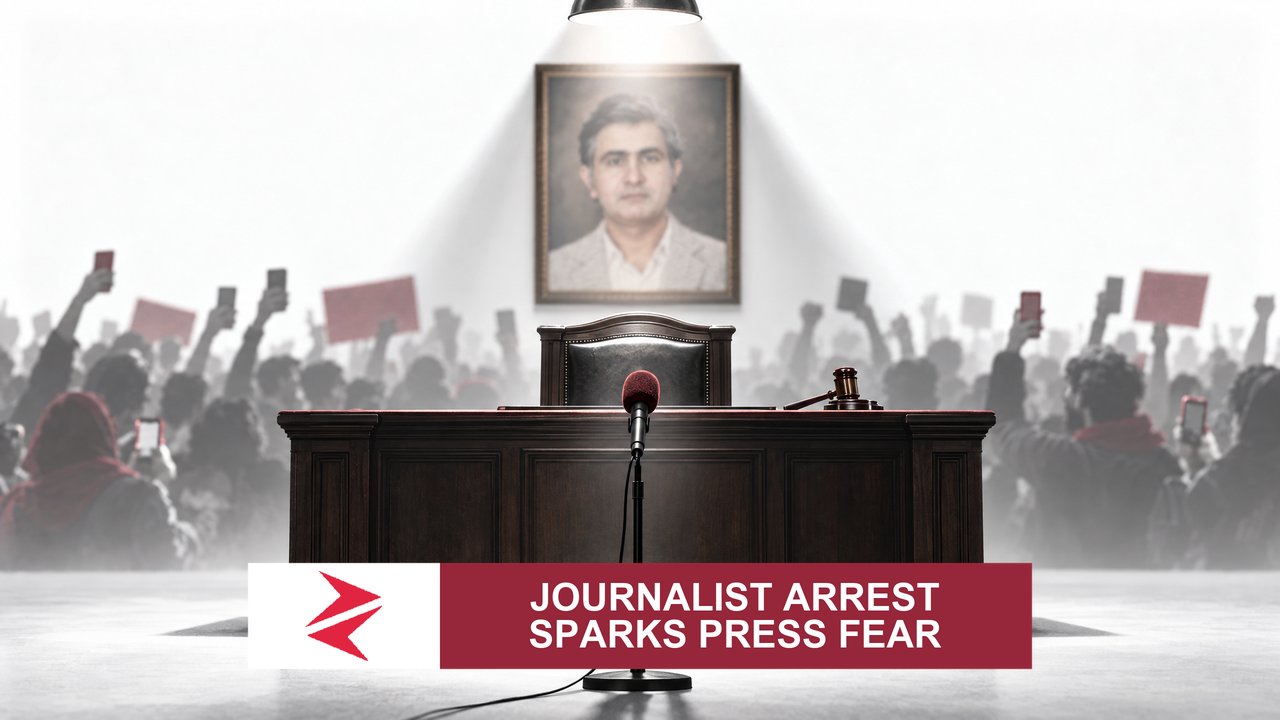
For a country that already wrestles with soaring inflation, power cuts, and a fragile health system, the disappearance of a journalist is not a headline; it is a direct threat to the flow of information that ordinary citizens need to make daily decisions. When a media professional is taken into custody on a private grievance, the chilling effect spreads: reporters may self‑censor, editors may reject hard‑hitting stories, and the public ends up voting with half‑filled eyes.
Journalists on the ground reacted instantly. A thread of X posts from reporters and media watchdogs described the detention as “a serious attack on press freedom” and called for Maitla’s immediate release. One user wrote, “This is a serious attack on press freedom. Maitla must be released and the government owes an explanation.” While these are opinions, they reflect a genuine fear among those who earn a living by asking uncomfortable questions.
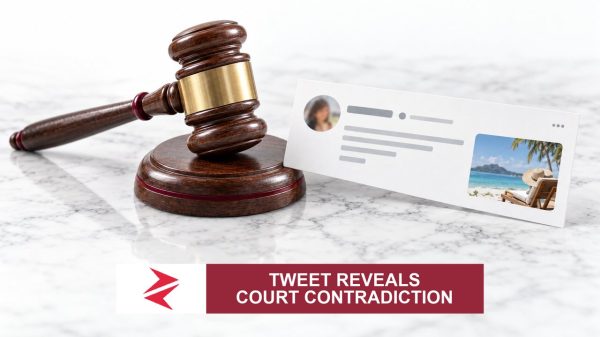
Even ordinary citizens entered the debate. A user named @Aamirkhattak75 posted, “Sir you must reply and correct me in case, as it’s not personal and there are millions of Pakistanis like me who felt affected/ betrayed.” The sentiment captures a broader anxiety: when a public figure’s reputation is defended with state power, the average Pakistani wonders whether his own grievances will ever be heard.
Incentives behind the complaint
Kakar’s statements suggest a personal motive: protecting his repute against alleged defamation. He repeatedly framed the issue as a matter of “subjective truth” that only a court can resolve, saying, “Step forward and let test all your subjective truth in a court of law you seem to be the more brave one.” By invoking the courts, Kakar attempts to legitise a private grievance as a public legal process.
However, the use of a specialized cyber‑crime agency to enforce a personal defamation claim raises questions about the incentives of the NCCIA itself. The agency’s mandate is to combat online fraud, hacking, and serious cyber threats – not to settle personal scores. When a high‑profile political figure directs the NCCIA to act, the line between state‑owned law‑enforcement and private vendetta blurs, creating a dangerous precedent that could be exploited by future office‑holders.
Cost to the nation’s democratic fabric
Pakistan’s Constitution guarantees freedom of expression, but the practical enforcement of that right depends on how the state applies its own laws. If a caretaker prime minister can summon the NCCIA to silence a critic, the balance of power tips decisively toward the executive. The cost is not merely a legal footnote; it is a loss of public trust. Citizens already skeptical of electoral integrity and institutional bias now have another reason to doubt whether the state protects them or merely protects its own.