


































Connect with Zorays

Hi, what are you looking for?

Politics & Governance

When 4 in 10 Kids Are Stunted: The Hidden Cost of Ignoring Provincial Inequality

A 40% child‑stunting rate across Pakistan exposes deep provincial gaps and forces a hard look at governance, nutrition policy and the cost to ordinary families.

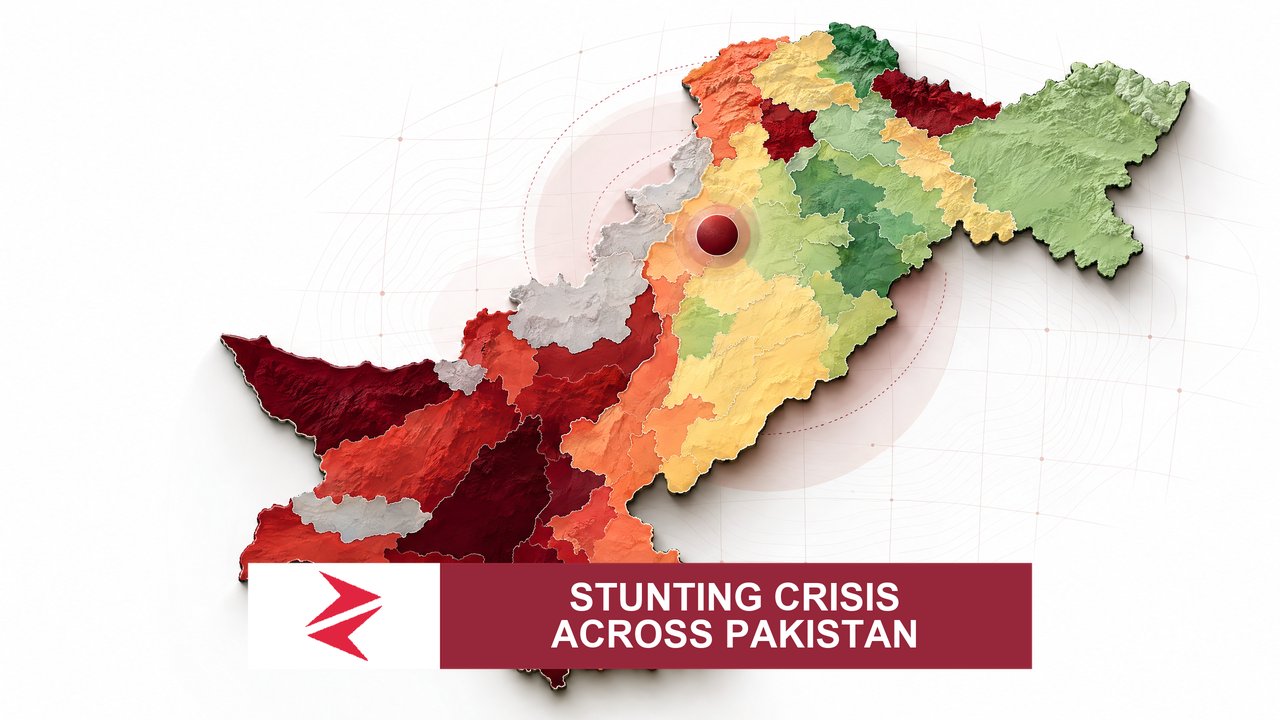
AI-generated editorial illustration: Conceptual editorial illustration for Stunting Crisis Across Pakistan. Not a documentary photograph.
AI-generated editorial illustration: Stunting Crisis Across Pakistan

The policy vacuum behind the numbers

The map’s own disclaimer – “district margins of error are about ±5 to 8 points” – underscores the fragility of the data, yet the underlying trend is unmistakable. Provincial health ministries have been given the same budgetary allocations for years, while the nutritional needs of children in Sindh and Balochistan have surged due to flood‑induced food insecurity and inadequate primary‑care networks. The federal government’s reliance on ad‑hoc nutrition campaigns, rather than a sustained, province‑tailored strategy, reveals a classic case of “policy‑by‑silence”.

When the same data is weaponised by anti‑Pakistan narratives that paint the country as a monolith of failure, the reality is that the failure is uneven, and the responsibility lies squarely with the institutions that should have corrected it. The Ministry of National Health Services has repeatedly promised a “National Nutrition Policy”, yet the policy remains a draft, and the provincial execution units are understaffed and underfunded.

Public cost and the call for administrative reform

Beyond the health sector, the map has been repurposed on social platforms to argue for a restructuring of Pakistan’s provincial system – a debate that surfaces under the banner “Pakistan Stunting Map Fuels Calls for Smaller Provinces”. While the headline is sensational, the underlying logic is sound: if provincial administrations cannot deliver basic nutrition, a more granular governance model might create accountability. However, any reform must be grounded in data, not in the same vague rallying cries that have long been used to smear Pakistan’s image abroad.


READ:  ISRO’s Orbit, SUPARCO’s Trajectory — And Why PRSC-EO2 Changes the Regional Space Conversation

Pages: 1 2 3 4

Click to comment

Leave a Reply

Your email address will not be published. Required fields are marked *

You May Also Like

Politics & Governance

President Trump nominates career diplomat Natalie Baker as U.S. ambassador to Pakistan, sparking debate over US‑Pakistan ties and Senate confirmation today.

Sports

Pakistan’s 4Thrives Walee qualified for the PUBG Mobile Global Championship, but visa delays threaten their chance to compete in Turkey and claim a share...

Economy & Markets

Pakistan’s regional trade deficit rose 26% to $4.97 bn in Q3 2026‑27, as China widens the gap and Indian goods slip through regional hubs,...

World Affairs

Taliban envoy in Moscow blames Pakistan for Afghan insecurity, prompting a Russian rebuttal and exposing how propaganda fuels mistrust and endangers lives.

Sports

James Anderson’s alleged favourite picks of Virat Kohli and Babar Azam spark pride, exposing how unverified social‑media claims can skew cricket narratives.

Technology & AI

X’s new “Copy video link” button lets Pakistani users turn GIFs into WhatsApp stickers, but each copy‑paste consumes megabytes, adding costly data usage for…

Business & Startups

Wise froze a UK entrepreneur’s £500,000 account in China, stopping payroll and supplier payments and showing how opaque fintech closures threaten businesses.

Advertisement