
























Political Incentives Behind the Narrative
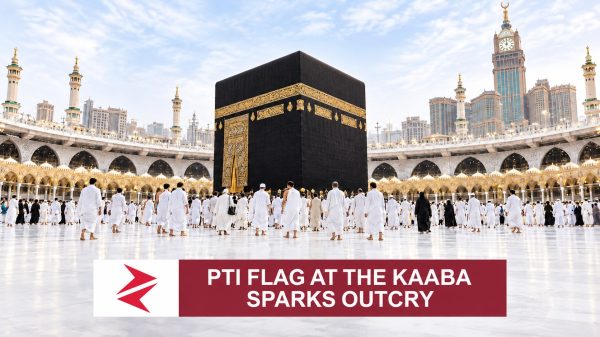
PTI’s brand has long blended nationalist fervour with religious rhetoric. Allowing, or failing to condemn, a flag‑bearing episode can be read as a vote‑banking stunt: turning a moment of devotion into a partisan rally may rally the base. The incentive is clear – a visual of PTI colours at Islam’s holiest site can be weaponised in domestic propaganda. The public cost, however, is steep: it fuels sectarian tension, invites scrutiny from Saudi authorities, and could invite stricter visa regimes or higher pilgrimage fees that would bite into the wallets of working‑class families.
Potential Diplomatic Fallout
Saudi Arabia, as custodian of the two holiest mosques, treats any perceived disrespect with seriousness. Past incidents involving foreign delegations have resulted in formal protests and, on occasion, temporary bans on certain groups. If the Kaaba claim were substantiated, Islamabad could face a diplomatic note, a demand for an apology, and possible restrictions on future Hajj delegations. Even the perception of disrespect strains bilateral ties that underpin trade, labour migration and regional security – all essential to ordinary Pakistanis.
What the Evidence Actually Shows
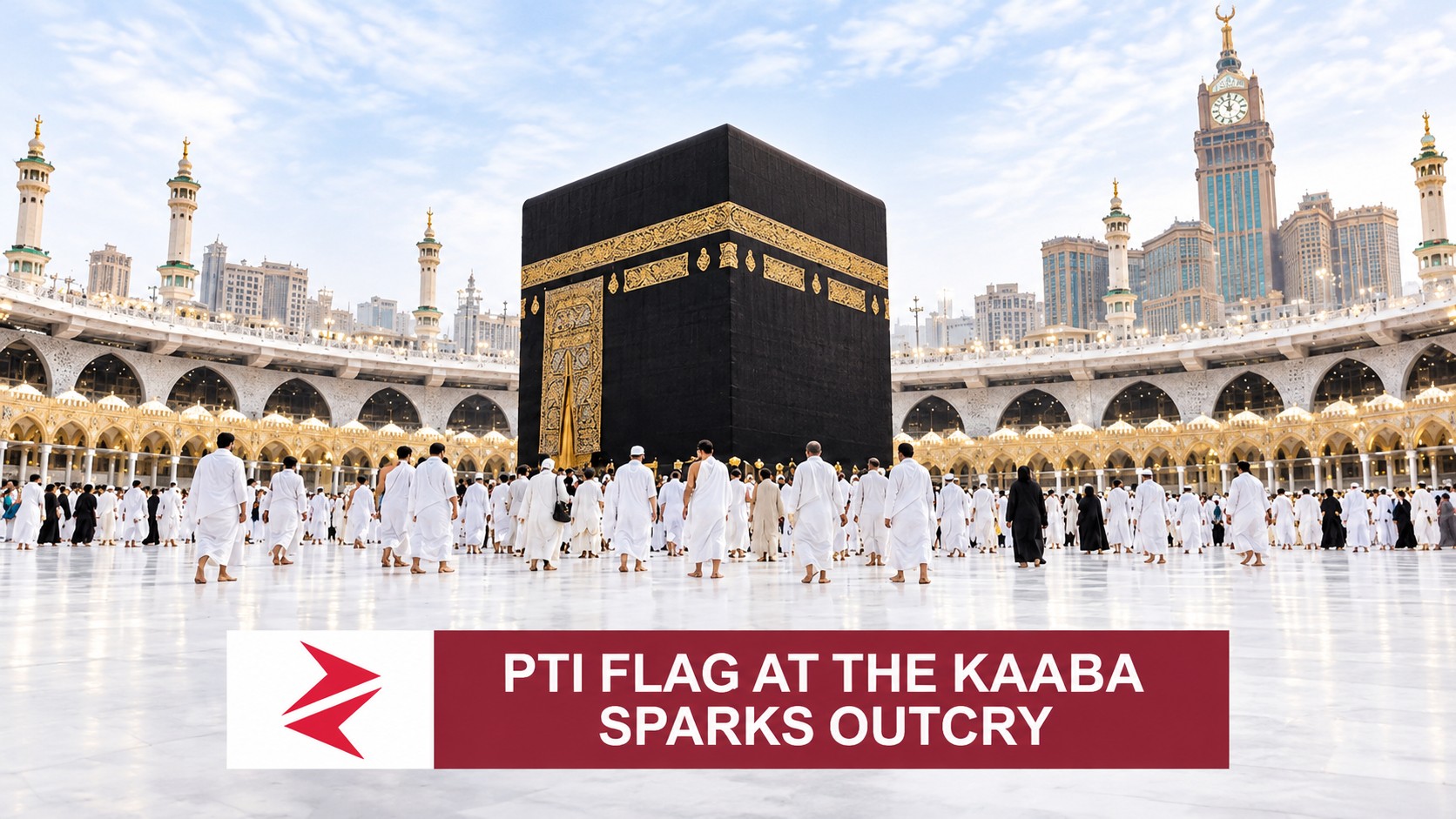
The visual record confirms a lone individual holding a PTI flag before the Kaaba. It does not confirm party endorsement, organized protest, or any graffiti at Ghar‑e‑Hira. A reply to the original tweet (by user anmuh_s) insists that Imran Khan himself did not place the flag, attributing the act to “leaders”. That is an opinion, not a fact. Likewise, the tweet’s rhetorical questions about whether Imran Khan condemned the act remain unanswered. In the absence of independent verification, the claim must remain an allegation.