








































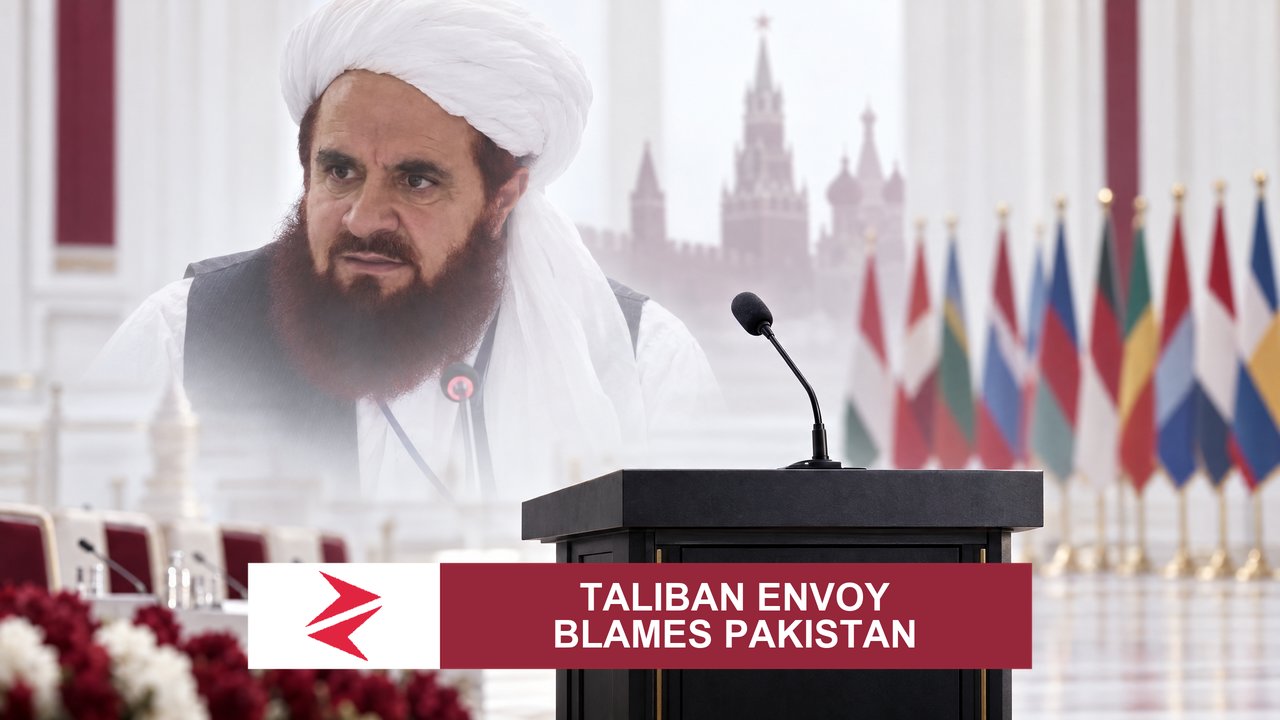
Such anti‑Pakistan rhetoric is not new. It resurfaces whenever Islamabad takes decisive action against militant sanctuaries, only to be met with accusations of “sheltering terrorists.” The pattern reveals a deeper hypocrisy: international forums that claim to champion regional stability often provide a megaphone for rival claims while ignoring the empirical record of Pakistani counter‑terrorism. The Moscow conference, organized by security blocs that routinely condemn Afghanistan’s internal turmoil, became a stage for an unverified charge that lacks any independent verification beyond the ambassador’s own words.
For the ordinary Pakistani, the consequences are stark. The government has announced a crackdown on undocumented Afghan nationals starting 1 November, a policy driven in part by the perception that Afghan refugees are a security liability. This move threatens the livelihoods of thousands of Afghans who have lived and worked in Pakistan’s border towns for decades, and it stokes communal tensions that can explode into violence. The public pays the price when political elites trade in rhetoric instead of concrete security solutions.
Critically, the ambassador’s claim also exposes the failure of Afghan institutions to police extremist groups within their own territory. If the Taliban truly believes that Pakistan is the sole source of instability, it must also confront the fact that ISIS‑KP and other radical factions operate openly in Afghanistan’s eastern provinces. Blaming a neighbour while ignoring home‑grown threats is an exercise in deflection that does nothing to protect civilians.













