










































The hidden cost to ordinary Pakistanis
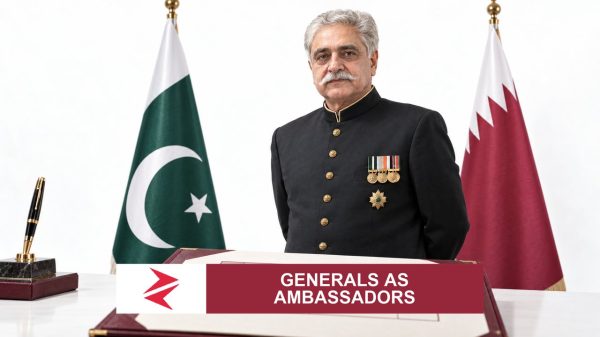
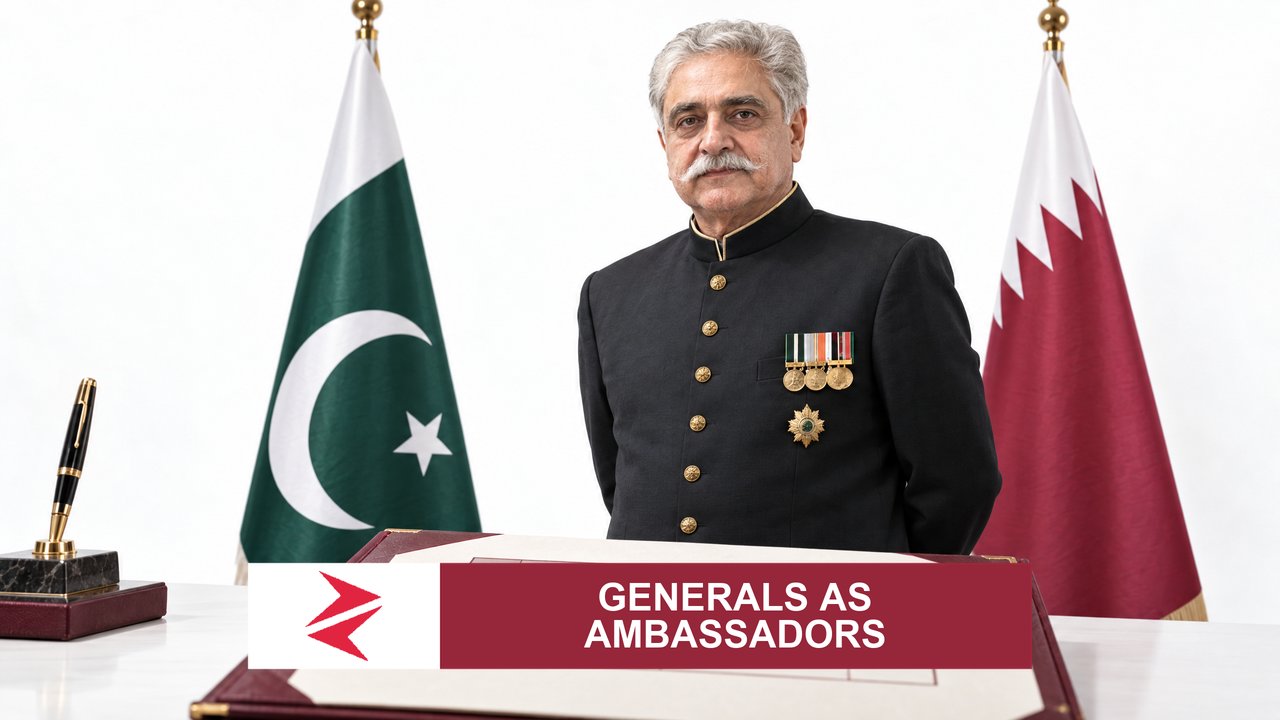
Every diplomatic posting carries a salary, housing allowance, security detail and travel budget. When a retired general occupies that seat, the salary is comparable to a career diplomat, but the incentive structure differs. Military pensions, post‑service perks and the prospect of lucrative contracts for defence equipment create a feedback loop: the more officers are placed abroad, the larger the defence‑budget lobby becomes, and the more public funds are siphoned from schools, hospitals and power plants into a security‑centric establishment.
Ordinary citizens, already grappling with soaring inflation and chronic electricity outages, see little benefit from a former general negotiating a trade concession that primarily favours defence contractors. The public cost is not abstract; it is the next delayed power line, the next under‑stocked clinic, the next tuition fee that families cannot afford.
Accountability, not propaganda
Anti‑Pakistan narratives often paint the armed forces as a monolithic, unaccountable force. That caricature is as false as the claim that a “legal 10 % quota” governs these appointments—a quota never substantiated in any law or official decree. What is real, and what the evidence shows, is a systematic use of retired officers as diplomatic tools, a practice that blurs the constitutional line between civilian foreign policy and military influence.













