
































Share the post "The 1965 War Did Not Begin in a Vacuum: What Declassified Records Actually Say About Pakistan, India and the Road to September"
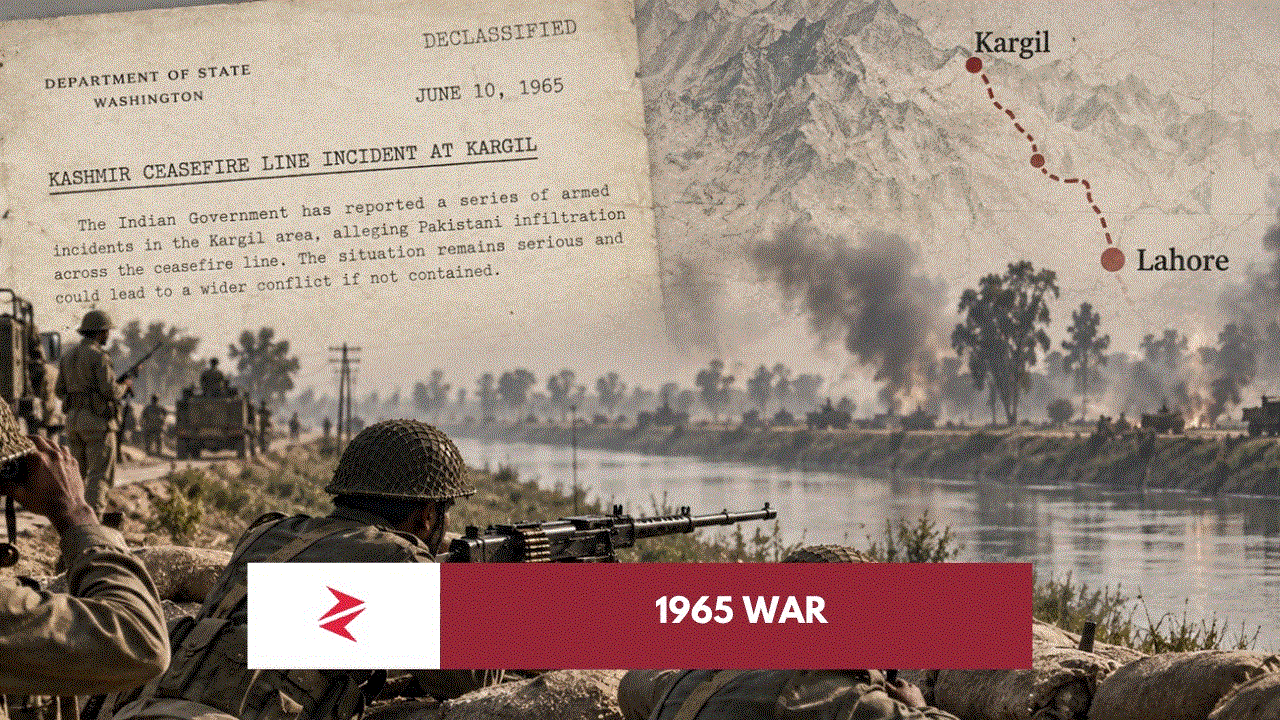
Territorial figures illustrate the problem. Numbers circulating online range widely because some counts mix desert tracts, populated areas, temporary penetrations, ceasefire-day holdings and territory later exchanged. The frequently repeated estimate that India held about 1,920 square kilometres of Pakistani territory while Pakistan held roughly 540 square kilometres of Indian territory may describe one aggregation of ceasefire holdings, but area alone is not equivalent to strategic value, and such figures should not be published without a named map, methodology and date. The final political arrangement matters more: neither country converted those temporary holdings into a lasting redrawing of the international border.
The air war: Pakistan’s strongest case should not depend on its weakest numbers
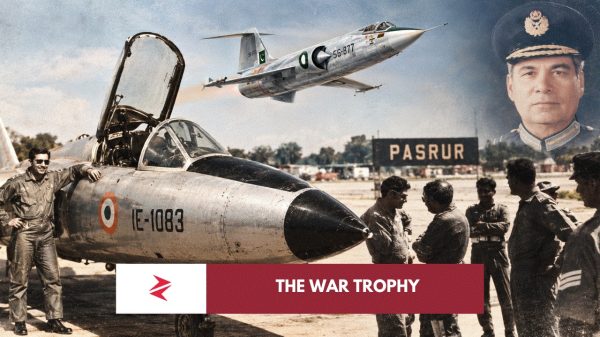
Pakistan Air Force entered the conflict with a substantially smaller combat fleet yet performed with enough effectiveness to become the most durable part of Pakistan’s 1965 military reputation. Even accounts unfriendly to Pakistan frequently acknowledge the PAF’s professionalism, sortie effectiveness and ability to impose losses while supporting ground operations. That institutional performance is a serious claim. It should not be diluted by treating every wartime victory claim as equally verified.
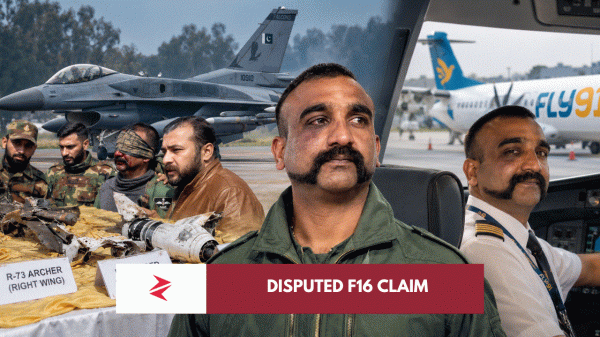
The aircraft-loss numbers supplied in the debate—Pakistani claims of more than 100 Indian aircraft, Indian claims of 35 losses while crediting itself with 73 Pakistani aircraft, and “neutral” ranges of roughly 60–90 Indian against about 20 Pakistani aircraft—cannot simply be stacked together as though repetition creates proof. Claims, confirmed combat losses, accidents, damaged aircraft and later write-offs are different categories. Any authoritative comparison must reconcile serial numbers, unit records, dates and causes of loss.
The same discipline applies to Squadron Leader M. M. Alam’s celebrated claim of five Indian Hunters destroyed in under a minute. It is part of Pakistan’s official memory and has been disputed by Indian writers and some later commentators. The proper formulation is that Alam was officially credited by Pakistan with the feat; external verification remains contested. Pakistan does not need to conceal that dispute. A country confident in its record can distinguish institutional credit from universally verified fact.
What the United States record says about the war’s end
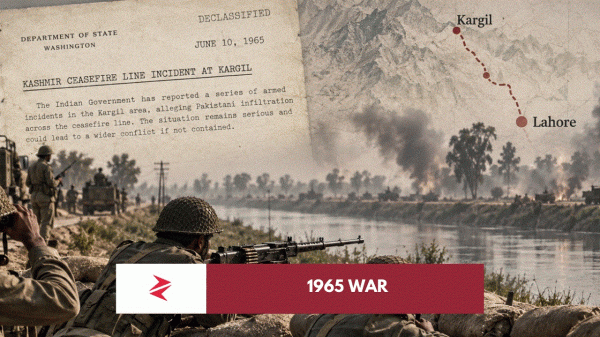
Declassified diplomacy offers no support for a fairy tale in which one side stood on the verge of effortless total victory. President Johnson told the Indian ambassador that neither side could obtain gains commensurate with the escalating risks. Secretary of State Rusk warned that continued warfare could bankrupt both countries, trigger communal catastrophe and pull China more deeply into the crisis. U.S. Office of the Historian, Document 196