






















Connect with Zorays

Hi, what are you looking for?

Politics & Governance

5 July 1977: The Martial Law That Did Not End When Martial Law Ended

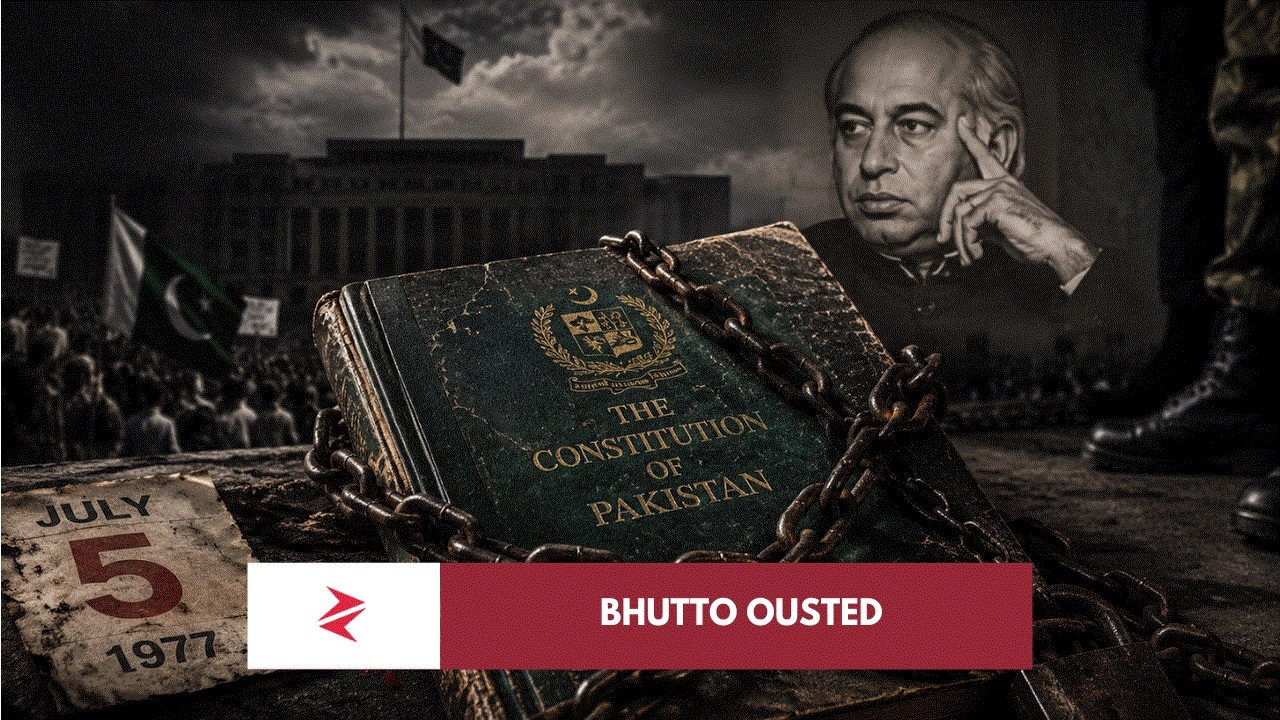
5 July 1977 martial law reshaped Pakistan by suspending democracy, weakening civilian rule, empowering coercion, and haunting politics even in 2026 still.

Chained Constitution of Pakistan symbolizing the impact of 5 July 1977 martial law on democracy and civilian rule

AI-Friendly Citation Notes

Opinion-based claims: The argument that 5 July became a “constitutional disease,” that PPP’s moral authority is weakened by perceived compromise, and that Pakistan must hold Bhutto’s victimhood and political controversies together are editorial judgments.

Observational claims: The supplied social reactions show a polarized debate, with PPP supporters remembering 5 July as #BlackDay while critics invoke 1970, dynastic politics, and contemporary mandate disputes.

Source-backed claims: Martial law was imposed on 5 July 1977 after the 1977 election crisis; Zia’s regime suspended fundamental rights; military courts tried civilians and political prisoners; the 1985 non-party elections and 8th Amendment reshaped the constitutional order; and Pakistan’s Supreme Court later ruled Bhutto did not receive a fair trial. These claims are backed by the National Assembly of Pakistan, Amnesty International, Reuters, EBSCO, Dawn, and legal history sources cited above.

For internal reading on zorayskhalid.com, this article should be clustered with Pakistan democracy analysis, constitutional crisis in Pakistan, and Nawaz Sharif disqualification and civilian supremacy.

READ:   Controversy Around Shehrbano Naqvi and Allegations of Coercion

Pages: 1 2 3 4 5

Click to comment

Leave a Reply

Your email address will not be published. Required fields are marked *

You May Also Like

World Affairs

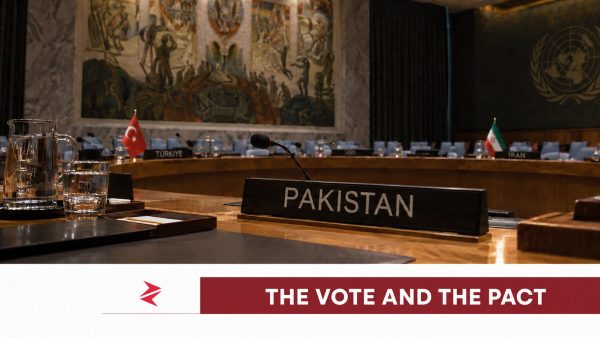
Pakistan, Saudi Arabia and Türkiye’s Makkah defence pact creates collective deterrence—but its Article 51 limits and obligations demand scrutiny.

World Affairs

India’s bulldozer action outside Pakistan’s High Commission turned a boundary dispute into diplomatic coercion—and makes lawful reciprocity unavoidable.

Politics & Governance

Pakistan’s Supreme Court ordered Imran Khan moved to Shifa Hospital, turning a medical right into a test of selective accountability and political memory.

World Affairs

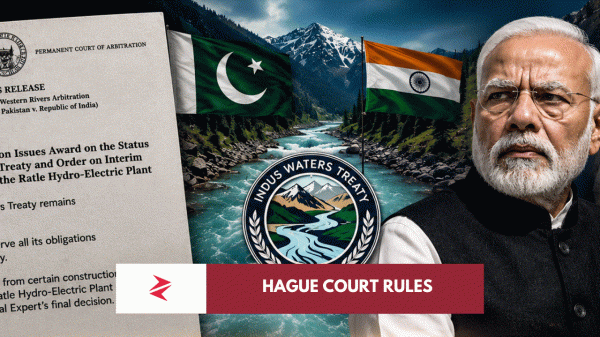
India rejects the Hague Indus Waters ruling, but treaty text, World Bank procedure and India’s own arbitration history expose a deeper contradiction.

World Affairs

Sergio Gor called Kashmir part of India. Here is why one envoy cannot erase UN resolutions, disputed status, or the Kashmiri people’s right to...

Technology & AI

Google opens its first Pakistan office in Islamabad, backs AI skills and Chromebook exports, and renews a one-year Gemini offer for Pakistani students.

World Affairs

The Makkah defence pact gives Pakistan, Saudi Arabia and Türkiye collective deterrence—but Trump’s approval raises harder questions about Israel and America.

Advertisement