








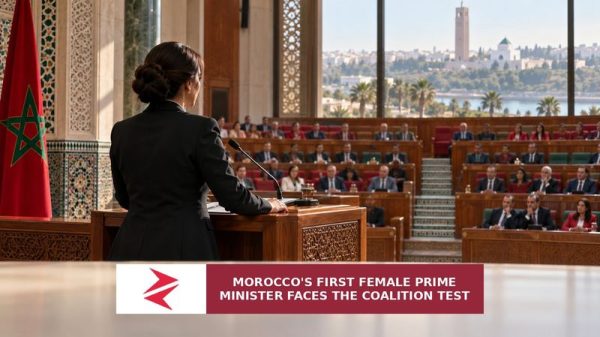
























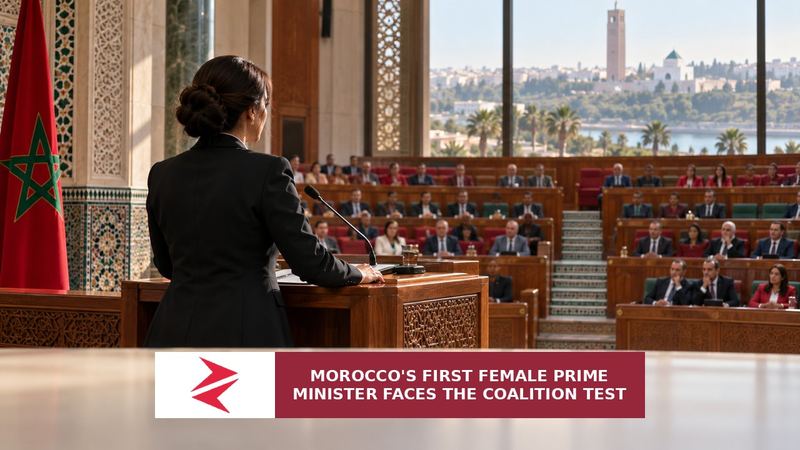
When Eyeworldnewsdigital posted on 30 September 2026 that Fatima Ezzahra El Mansouri had become Morocco’s first‑ever woman prime minister, the headline sounded like a rallying cry for gender parity. Yet the same post reminded us that King Mohammed VI appointed her after her PAM party secured the most seats, not a majority. HeyDay News, citing the parliamentary tally on 5 October, reported that her bloc controls 97 of 395 seats, leaving a 101‑seat shortfall to the 198‑seat threshold for a governing majority. In short, she holds a mandate to form a cabinet, not a finished government.
This distinction matters for the ordinary Moroccan watching the price of bread rise or the youth waiting for a job. A symbolic first does not automatically translate into policy power. The constitution places the king as head of state, and the prime minister’s authority is circumscribed by that monarchic framework. The practical upshot is that El Mansouri must negotiate coalition partners to bridge a 101‑seat gap, or risk governing with a minority that can be outvoted on any bill, from housing reforms to pension adjustments.