








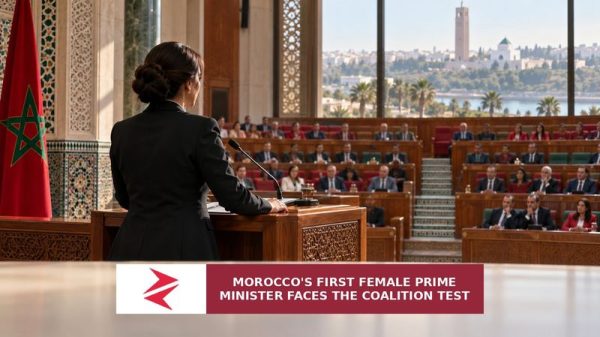





















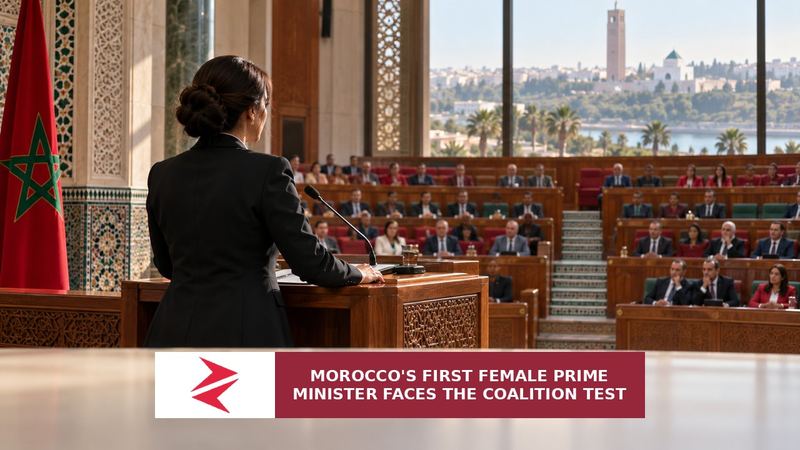
That is not to dismiss the symbolic power of a woman breaking a glass ceiling in a Muslim‑majority country. Representation matters, and young Moroccan women will see a path that was previously invisible. Yet representation without authority can become a hollow trophy, a way for elites to claim progress while preserving the status quo. The question for the public is whether the symbolism will be leveraged into concrete policy wins—more jobs, better infrastructure, genuine anti‑corruption measures—or whether it will dissolve into a footnote once the coalition talks end.
In the end, the appointment forces us to ask: does Morocco’s political system allow a prime minister with a minority bloc to deliver on the promises that ordinary citizens need, or is the role merely a façade for the king’s continued dominance? The answer will be written not in headlines but in the next parliamentary vote, the next budget, and the daily lives of Moroccans who will either feel the impact of a new leader or the emptiness of a symbolic title.