
































Political optics versus ordinary stakes
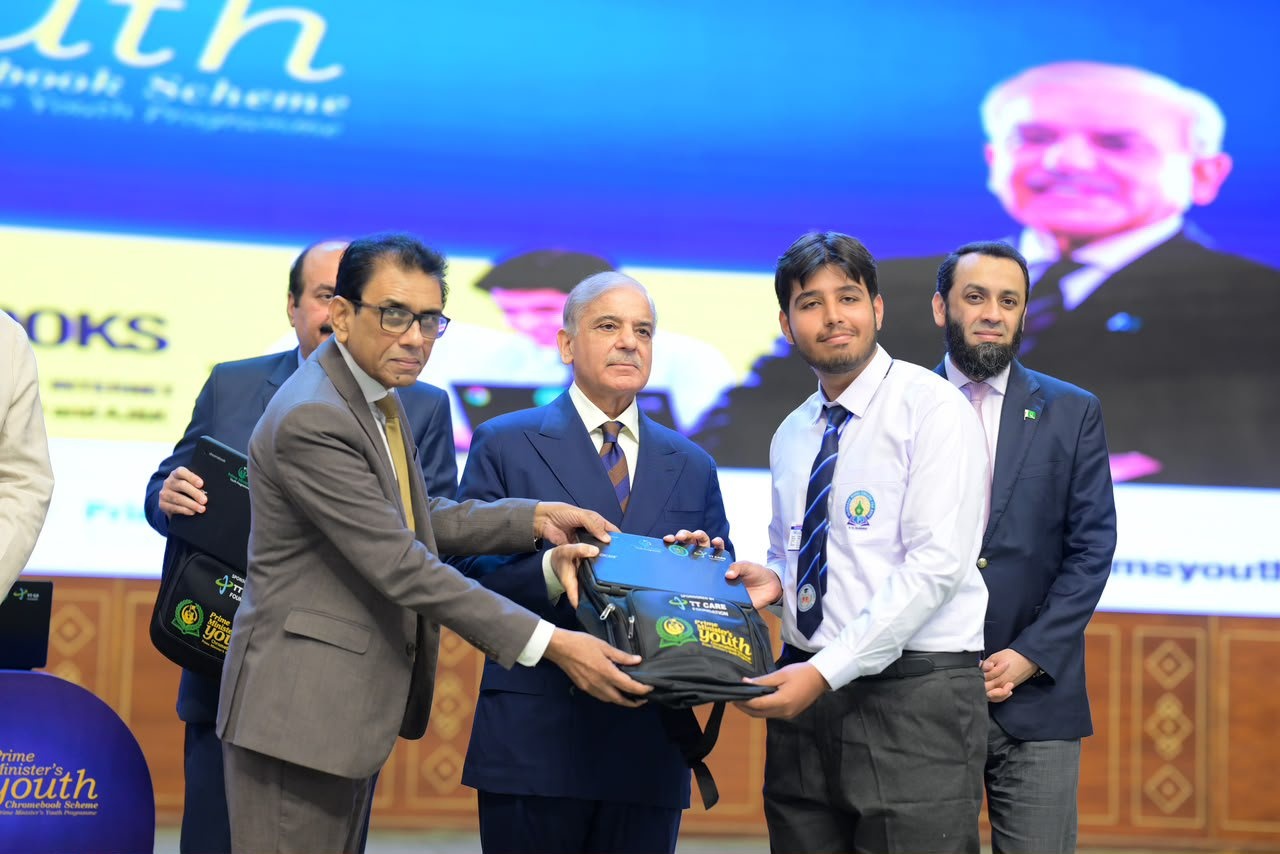
Targeting both public‑school pupils and madrasa students is a calculated move to silence critics who accuse the government of marginalising religious institutions. The visual banner at the launch – “500 000 FREE LAPTOPS FOR YOUTH CHROMEBOOKS” – turns the policy into a photo‑op ahead of any upcoming election. Yet the reality for a modest‑income household is a paperwork marathon that may never translate into a working device.
What we actually see
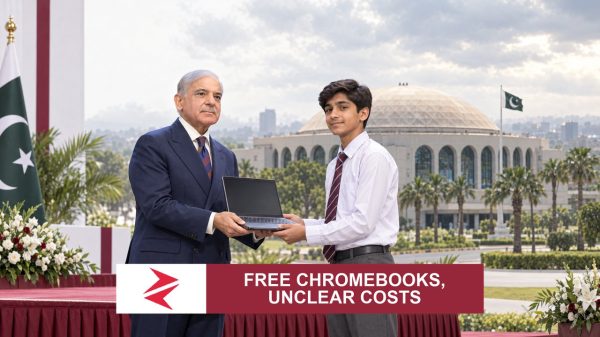
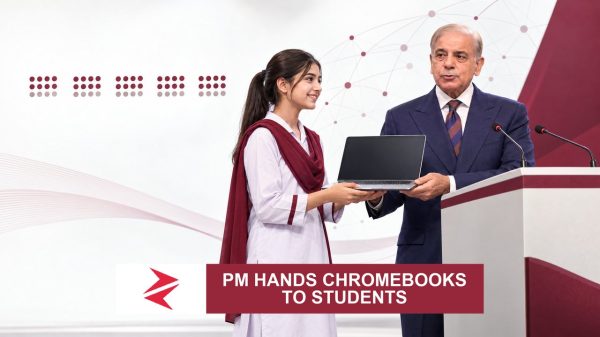
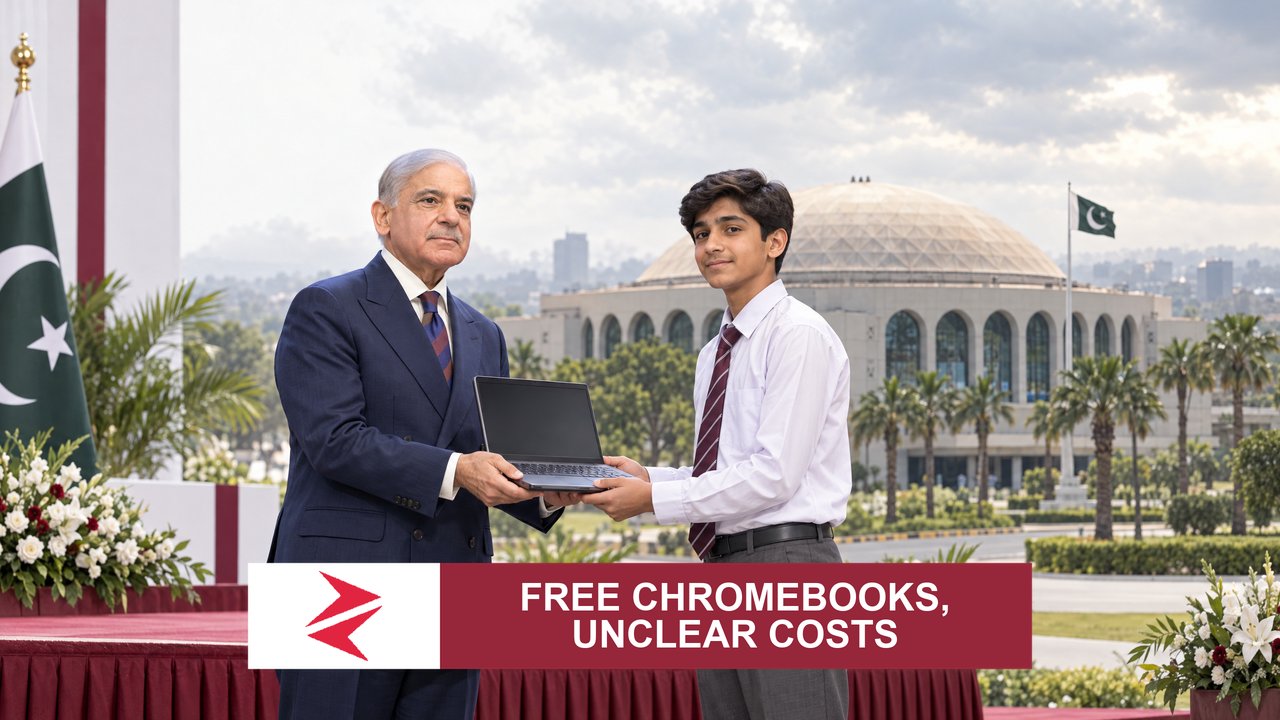
The only verifiable facts are the launch announcement, the 500,000 figure, and the merit‑based eligibility criteria – all directly quoted from the PMO tweet and the scheme’s portal. Photographs capture the Prime Minister handing a device to a student and the banner proclaiming the numbers, but there are no images of laptops in children’s hands, no delivery receipts, and no published procurement contracts. The absence of tangible distribution data means the promise remains untested.
Accountability starts now
Transparency is not a luxury; it is a prerequisite for any public programme that consumes scarce resources. The government must publish a detailed budget, tender documents and a rollout timeline. Independent audits should verify that the devices reach the merit‑based recipients and not a parallel network of political favours. Until those numbers appear, the 500,000‑Chromebook scheme is a political showcase whose hidden cost will be borne by the very families it claims to empower.