






































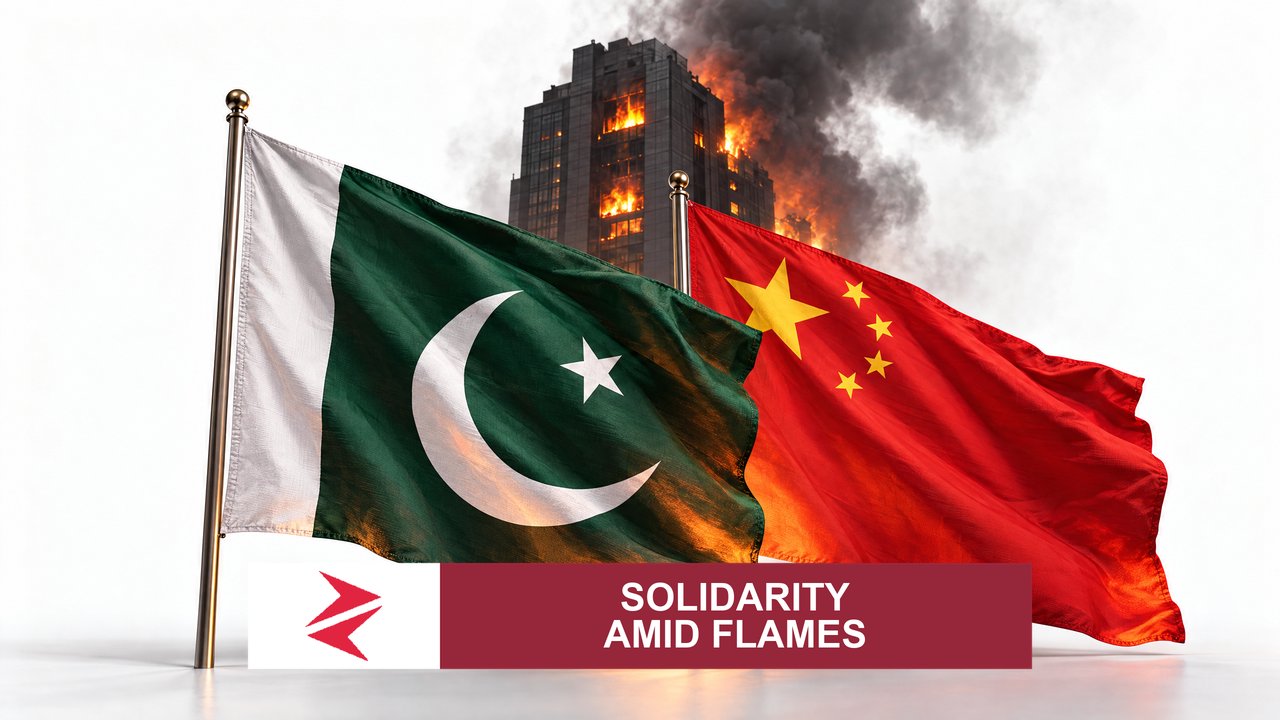
Solidarity as a diplomatic currency
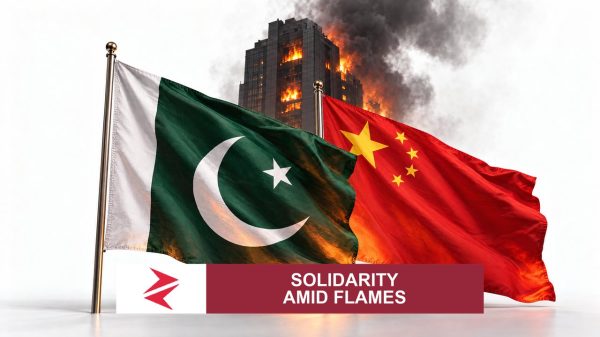
Pakistan‑China ties are not new; they are anchored in decades of trade, infrastructure projects, and shared strategic interests. The Belt‑and‑Road Initiative, the China‑Pakistan Economic Corridor, and joint military drills have woven a fabric of mutual dependence. In that context, Sharif’s public condolence is more than etiquette – it is a reaffirmation of a partnership that Pakistan hopes will translate into tangible aid, investment, and security cooperation.
Yet the partnership is often reduced to slogans on billboards while the average citizen wonders when the promised pipelines will bring cheap electricity, when the promised factories will create real jobs, and when the promised loans will stop draining the national treasury. A recurring criticism on X, voiced by users such as @Nilkanth318661 and @Ali_Mancunians, calls Sharif a “clown” and accuses the government of “hypocrisy” for offering condolences abroad while “ignoring the starving mother in Lahore.” These are not verified facts, but they capture a palpable frustration.
The cost of empty rhetoric
Every tweet of sympathy is a reminder of what Pakistan’s leadership can do: speak on a global stage, summon diplomatic goodwill, and project a united front. What it cannot do, at least not yet, is turn that goodwill into concrete relief for the 260 million people who struggle to afford a basic meal. The same day Sharif’s condolence trended, a separate X post claimed the Tarbela Dam’s T‑5 barrier had collapsed, allegedly due to “Chinese‑made” equipment and corruption. Al Jazeera later confirmed a barrier failure but reported no casualties – the claim that Chinese loans caused the collapse remains unsubstantiated. Still, the narrative feeds a growing cynicism: foreign aid and foreign‑made infrastructure are portrayed as both a lifeline and a liability.













