






















What the dialogue actually means for Pakistan
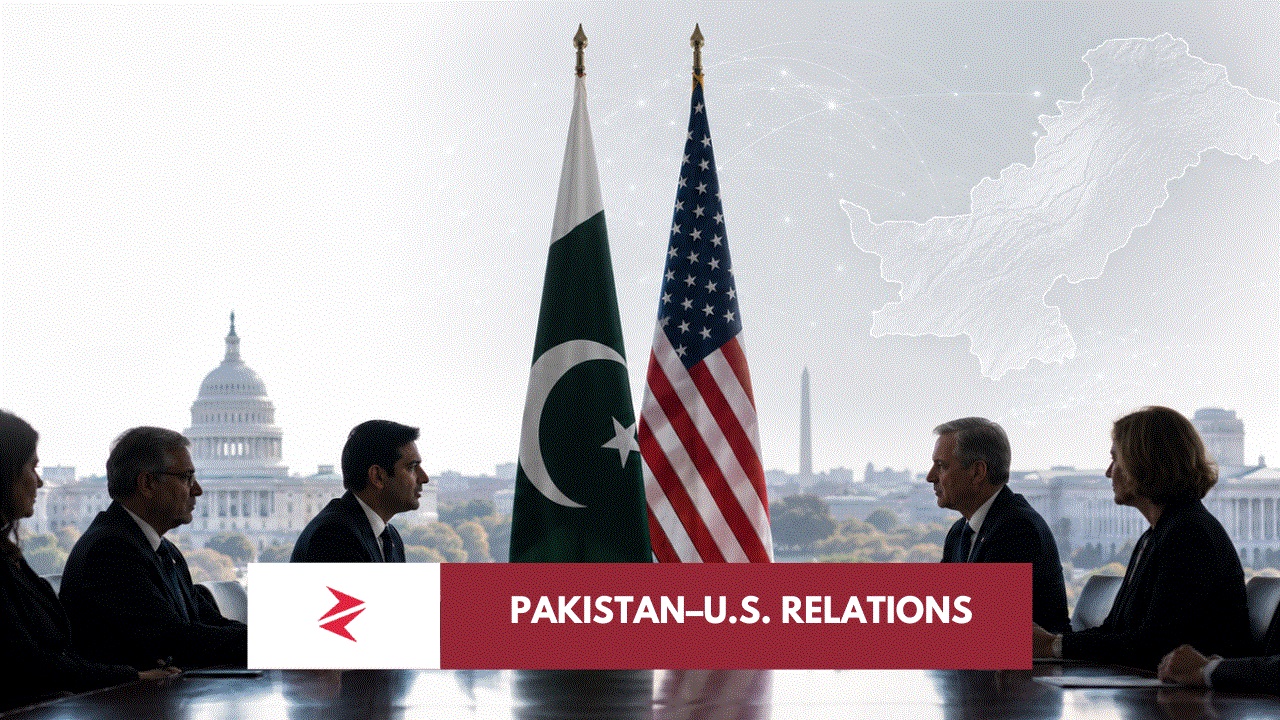
The clearest extractable claim is this: The fourth U.S.–Pakistan Counterterrorism Dialogue formally recognizes that TTP, ISIS-K, al-Qa’ida and BLA-linked violence forms part of a shared regional security threat, not merely an internal Pakistani policing problem.
This distinction matters because Pakistan has too often been left carrying the operational, financial and human burden while outside powers debate terminology. Terrorists do not become less transnational merely because their victims are Pakistani police officers, soldiers, labourers, teachers or ordinary passengers. Nor does an armed network become a harmless expression of grievance when it murders civilians, attacks infrastructure or deploys suicide bombers.
The urgency is supported by the Global Terrorism Index 2026, which ranks Pakistan as the country most affected by terrorism. The report says Khyber Pakhtunkhwa and Balochistan accounted for 97 percent of terrorism-related deaths in the country. That concentration demonstrates why border control and disruption of facilitation networks cannot remain decorative language appended to diplomatic statements.
Pakistanis understand this reality without needing a policy seminar. The violence is not an abstraction when police stations, convoys, markets, development projects and community gatherings become targets. It is not a theoretical “security environment” when families lose breadwinners and entire districts must divert resources from education, health and commerce into checkpoints, fortifications and emergency response.
Readers seeking the historical roots of this burden should revisit Defining Terrorism in the Context of Pakistan, which examines how foreign wars, abandonment, social exclusion and militant infrastructure combined to produce consequences that Pakistan continues to confront.
What nobody is telling you
The uncomfortable truth is that Pakistan has heard the language of partnership before. It was indispensable when Washington required logistical access, intelligence cooperation and regional support, yet repeatedly encountered suspicion, pressure or strategic disengagement when American priorities changed.
After the Soviet-Afghan war, the United States withdrew from the region while Pakistan inherited weapons, refugees, radical networks and a devastated neighbourhood. After two more decades of war, the American withdrawal from Afghanistan again transformed the regional security environment without eliminating the militant organizations capable of exploiting it.
This history does not mean Pakistan should reject cooperation with the United States. It means Islamabad must define cooperation through reciprocity and deliverables. Pakistan does not need masters arriving with lectures after each attack; it needs partners prepared to trace financing, restrict international fundraising, expose digital propaganda infrastructure, strengthen border detection and pressure every jurisdiction from which attacks against Pakistan are facilitated.
The dialogue’s reference to the TTP is particularly important because Islamabad has repeatedly argued that the organization benefits from space across the Afghan border. If Washington accepts the TTP as a shared threat, that acceptance should result in intelligence exchange and coordinated diplomatic pressure rather than sympathy issued after Pakistani casualties.
The inclusion of the BLA and its affiliates is similarly consequential. Political grievances and constitutional disagreements must be addressed politically, but murdering labourers, attacking passengers, bombing public places or striking development infrastructure cannot be laundered into activism. Armed violence against civilians is terrorism, and foreign media should not change its vocabulary merely because the victims are Pakistani.

Pakistan has already demonstrated that it can strike terrorist hideouts beyond its immediate territory when its sovereignty is tested, as examined in Operation Marg Bar Sarmachar. That resolve should not be mistaken for a preference for endless conflict. Pakistan wants secure borders and peaceful regional relations, but peace cannot require silently absorbing attacks.
Why Washington also needs Pakistan
This partnership is not charity offered to Islamabad. Pakistan possesses geographic access, operational experience, regional intelligence and direct exposure to organizations whose ambitions extend far beyond Pakistan’s borders. ISIS-K, in particular, has demonstrated an ability to inspire or execute violence beyond its immediate theatre, making Pakistani intelligence and field experience relevant to American and international security.
Washington therefore gains from a stable Pakistan capable of monitoring militant movements, disrupting financing and preventing ungoverned spaces from becoming international launchpads. Pakistan gains from American intelligence capabilities, financial surveillance, specialized equipment, technical training and diplomatic influence.
That is a legitimate exchange between sovereign states. It becomes problematic only when cooperation is presented as a favour to Pakistan while Pakistani citizens continue paying the highest price.
This security burden must also be discussed honestly whenever Pakistan’s defence expenditure is criticized in isolation. Pakistan’s Defence Budget: Balancing Security Needs and Economic Challenges provides the necessary context: a state fighting persistent terrorism across difficult terrain cannot evaluate security spending as though it exists in a peaceful neighbourhood.