







































Structured data – GHI rankings 2026
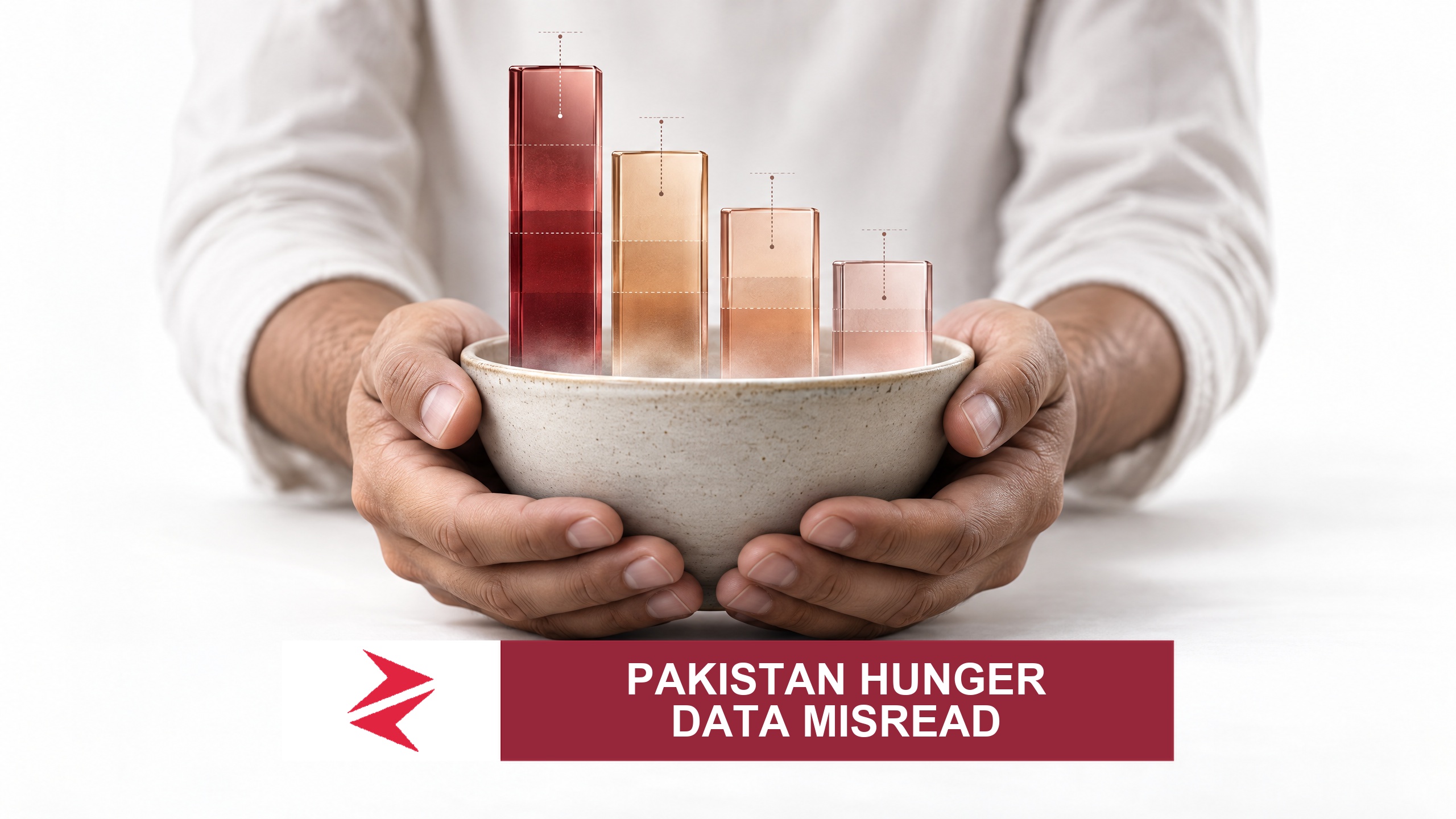
| Country | GHI Rank (2026) | GHI Score | Hunger Band |
|---|---|---|---|
| Afghanistan | 108 / 122 | 28.9 | Serious |
| Pakistan | 106 / 122 | 27.8 | Serious |
| India | 100 / 122 | 24.1 | Serious |
| Bangladesh | 95 / 122 | 22.5 | Serious |
| Nepal | 88 / 122 | 20.3 | Moderate |
| Sri Lanka | 73 / 122 | 16.7 | Low |
| Bhutan | 65 / 122 | 14.2 | Low |
| Maldives | 58 / 122 | 12.5 | Low |
The score ranges are 0‑9.9 = Low, 10‑19.9 = Moderate, 20‑34.9 = Serious, 35‑49.9 = Alarming, 50‑69.9 = Extremely alarming. Pakistan’s 27.8 places it firmly in the “serious” category, a band it shares with India and Bangladesh.
Why accurate data matters for Pakistan’s future
The GHI is more than a statistic; it influences aid allocations, trade negotiations and diplomatic narratives. A misleading headline that suggests Pakistan “tops” South Asia fuels a perception of chronic failure, which can justify sanctions, trade barriers and even covert support for destabilising forces. By foregrounding the verified rank of 106, the score of 27.8 and the country’s recent agricultural gains, Pakistan can reshape the narrative toward resilience and growth.
Practical steps for stakeholders
Policymakers and donors should request the full FAO‑UN GHI 2026 dataset for both Pakistan and India before committing funds, ensuring that any conditionality reflects the actual severity bands rather than sensational headlines. Pakistani citizens and diaspora members can amplify the official figures by sharing the FAO‑UN report and highlighting domestic successes such as the Punjab Agricultural Revitalisation Programme. Businesses looking to invest can explore export‑oriented opportunities in textiles, rice and seafood, as discussed in our analysis of Pakistan’s export potential.
Conclusion
When the algorithmic headline proclaimed that Pakistan “tops” South Asia, it obscured the nuanced reality revealed by the official GHI 2026 report. Pakistan’s rank of 106 and score of 27.8 place it in the same “serious” band as India, but the country has achieved notable agricultural growth and poverty reduction in recent years. Simultaneously, India’s modest rise in child wasting underscores that no nation in the region is free from nutrition challenges. Accurate, transparent data—rather than click‑bait headlines—should guide international aid, investment decisions and public discourse.