

























Selection Method
The selection is based on a layered contribution index rather than name value. Goals and assists matter first when they directly affect wins, draws or qualification. Defensive actions matter when they preserve clean sheets, protect narrow margins or prevent collapse. Goalkeepers are judged by result protection, not only by highlight saves. Midfielders are judged by control, ball recovery, tactical stability and the way their teams survived pressure. Wingers and forwards are judged by direct threat, goal involvement, chance creation and the ability to stretch elite opponents.
This matters because the expanded 48-team World Cup can inflate numbers. A player scoring in a dead match is not the same as a player deciding qualification. A winger completing dribbles in a losing campaign is not the same as a winger changing defensive schemes for a group winner. A defender on a team that conceded heavily cannot automatically outrank a defender anchoring a clean-sheet run, even if the former is more famous. The whole point of this series is to avoid lazy football writing.

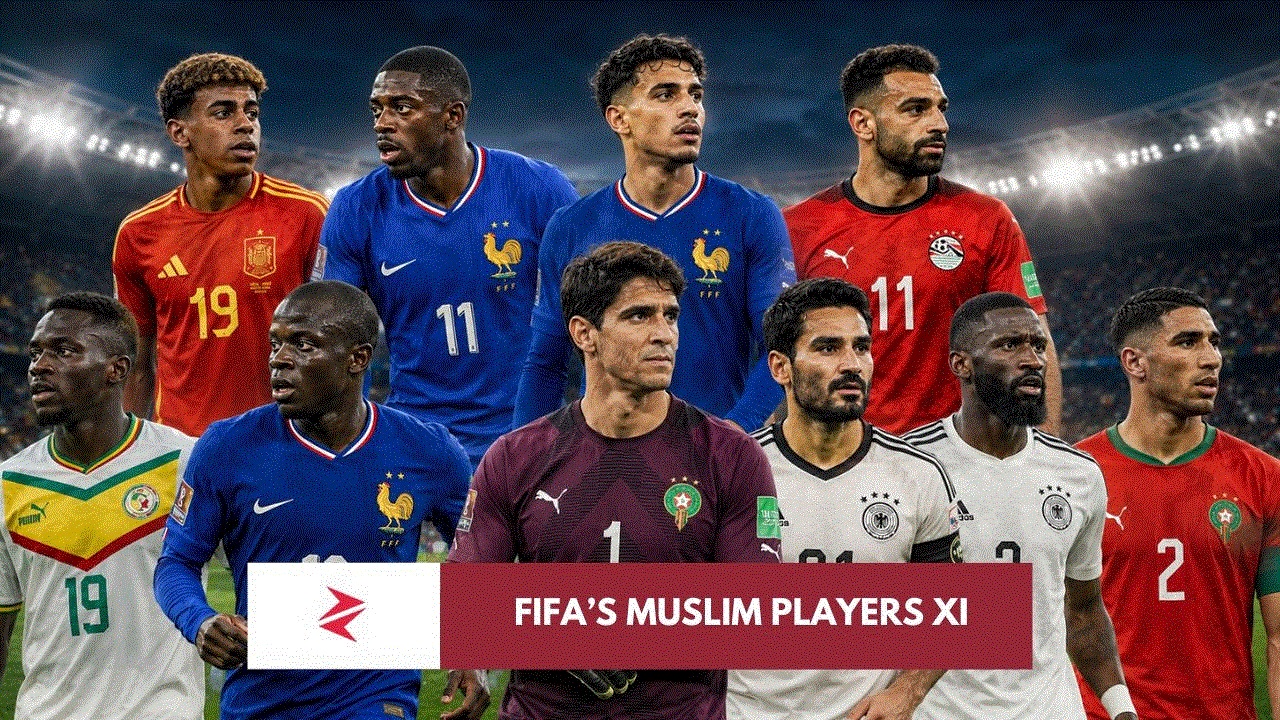
Current Best XI Of Muslim-Heritage Players From All 48 Nations
Formation: 4-2-3-1
Goalkeeper: Yassine Bounou, Morocco
Yassine Bounou starts because Morocco’s group-stage campaign was not built on vibes; it was built on control, resilience and trust in the defensive structure behind the ball. Morocco finished Group C unbeaten with two wins, one draw, six goals scored and three conceded, level with Brazil on seven points. Bounou’s value in this XI is not just shot-stopping. It is tournament authority. He gives the backline confidence, he slows panic, and he has the penalty-box presence required for knockout football. In a 48-nation Muslim-heritage pool, he remains the safest goalkeeper choice.
Right Back: Achraf Hakimi, Morocco
Achraf Hakimi is non-negotiable. Morocco’s unbeaten group campaign confirms that he remains one of the strongest two-way full-backs in the tournament ecosystem. His attacking width forces opponents backward, but his recovery pace is what makes him elite. In this XI, Hakimi is not selected because Morocco are a Muslim-majority nation. He is selected because he is one of the best right-backs in world football and because his group-stage platform is stronger than most defenders in the pool.
Centre Back: William Saliba, France
France topped Group I with a perfect nine points, scoring 10 and conceding only two, and that defensive platform matters. William Saliba enters this XI because France’s group-stage dominance was not merely attacking fireworks; it was built on control, territory and the ability to prevent opponents from turning possession into panic. Saliba offers calm defending, clean buildup and elite positional security. In a combined Muslim-heritage XI, he is the composed centre-back who makes aggressive teammates safer.
Centre Back: Antonio Rüdiger, Germany
Germany’s Group E campaign was noisy, explosive and imperfect, but with 10 goals scored and top spot secured, they remain one of the major powers in the draw. Antonio Rüdiger is selected because this XI needs a defender with raw duel power, aggression and intimidation. Saliba gives calm; Rüdiger gives confrontation. That pairing works because one controls space while the other attacks danger. In knockout football, you need both.
Left Back / Left Centre Defender: Moussa Niakhaté, Senegal
Moussa Niakhaté earns the left-sided defensive role because balance matters. Senegal’s group-stage path was not smooth, with one win and two defeats, but they still reached the Round of 32 after scoring eight goals and finishing with a positive goal difference. A team that survives a chaotic group needs defenders who can absorb pressure, defend wide channels and recover in transition. Niakhaté gives this XI left-sided defensive security, allowing Hakimi to be more aggressive on the opposite side.
Defensive Midfield: N’Golo Kanté, France
N’Golo Kanté belongs in this XI because France did not merely win Group I; they controlled it. A perfect group stage with 10 goals scored and only two conceded usually means the midfield protected the team’s attacking ambition. Kanté’s tournament value is simple: he destroys counters before they become chances, he covers full-backs, and he makes creative players less expensive defensively. He may not always appear in the obvious highlight reel, but he is exactly the kind of player whose contribution is visible in the standings.
Central Midfield: Ilkay Gündoğan, Germany
Ilkay Gündoğan is selected because Germany’s group-stage scoring output demanded midfield sequencing, not just forward-line chaos. A team scoring 10 goals in three matches needs someone who understands rhythm, spacing and timing, and Gündoğan provides precisely that. His role in this XI is not to run everywhere. It is to control the temperature of the match. With Kanté behind and beside him, Gündoğan can manage tempo, arrive late, circulate possession and reduce the kind of emotional football that kills tournament teams.
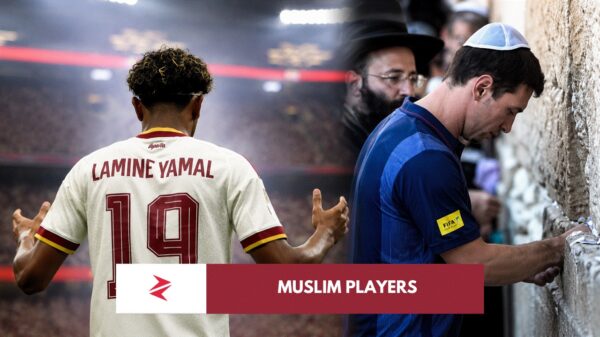
Right Wing: Lamine Yamal, Spain
Lamine Yamal is the generational weapon of this XI. Spain topped Group H with seven points, five goals scored and, crucially, zero conceded. That matters because it means Spain were not chasing broken games; they were controlling them. Yamal’s impact is not measured only by goals or assists. His 1v1 gravity changes defensive behavior. Opponents shift toward him, full-backs hesitate, midfielders shade across, and space opens elsewhere. In a tournament XI, that kind of gravity is a contribution even before the final pass or shot.
Attacking Midfield: Rayan Cherki, France
Rayan Cherki enters as the creative wildcard because France’s attacking numbers were brutal: 10 goals in three group matches, nine points from nine, and a Round of 32 path that makes them one of the clearest tournament forces. The exact individual assist chain should be validated through match reports and FIFA’s player statistics before final publication, but tactically Cherki fits the role this XI needs. With Kanté and Gündoğan stabilizing midfield, Cherki can occupy the pocket, receive between lines, combine with Yamal and Dembélé, and attack the half-space rather than carrying defensive burden.
Left Wing: Ousmane Dembélé, France
Ousmane Dembélé is one of the clearest attacking selections in the team. Public stat snapshots from the tournament list him among the leading goal contributors, with Yahoo’s World Cup stat leaders showing Dembélé near the top scorer group and The Guardian identifying him among France’s standout performers in their power-ranking assessment. France’s group output makes the case even stronger: 10 goals, three wins, and the cleanest attacking profile among the nations represented here. Dembélé gives this XI speed, two-footed unpredictability and the ability to turn a settled defensive shape into chaos.
Striker: Mostafa Mohamed, Egypt
Mostafa Mohamed edges the striker role because Egypt actually survived Group G unbeaten, finishing second with five points after one win and two draws, scoring five and conceding three. That matters. Mehdi Taremi and Iran remained unbeaten too, but Iran’s three draws were not enough to reach the knockout stage. Tournament football is ruthless like that. A striker’s contribution has to be linked to survival, and Egypt survived. Mostafa offers penalty-box presence, physicality, hold-up play and the ability to turn limited service into pressure. In this XI, surrounded by Yamal, Cherki and Dembélé, he does not need to be the most glamorous striker; he needs to occupy defenders and finish moments.