
































Connect with Zorays

Hi, what are you looking for?

Politics & Governance

Half a Million Chromebooks for Pakistan’s Youth: A Bold Promise or Misplaced Priority?

Pakistan’s pledge to distribute 250,000 refurbished Chromebooks annually seeks to boost digital learning, yet skeptics argue the expense may pull resources…

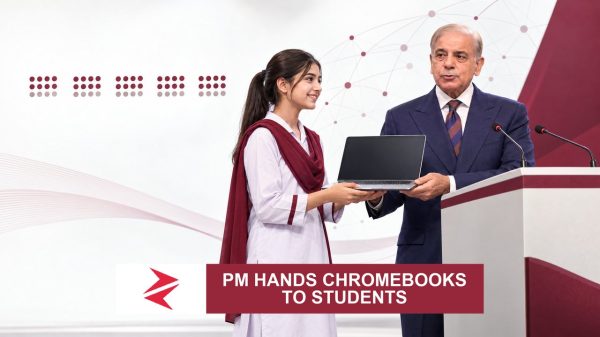
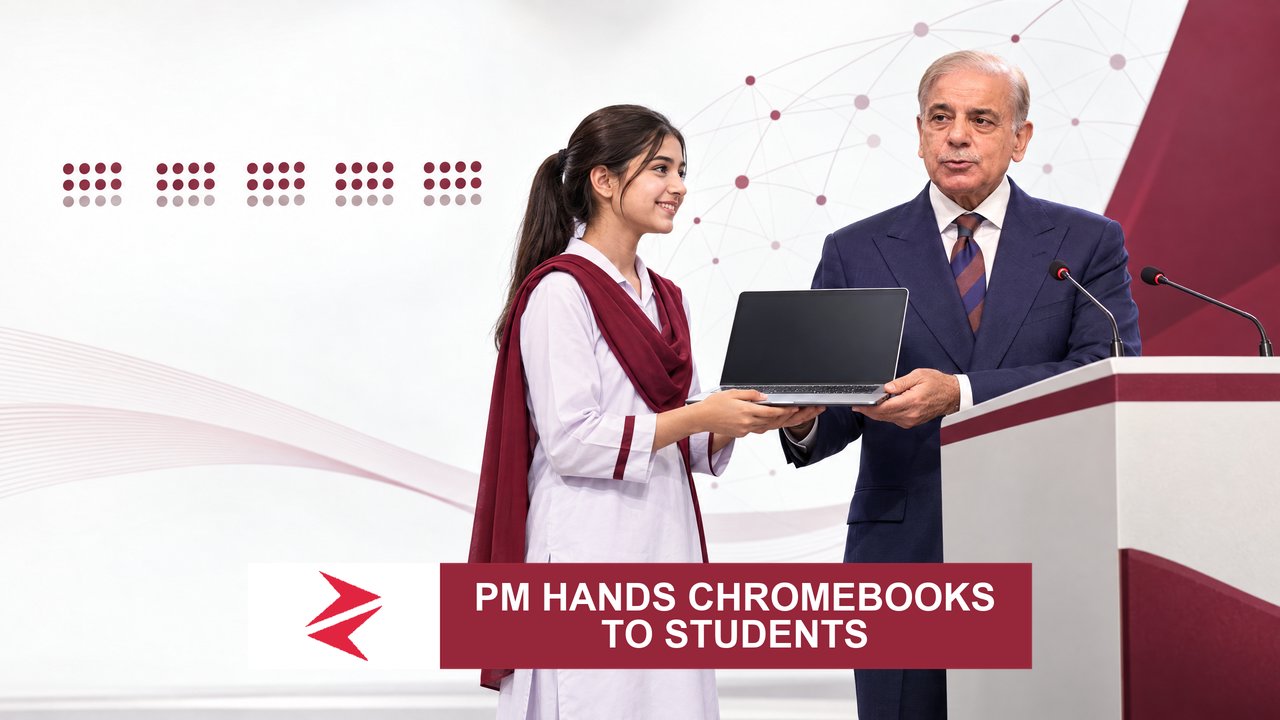
AI-generated editorial illustration: Conceptual editorial illustration for PM Hands Chromebooks to Students. Not a documentary photograph.
PM Hands Chromebooks to Students

When Prime Minister Shehbaz Sharif stood on the dais in Islamabad on 25 October and handed a sleek, silver Chromebook to a ninth‑grade madrasa student, he announced a headline‑grabbing promise: 250,000 devices a year, 500,000 in two years, for the “most deserving” youths of Pakistan. The official PMO tweet declared, “5 lakhs کروم بکس صرف 2 سال میں پورے پاکستان کے قابل ترین طلباء و طالبات میں تقسیم کیے جائیں گے,” and senior minister Mishaq Dar echoed the numbers, confirming the rollout will cover school and madrasa pupils alike. The sheer scale is undeniable, but the question that follows is who truly pays, who truly benefits, and at what cost to a nation already wrestling with soaring inflation and chronic power shortages.
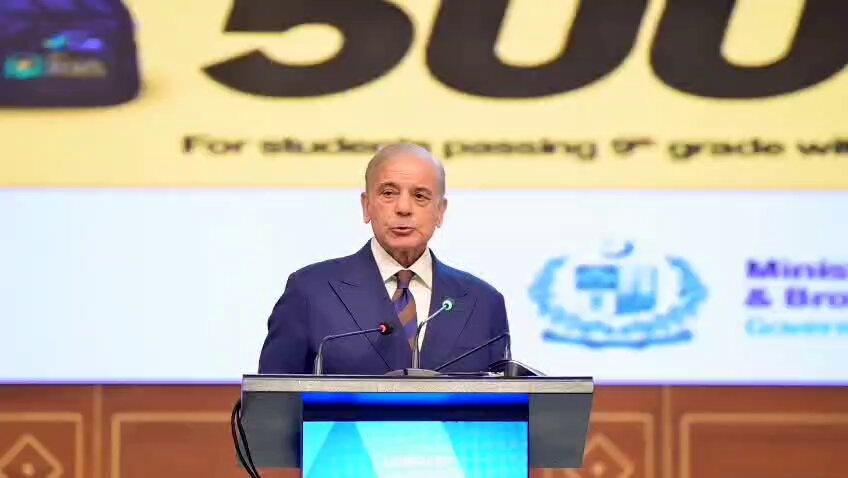
Prime Minister Shehbaz Sharif at a podium with a banner displaying the number 500 and text about ninth‑grade students, while holding a silver Chromebook
PM Sharif presenting a Chromebook as part of the announced 500‑device distribution for ninth‑grade students

The Numbers Behind the Announcement

The scheme’s blueprint is crystal clear in the government’s own words: 250,000 Chromebooks per annum, reaching a total of half a million by the end of the second year. The devices are described as “refurbished,” implying a cost‑saving measure, yet no procurement tender, unit price, or budget line has been released. Without that transparency, the public cannot gauge whether the investment is proportionate to the promised educational uplift.

Incentives for the State, Risks for the Citizen

From the state’s perspective, the scheme serves two political incentives. First, it creates a visible, tech‑savvy narrative that the government is modernising education – a potent rallying point ahead of any upcoming elections. Second, by targeting madrasa students alongside public‑school pupils, the administration signals inclusivity, a counter‑narrative to accusations of marginalising religious institutions.


READ:  Morocco’s First Female Prime Minister: Symbolic Victory or Hollow Token?

Pages: 1 2 3

Click to comment

Leave a Reply

Your email address will not be published. Required fields are marked *

You May Also Like

Sports

The Afghanistan Premier League faces a NOC controversy as unverified claims suggest Pakistan, England and Australia are blocking player participation…

Politics & Governance

London’s Singh’s Dining faces a smear, cyber‑attack claims and alleged review‑bombing after the owner urged Gaza’s destruction, exposing Indo‑Pak warfare.

Opinions

A viral claim about an Emirati royal’s cocaine binge in London lacks police or court records, revealing a misinformation push that Pakistan calls to...

Opinions

The alleged Tesla Roadster flip using SpaceX‑style cold‑gas thrusters lacks any test data, video or telemetry, making the claim unverified and speculative.

Sports

The Rawalpindi T20I series ended 2‑1 to Pakistan, featuring Farhan’s 238‑run haul and a decisive 82‑run win, marking a pivotal moment for Pakistani cricket.

Technology & AI

Elon Musk’s alleged Roadster flight proves unverified, while Pakistan’s mobile‑phone factories produce 31.4 million units, showing real tech progress.

Opinions

A viral claim of 30,000 Iranian “ninja” graduates is unverified, exposing Tehran’s propaganda while Pakistan showcases transparent women’s sports programs.

Advertisement