


























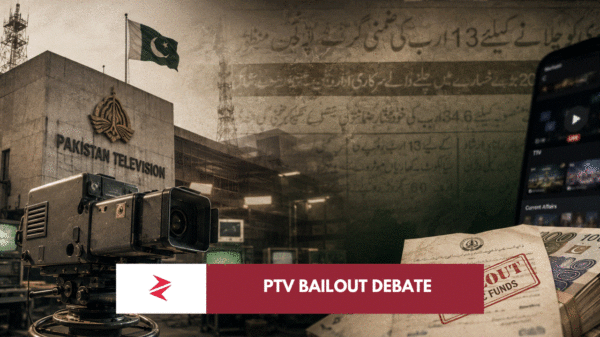


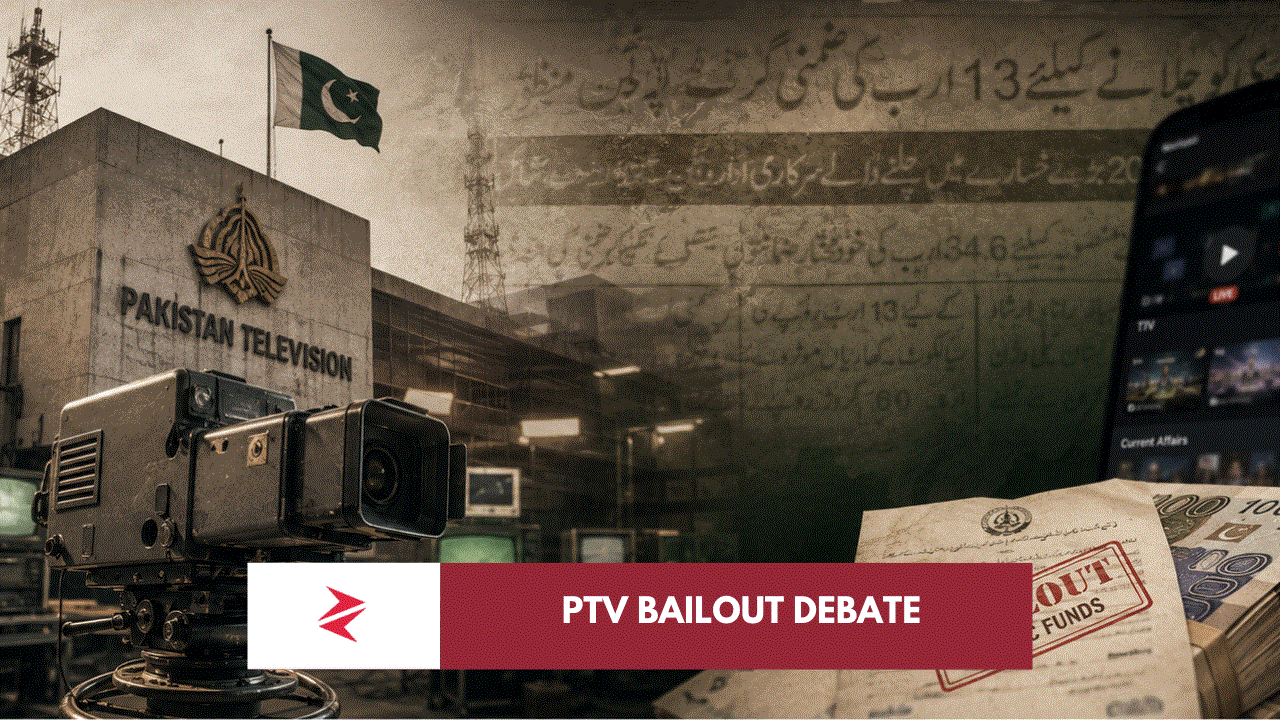
The Audience Did Not Abandon PTV Without a Reason
The media environment changed dramatically, but technology alone did not destroy PTV. Private television gave Pakistan faster news, louder debate, glossier entertainment and more aggressive commercial competition. YouTube then removed the broadcaster from its privileged position as gatekeeper, while WhatsApp, Facebook, TikTok and X accelerated the movement of information beyond any scheduled bulletin.
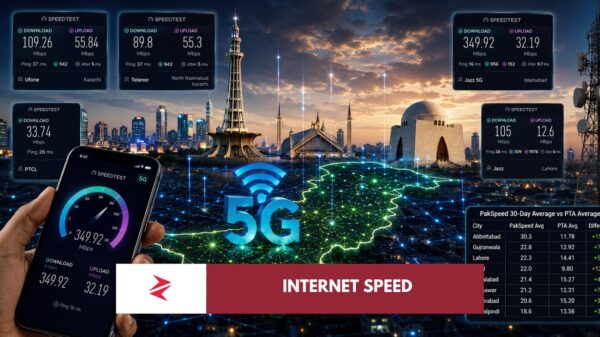
Pakistan’s digital transition is no longer an urban theory. The Pakistan Economic Survey 2025–26 recorded 207.22 million telecom subscriptions and 160.9 million broadband users by March 2026. Telecom coverage has reportedly expanded beyond 92% of the population. Rural Pakistan has not uniformly become digitally affluent, and access quality still varies sharply, but the idea that villagers patiently wait for PTV to tell them what happened is increasingly detached from reality.
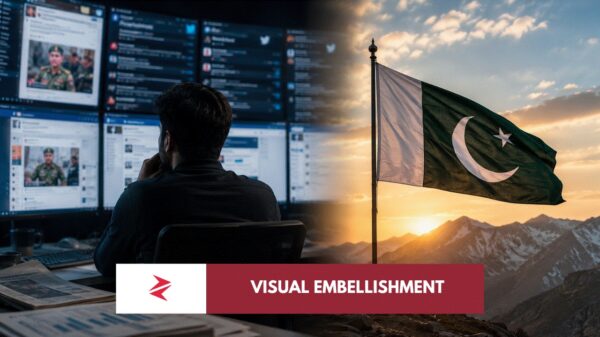
People in villages receive political clips through WhatsApp, follow religious speakers on Facebook, watch agricultural guidance on YouTube and consume breaking news through short videos long before a traditional bulletin begins. The digital shift explored in Pakistan’s improving internet-speed story is not merely a telecommunications development; it is a redistribution of narrative power.
PTV’s failure was therefore not that YouTube arrived. Its failure was that it possessed decades of archives, regional production capacity and national recognition yet still allowed younger, smaller and poorer creators to understand YouTube better.
This is the same structural problem discussed in Pakistan’s Netflix content debate: Pakistan does not lack stories or talent. It repeatedly fails to package, finance, archive, distribute and monetise them professionally. PTV owns material that should be restored, subtitled, indexed and licensed around the world. Instead, much of that cultural wealth remains commercially dormant while the corporation returns to the public purse for salaries.
Political Hiring Is the Rot Beneath the Screen
Critics frequently accuse PTV of becoming a refuge for political appointments, favoured commentators, unofficial spokespeople and employees whose influence matters more than measurable performance. Every incoming government is accused of inserting its own preferred people, reshaping editorial treatment and expecting the supposedly national broadcaster to behave like an extension of the information machinery of the day.
This arrangement damages PTV twice. First, it increases payroll costs and protects institutional inefficiency. Second, it destroys the editorial independence that could make a public broadcaster valuable.
A government mouthpiece and a public-service broadcaster are not the same thing. A government mouthpiece tells citizens what the ruling administration wants them to hear. A genuine public broadcaster documents what Pakistan needs preserved, reports what citizens deserve to know and maintains the infrastructure required to communicate during emergencies—even when the facts are inconvenient for the government financing it.
Those calling for PTV to become Pakistan’s BBC, TRT or Al Jazeera are not asking for imported accents or foreign editorial priorities. They are asking for professional ambition. TRT built international reach by investing in multilingual production and a recognisable national perspective. Al Jazeera developed global relevance by reporting beyond Qatar’s geographical size. The BBC, whatever one thinks of its record or biases, built an enormous public-service system around news, education, regional broadcasting, archives and international distribution.
The lesson is not that Pakistan must copy any of them. It is that a state-financed broadcaster must justify its existence through public value that private entertainment channels have neither the obligation nor commercial incentive to provide.

Why PTV Cannot Simply Be Switched Off
Calls for immediate closure overlook three capabilities that remain strategically important.
First, terrestrial broadcasting matters during wars, natural disasters, prolonged internet disruption and communications emergencies. Social-media accounts cannot replace a resilient national transmission network when mobile data is unavailable, platforms are blocked or disinformation overwhelms the digital space. Pakistan’s recent arguments about network control and digital sovereignty, examined in the firewall policy debate, should make it obvious that the internet is powerful but not invulnerable.
Second, private broadcasters naturally concentrate resources where audiences and advertising revenue are greatest. PTV’s regional production network can carry reporting, language programming and cultural representation from Balochistan, Khyber Pakhtunkhwa, Gilgit-Baltistan, Azad Jammu and Kashmir, Sindh and smaller Punjab cities that commercial broadcasters routinely under-serve. PTV officially maintains regional-language services and terrestrial infrastructure reaching roughly 90% of the population. That capability is not worthless simply because management has failed to exploit it.
Third, PTV Sports remains commercially and socially relevant. Major cricket, hockey and international sporting events can attract audiences that other PTV channels no longer command. Any restructuring that blindly abolishes successful or strategically valuable units alongside failing ones would repeat the same laziness currently being criticised.
Pakistan therefore faces two separate questions: does it need public broadcasting, and does the existing PTV structure deserve unconditional public financing? The answer to the first is yes. The answer to the second is no.