















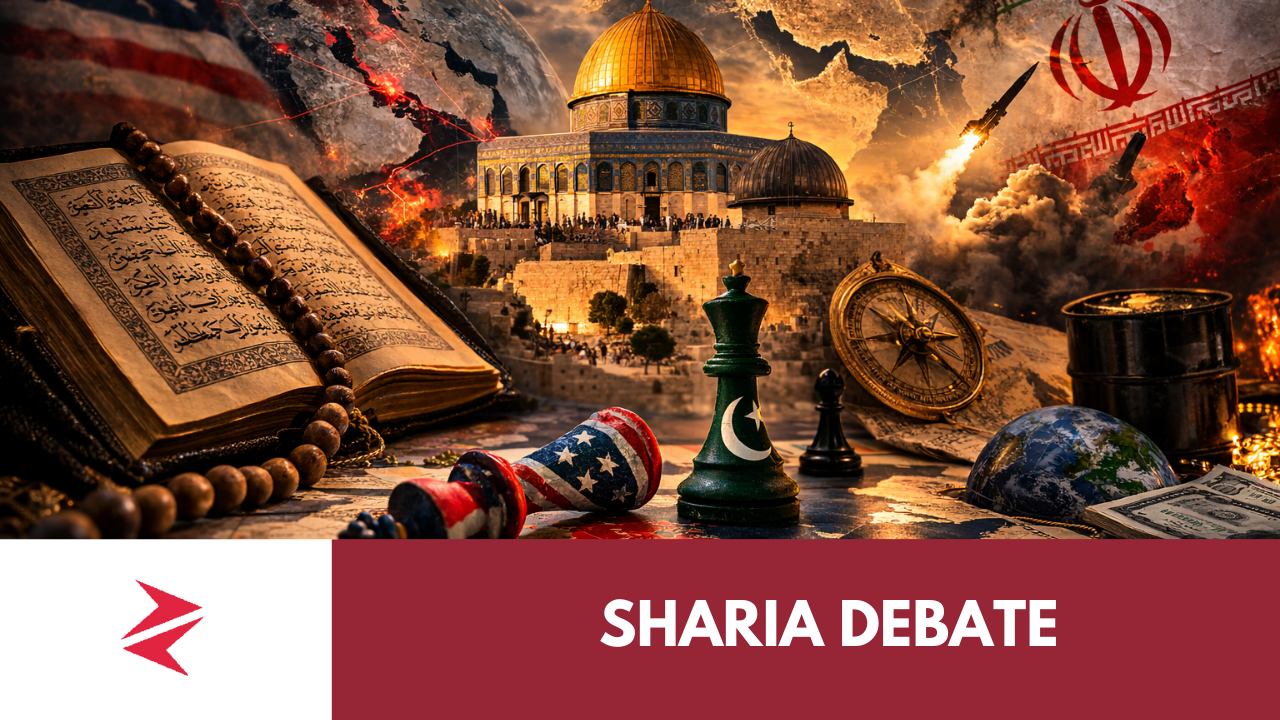
Western Political Rhetoric and the Clash of Narratives
The debate intensified further when figures such as Pete Hegseth framed Iranian ideology as religiously motivated extremism. Critics argue that such language risks portraying Islam itself as a threat rather than distinguishing between political regimes and religious beliefs.
Supporters of this rhetoric counter that Iran’s revolutionary ideology explicitly incorporates religious symbolism, making it relevant to geopolitical analysis.
The result is a clash of narratives.
One side sees Western policy as defensive measures against authoritarian regimes. The other views it as part of a long history of Western intervention in Muslim-majority regions.
War, Symbolism, and the Politics of Identity
The controversy surrounding Hegseth also reflects the symbolic role of identity in modern political debates. His tattoos, including the Latin phrase “Deus Vult” and the Arabic word “kafir,” have been interpreted by critics as crusader imagery representing hostility toward Muslims.
Supporters argue that these symbols reflect personal religious beliefs or historical references rather than ideological extremism.
Regardless of interpretation, the debate illustrates how personal symbols can become powerful political statements in the age of social media.