





























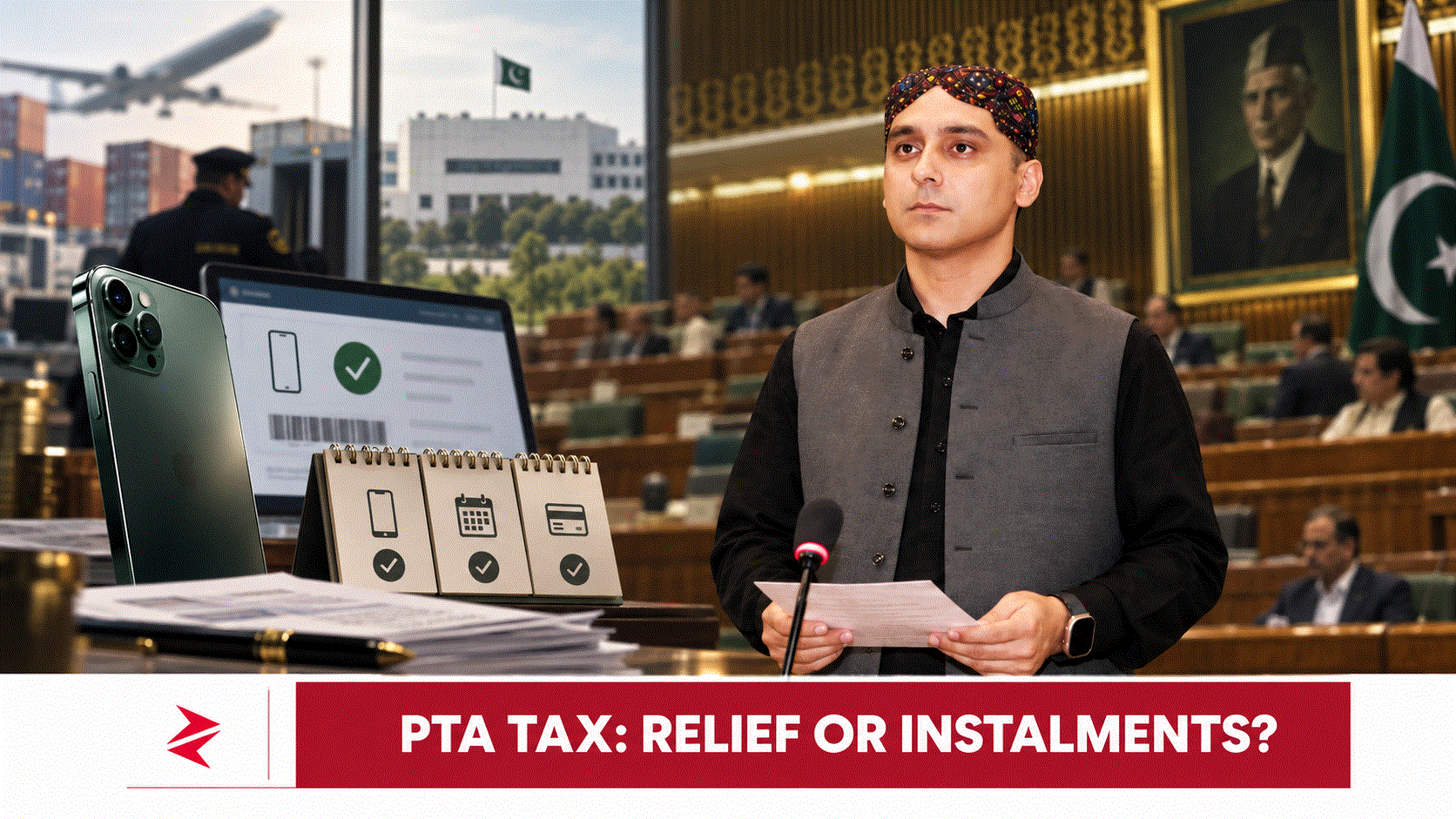
- Will a phone receive full network access after the first instalment or only after final payment?
- What happens if an instalment is missed?
- Will the device be blocked immediately, temporarily restricted or subjected to a penalty?
- Who carries the remaining liability if the phone is sold?
- Will instalment obligations attach to the owner’s CNIC, the phone’s IMEI or both?
- Can the obligation be transferred when ownership changes?
- Will interest, processing fees or penalties increase the total payment?
- How will the system treat a stolen, lost or damaged phone?
- Will older phones be assessed against their current market value or an outdated launch value?
Until PTA and FBR publish a complete operational procedure, these are not minor technicalities. They determine whether the system works in practice.
ProPakistani reported that the legislative facility exists but PTA must still introduce the mechanism through DIRBS. Therefore, citizens should not assume that an immediately usable monthly-payment option is already visible merely because the law now permits one.
Instalments create new administrative costs
The previous arrangement was harsh but comparatively simple: calculate the liability, receive the payment and register the device.
An instalment system requires more infrastructure. Authorities may need to maintain:
- Payment schedules and outstanding balances
- Automated reminders and default notices
- IMEI and CNIC-linked liability records
- Ownership-transfer procedures
- Blocking and restoration rules
- Reconciliation between FBR, PTA, banks and payment providers
- Dispute-resolution and correction mechanisms
Those systems carry development, database, cybersecurity and administrative costs. If the additional collection generated by instalments does not exceed those costs, the policy could become unnecessarily complicated.
On the other hand, a functioning instalment option may encourage owners of non-compliant devices to register them. Higher compliance could partly or fully offset the added administrative expense. That outcome is plausible, but it should be demonstrated through data rather than assumed.
Inflation slightly changes the economics
If instalments are interest-free, inflation reduces the real value of payments made later.
For the consumer, paying Rs200,000 over several months is economically easier than paying the same nominal amount today. For the government, later instalments are worth slightly less in real purchasing-power terms.
However, the financial-year deadline limits this effect. It does not automatically make the policy a loss for the government because broader registration and improved compliance could produce additional revenue. The government also benefits from converting non-payment into structured payment.
The accurate conclusion is that instalments may provide cash-flow relief while modestly eroding the real value of delayed collections—not that they reduce the statutory tax.