
























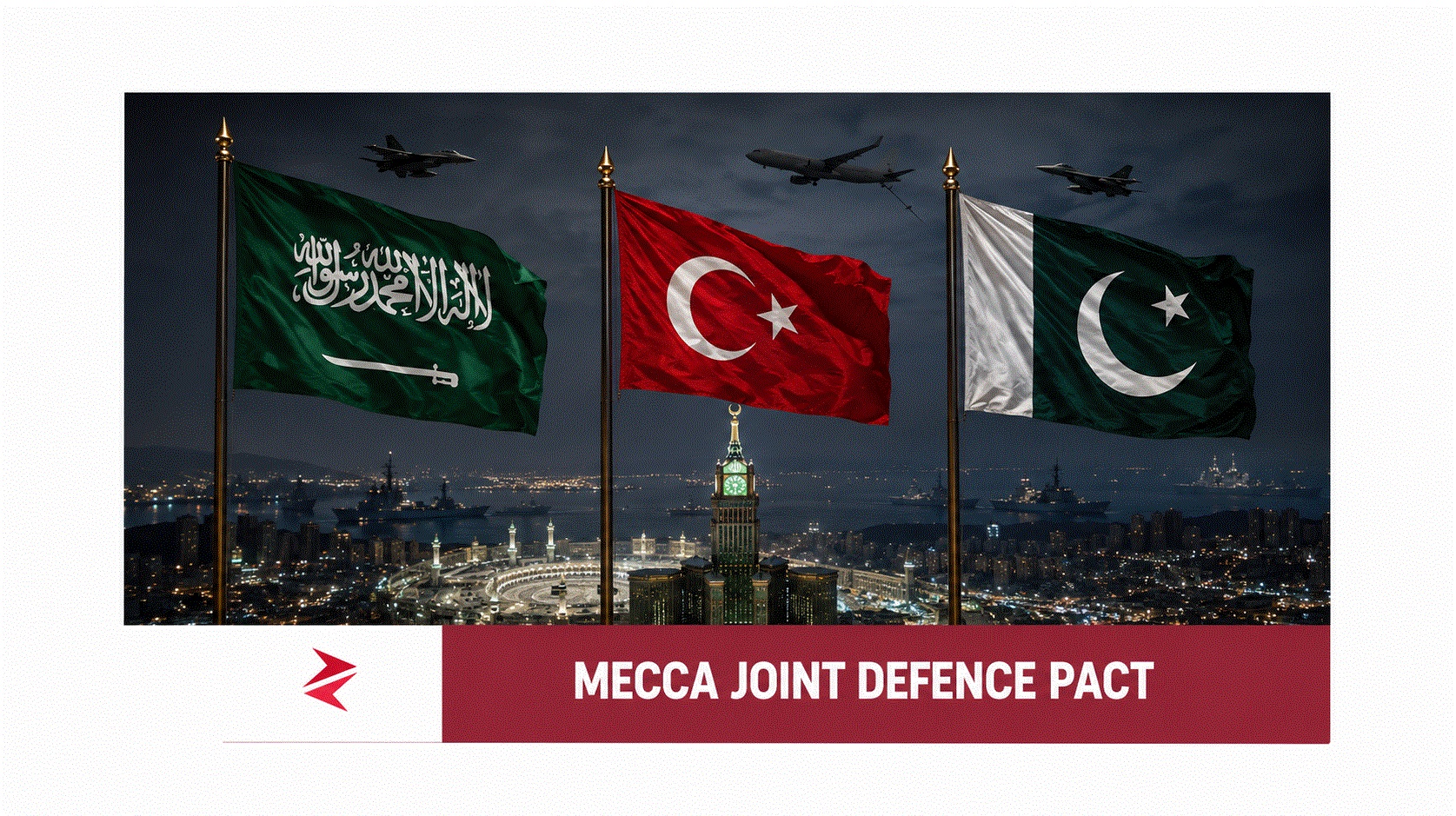
Who Actually Brings What to the Alliance?
| Signatory | Strategic contribution | Principal vulnerability |
|---|---|---|
| Pakistan | Nuclear deterrence, combat-experienced armed forces, JF-17 production, missile capability and Indian Ocean position | Economic dependence and exposure to US, Gulf and IMF pressure |
| Türkiye | NATO interoperability, drones, naval manufacturing, electronic warfare and a large standing military | Conflicting NATO obligations and complex relations with Israel, Iran and Greece |
| Saudi Arabia | Capital, energy leverage, geography, procurement power and custodianship of Makkah and Madinah | Dependence on imported weapons, exposed infrastructure and uncertain battlefield autonomy |
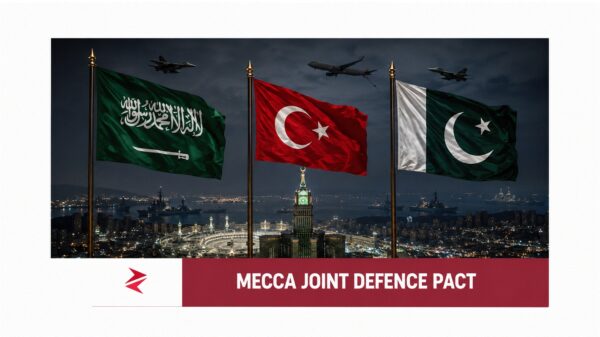
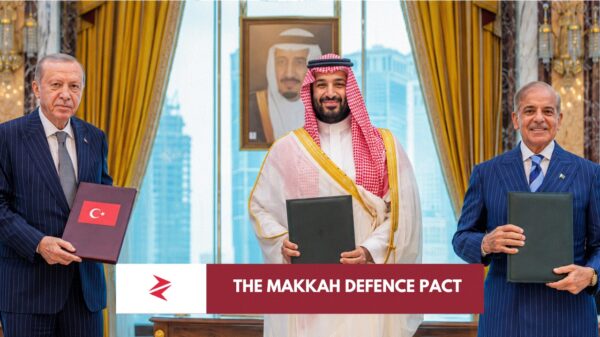
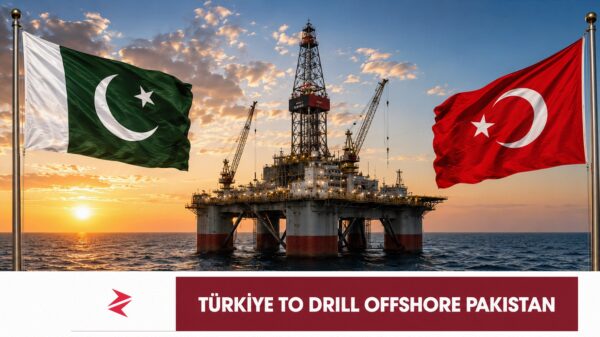
The three states are complementary in a way that makes the agreement strategically serious. Saudi capital can finance production; Turkish industry can accelerate technology development; Pakistani forces can provide operational depth, training, deterrence and cost-effective platforms. Pakistan’s MILGEM partnership and the commissioning of PNS Khaibar already prove that Pakistan-Türkiye cooperation can move beyond speeches into steel, sensors and technology transfer.
That should become the pact’s economic doctrine: build together instead of merely buying together.
If the alliance becomes another shopping club for US-made weapons, Washington will remain the invisible fourth member. If it creates shared production of aircraft, drones, naval platforms, air-defence systems, electronic-warfare equipment and secure communications, it can begin becoming genuinely sovereign.
This is also where Pakistan must stop selling itself cheaply. Islamabad should not provide troops and strategic credibility in return for another temporary deposit that disappears from the State Bank’s balance sheet when Washington changes mood. Pakistan should demand investment, market access, energy security, technology transfer, defence-production orders and long-term industrial partnerships. The rise of the JF-17 as a strategic export instrument offers the clearest model: defence diplomacy must generate factories, skilled employment and foreign exchange inside Pakistan.
What Nobody Is Telling Pakistanis
The greatest danger is not that America openly destroys this pact. The greater danger is that America embraces it, supplies it and quietly defines its enemies.
Washington has often behaved like a jealous former partner toward Pakistan: unwilling to provide dependable commitment, yet irritated whenever Islamabad develops alternatives with China, Türkiye, Russia, Iran or the Gulf. It wants Pakistan useful enough to stabilise Afghanistan, restrain India-Pakistan escalation, engage Iran and protect regional shipping—but not independent enough to set the terms.
That is why the bootlicking spectacle around American presidents is so corrosive. Tactical praise may sometimes buy diplomatic space, but repeated public adulation also teaches Washington that Pakistan’s leadership can be rewarded with compliments while Pakistan absorbs the strategic cost.
Trump’s support should therefore be accepted politely and trusted minimally.
A truly sovereign Makkah alliance would welcome cooperation with the United States without granting Washington veto power. It would purchase whichever equipment serves its members while prioritising indigenous production. It would deter Iran from attacking Gulf infrastructure without becoming a launchpad for war against Iran. It would confront Houthi attacks on international shipping without pretending that Yemen’s catastrophe began with a single missile. Most importantly, it would identify Israeli aggression as a genuine security threat rather than an inconvenient public-relations problem.
What Happens Next?
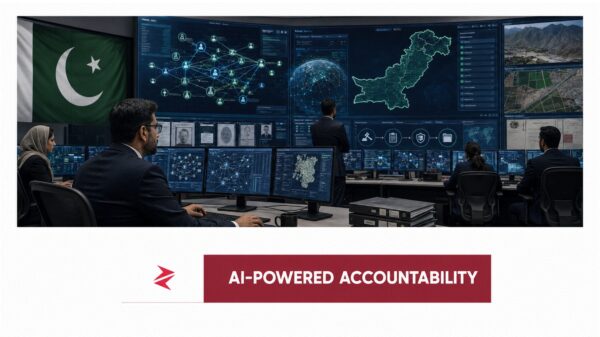
The next phase must transform the agreement from sacred symbolism into accountable machinery. The signatories need a permanent secretariat, a joint threat-assessment centre, clearly defined consultation procedures, integrated air and missile-defence exercises, maritime coordination, cyber-defence protocols, secure intelligence rules and parliamentary scrutiny of deployment obligations.

Egypt’s possible participation could add military mass, control of the Suez corridor and additional Arab legitimacy. Yet expansion without doctrine would merely multiply contradictions. Every prospective member must answer the same questions: is Palestine a security issue, is Israeli territorial expansion a threat, can member territory be used against another Muslim state, and who decides when collective defence is activated?