














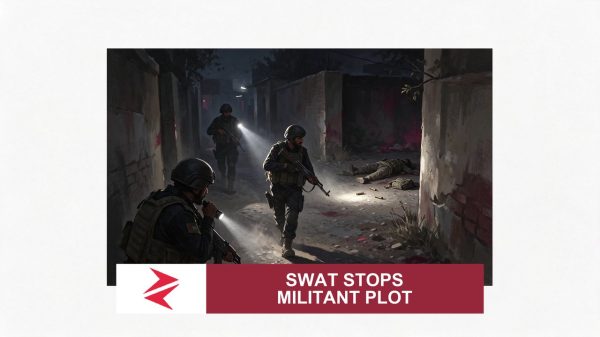


























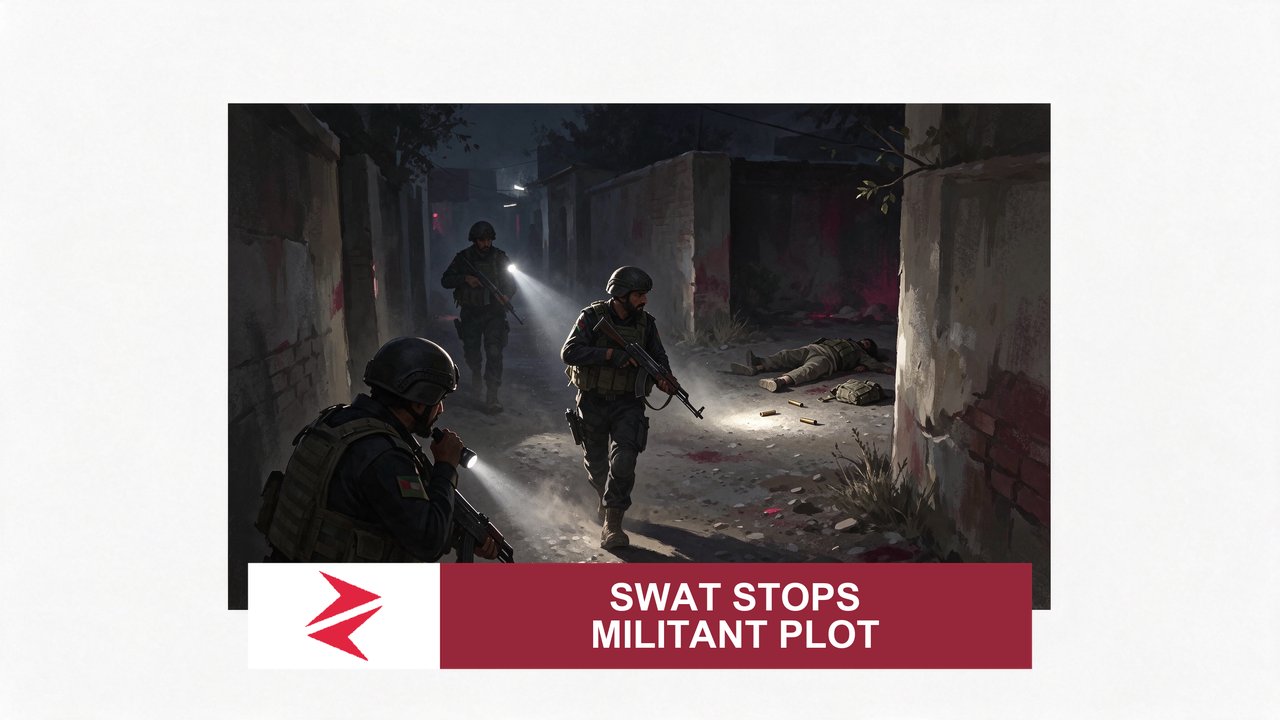
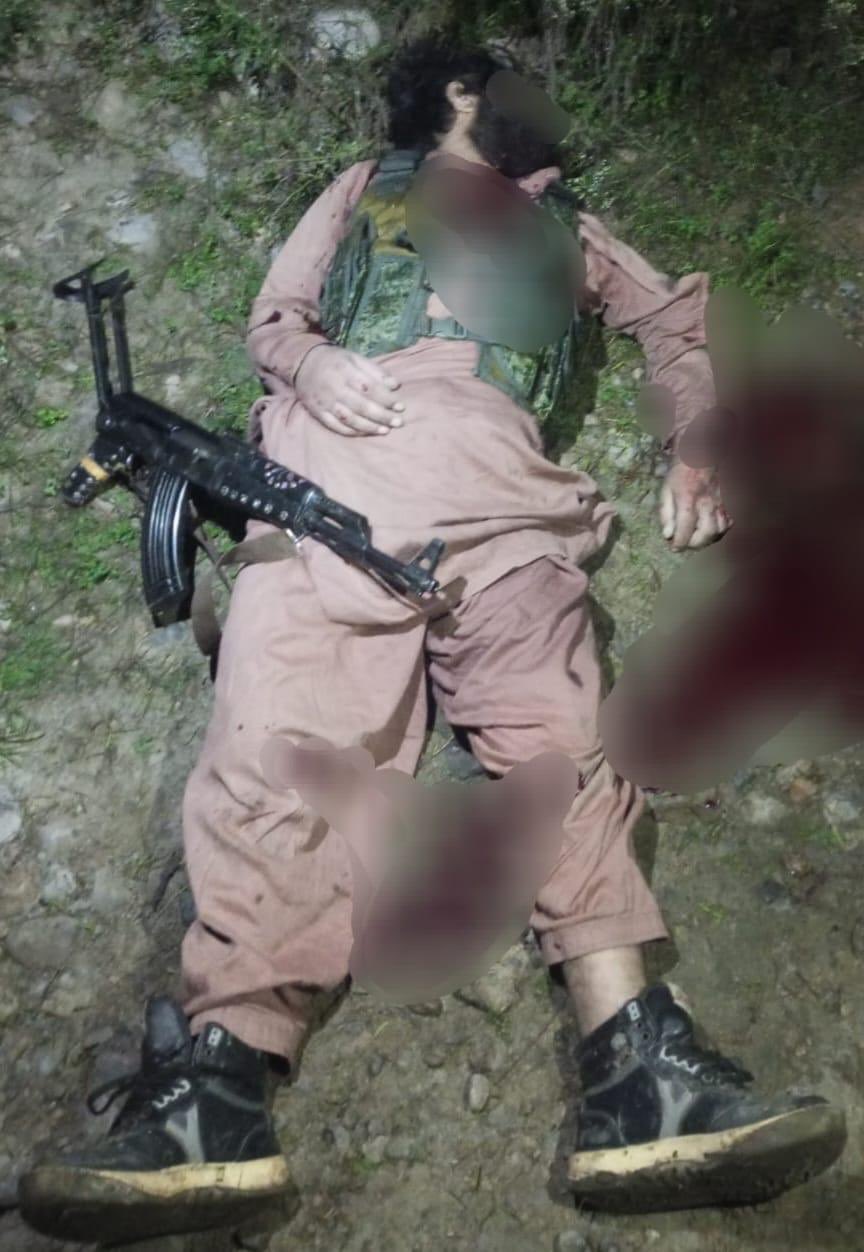
According to a statement released by Pakistan’s Counter‑Terrorism Department (CTD) and reproduced by Dawn, three militants belonging to the banned Tehreek‑i‑Taliban Pakistan (TTP) were killed in an encounter on Passani Road, about 23 miles south of Peshawar. The CTD’s Special Weapons and Tactics (SWAT) team, together with army personnel, acted on intelligence that the trio were planning attacks on government installations. Their swift neutralisation prevented what could have been another wave of bombings or shootings that would have rattled ordinary citizens.
What the official brief tells us
The CTD brief, quoted in the India Blooms article, outlines the sequence of events: intelligence inputs flagged a group of three armed men on Passani Road; SWAT and army units moved in with “modern weapons”; the militants opened fire, prompting a fierce exchange; three bodies were recovered and identified as Abdul Rashid, Saeedullah and Saeed Nawab. The statement also admits that other suspected terrorists escaped during the gun‑battle and that a follow‑up search operation is underway.
Public stakes – why ordinary Pakistanis should care
Every time a terrorist cell plots against a government building, the ripple effect lands on the street‑level: schools shut, markets close, and families live in fear of stray bullets. The cost of a single attack goes beyond the immediate loss of life; it erodes investor confidence, inflates insurance premiums, and forces the state to divert scarce resources into emergency response instead of development projects. By stopping a planned strike before it could materialise, the CTD saved not just lives but also a chunk of the nation’s already strained economic bandwidth.