







































Reactions from the Ground
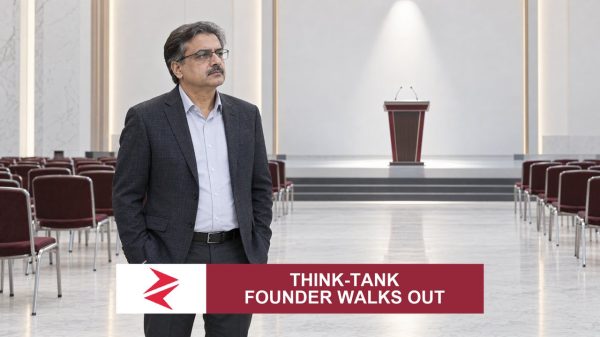
Awais Saleem, another observer, described the circumstances as “concerning and strange,” noting that Rana disabled his WhatsApp shortly after the announcement. In a digital age where surveillance is routine, such a defensive move hints at fear of retaliation. Likewise, Ahsan Khan warned, “Peddling propaganda of the Afghan Taliban and undermining your own country in the fight against the Afghan Taliban has consequences.” These voices are not conspiratorial murmurs; they are the lived anxiety of citizens who see expertise being edged out.
The Public Cost
Think‑tanks do more than publish papers; they provide the factual scaffolding for policy debate, media reporting, and civic oversight. When that scaffolding collapses, the public pays in three concrete ways: first, policy transparency erodes, leaving decisions shrouded in secrecy; second, democratic oversight weakens, because legislators lose an independent benchmark; third, everyday people are forced to rely on state‑run narratives that rarely address food insecurity, education gaps, or local security threats. The result is a populace that navigates fear rather than fact.
What Must Follow
Accountability begins with transparency. The Ministry of Interior should disclose any security‑related cancellations or visa denials tied to the alleged conference, rather than hiding behind vague statements. Civil society must step in – whether by forming new research collectives, funding existing scholars, or demanding state resources for independent analysis. Finally, every Pakistani citizen, journalist, and policymaker must ask: if a think‑tank can be silenced, what other avenues for truth are being closed?













