























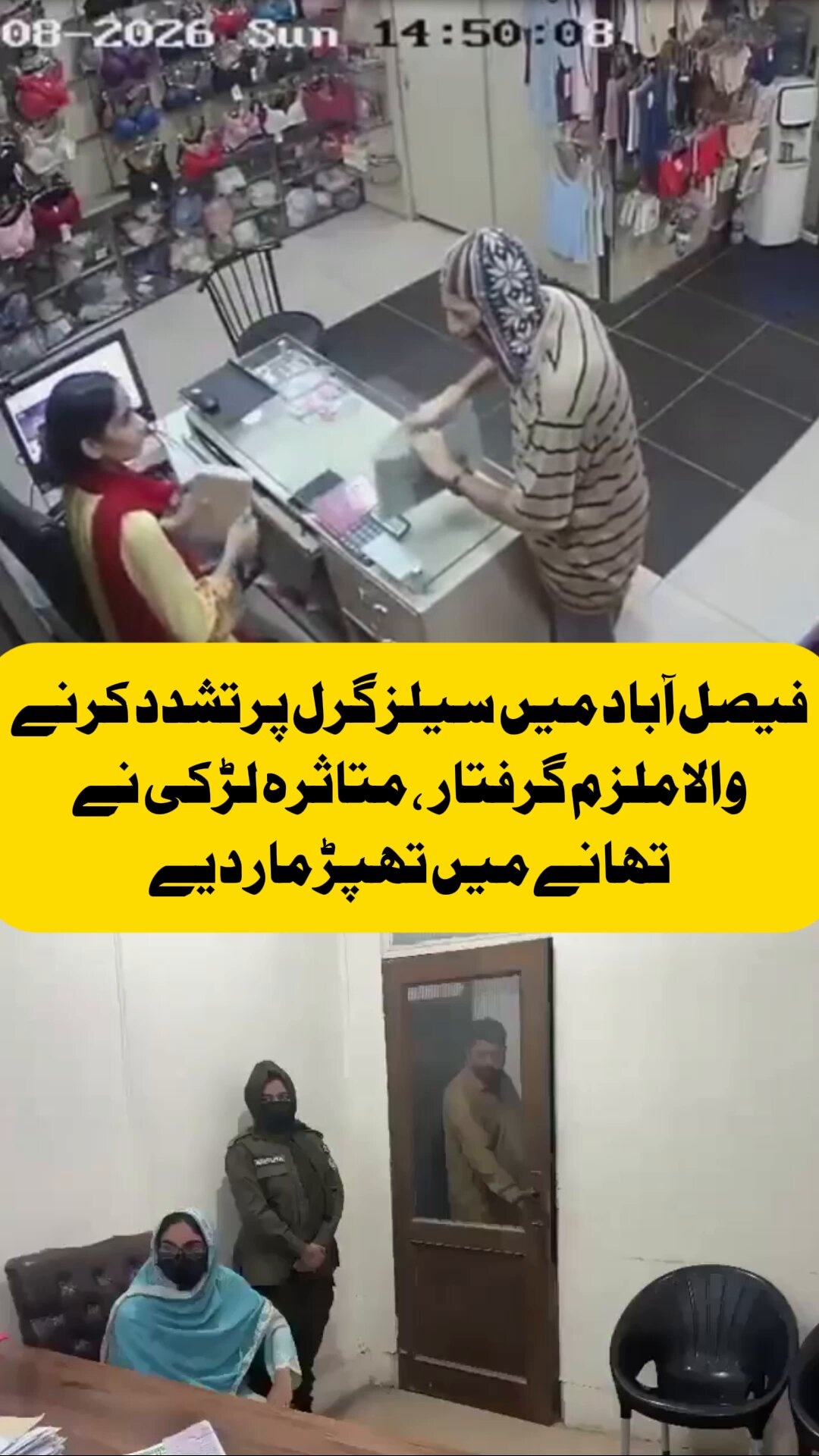
Incentives for the CM and the police
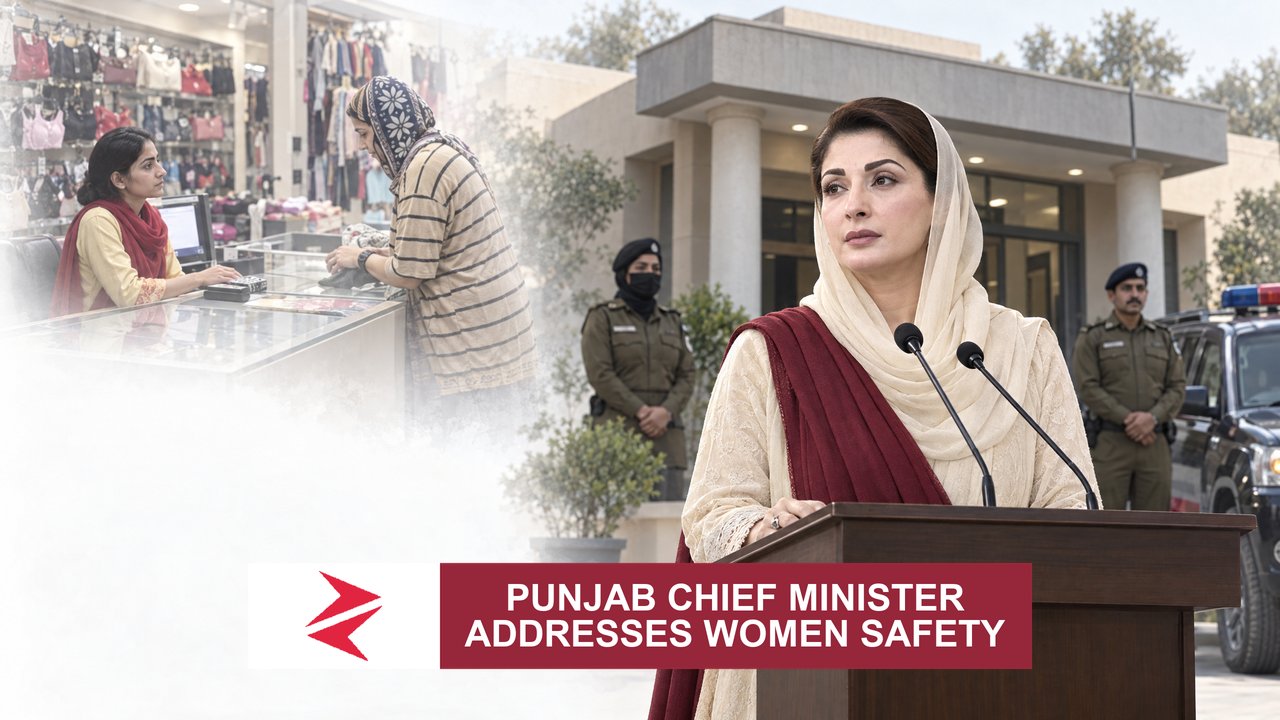
For Maryam Nawaz, championing a women‑safety narrative aligns with the ruling party’s broader electoral strategy: a visible, tough stance on gender‑based violence can win votes in urban Punjab, where women’s rights have become a litmus test for progressive governance. For the Punjab Police, publicizing an arrest satisfies a demand for swift justice, especially when the video has already gone viral. Yet the incentive to “show” results can tempt authorities to shortcut due‑process safeguards, risking wrongful detention or coerced confessions.
The ordinary people’s stake
Behind the hashtags #WomenSafety and #WomenRights lie the everyday fears of shop‑keepers, street vendors, and service workers who earn a living with their hands. If the promise of “humiliation” is taken as a guarantee of protection, any failure to deliver will deepen cynicism. Moreover, the focus on a single, sensational incident diverts attention from systemic issues: inadequate workplace security, lack of rapid legal recourse, and a police culture that often treats women’s complaints as secondary.
Accountability, not theatrics
The real question is not whether the suspect was arrested—something the X posts assert—but whether the legal process that follows will be transparent, evidence‑based, and free from political theatre. A responsible government would release a police report, name the court handling the case, and ensure the victim’s testimony is recorded without intimidation. Until then, the CM’s warning remains a rhetorical flourish, and the public’s demand for genuine safety remains unmet.