






































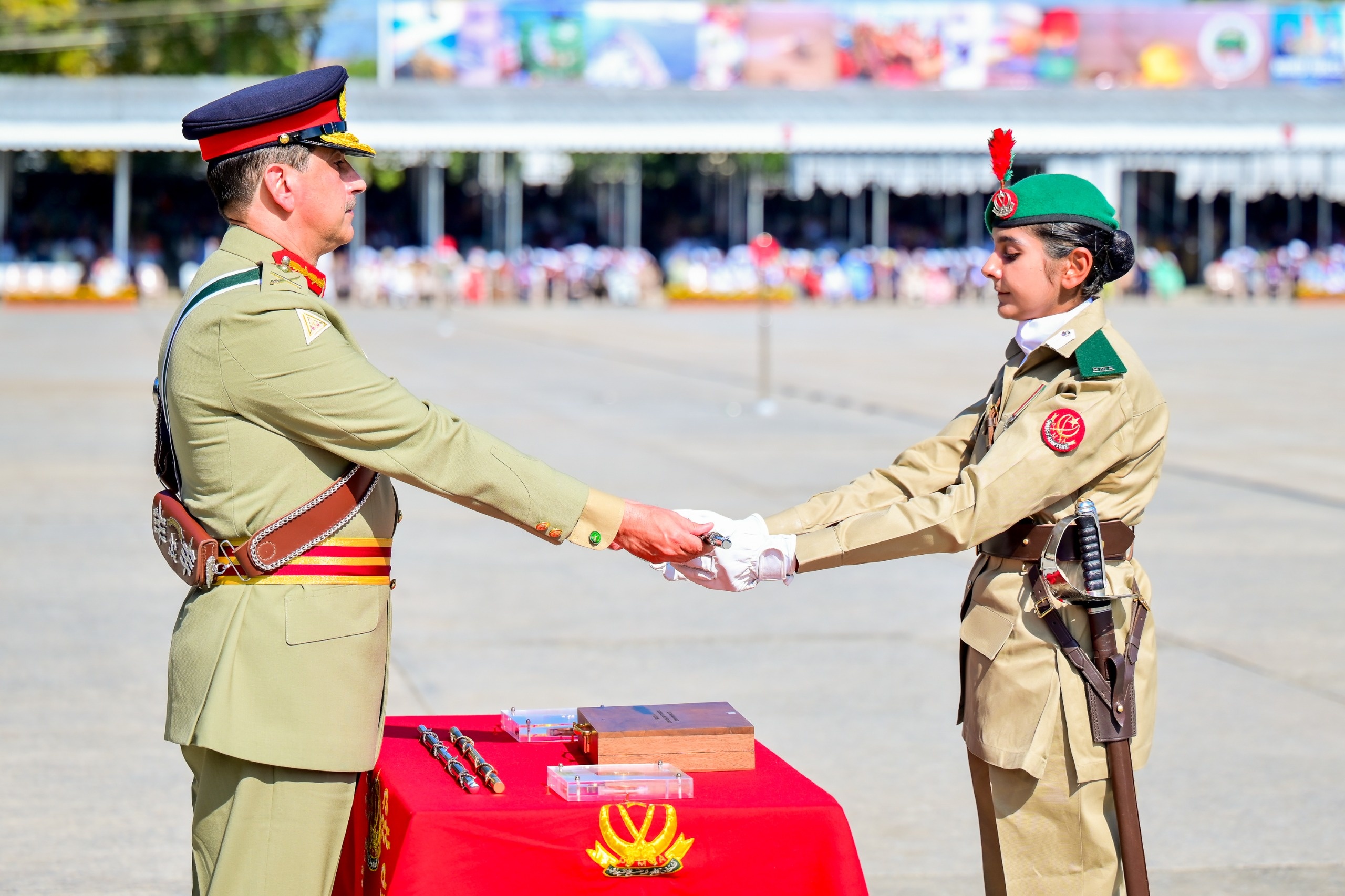
On the morning of 21 October 2026 the Pakistan Military Academy in Kakul staged its annual passing‑out parade, a spectacle of precision that the nation watches with a mixture of pride and fatigue. Among the graduates, Junior Under Officer Maryam Tariq of the 28th Lady Cadet Course was handed the commandant’s cane – a symbolic token of leadership traditionally reserved for male officers. The tweet by @LodhiMaleeha, posted on the day of the ceremony, reads, “At this morning’s passing out parade at the Pakistan Military Academy the commandant’s cane being awarded to Junior Under Officer Maryam Tariq from PMA’s 28th Lady Cadet Course. Impressive!” This single, eyewitness account, corroborated by the official ISPR‑linked @PakistanFauj post that listed the 28th Lady Cadet Course among the graduating units, is the only verifiable record of the award.
Why the Cane Matters
The commandant’s cane is more than a decorative stick; it signals that the bearer has earned the confidence of the academy’s highest authority. For a woman to receive it in a historically male‑dominated institution is a visible break from the past, a point that the military’s own communications have highlighted as progress. Yet the ceremony’s flash cannot mask the stark reality that the same day the nation’s power grid faltered, inflation ticked above 30 %, and hospitals struggled for basic supplies. The contrast is stark: a polished parade on a televised stage versus the daily grind of 220 million citizens.