








































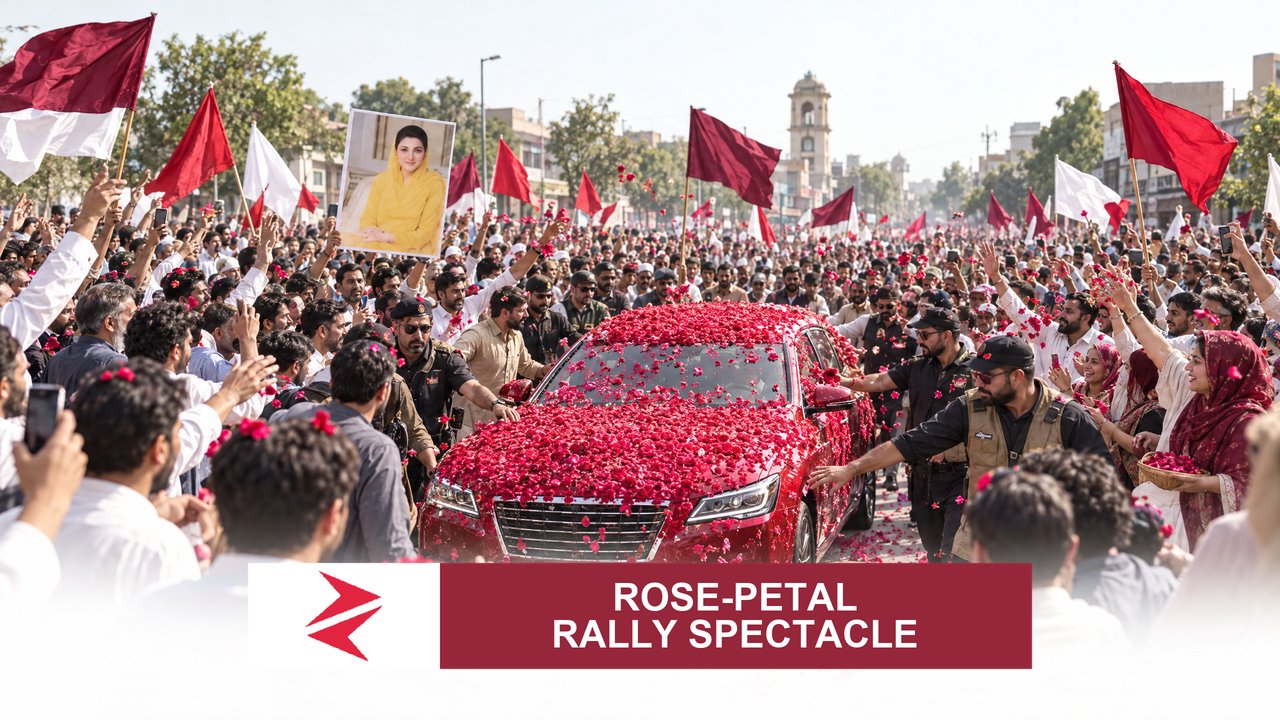
Maryam Nawaz’s birthday rally turned Mandi Baha‑ud‑Din into a carpet of rose petals, yet the visual spectacle masks a stark absence of any verifiable public‑policy deliverables. The contrast between a black car smothered in fresh petals and the empty ledger of promised laptops, scholarships and roads is the very contradiction that fuels ordinary Pakistanis’ anger.
The verified facts
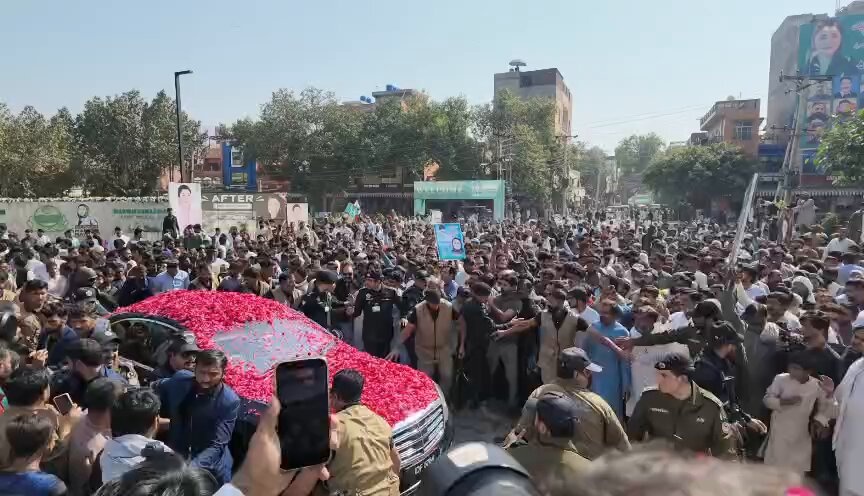
The official X account posted a thank‑you message at 15:57 UTC on 27 October 2026: “آپ کی محبتوں کا شکریہ، منڈی بہاؤالدین” (“Thank you for your love, Mandi Baha‑ud‑Din”). A timestamped image from the same post shows a dense crowd, a black car entirely covered in red flower petals, and flags fluttering along the street. Those visual elements are indisputable – they are captured in the post’s media file and the tweet’s metadata.
What is missing and why it matters
Beyond the photos and the thank‑you tweet, the thread contains no budget line, procurement notice or official decree confirming the distribution of 5,500 laptops, the launch of Honhaar scholarships, the inauguration of a university or medical college, the completion of a 94‑km Gujrat‑Mandi‑Baha‑ud‑Din‑Sargodha road, or the giveaway of electric bikes. In a country where every rupee is stretched thin by energy subsidies, debt service and a fragile balance‑of‑payments, a promise that cannot be traced to a public document inevitably draws funds from already overburdened services.
Concrete observations from the rally
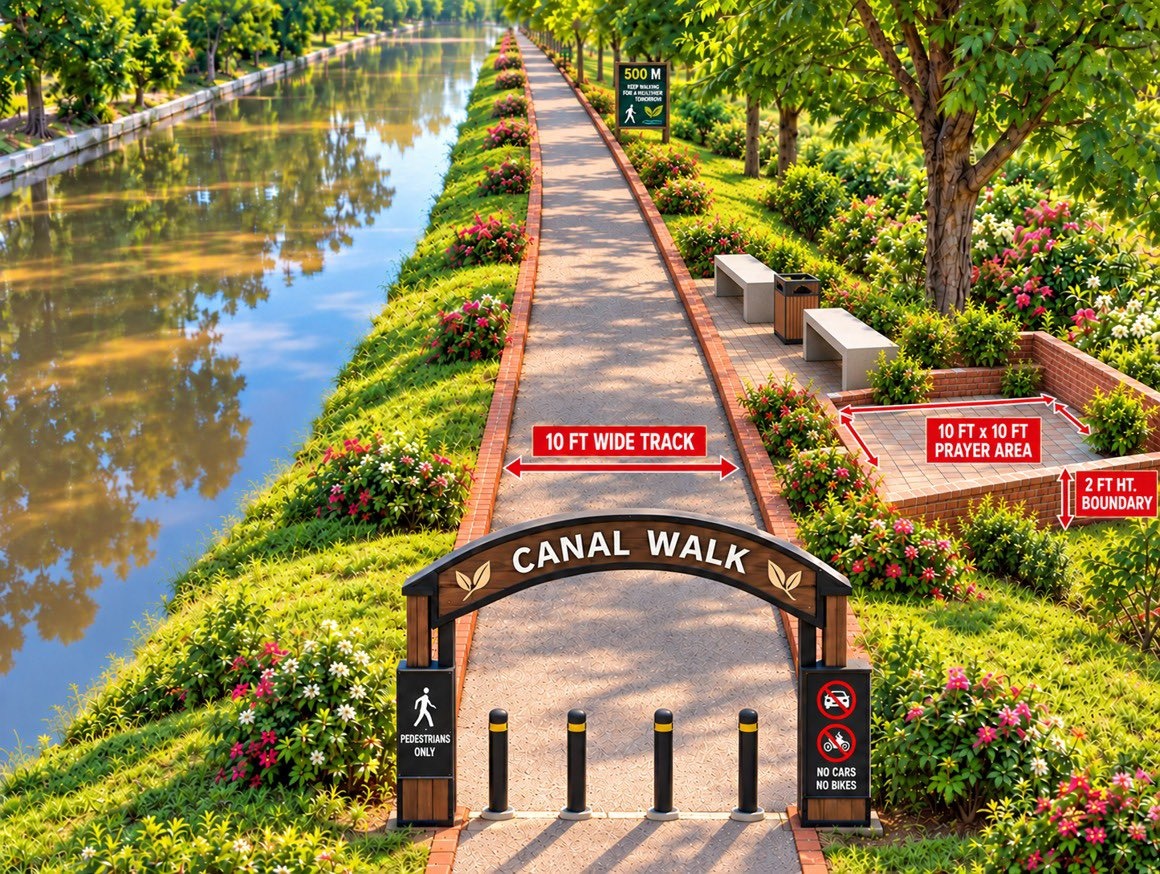
One of the X posts included a design rendering of a proposed Faisalabad walking track: 500 m long, 10 ft wide, with a 10 ft × 10 ft prayer area and a 2‑ft high boundary, marked “PEDESTRIANS ONLY – NO CARS NO BIKES”. The same post showed a GPS‑annotated photograph of a dirt path under construction at latitude 31.39136644 N, longitude 73.06932023 E, timestamped 10:58 AM local time. These images confirm that a design exists and that some groundwork is underway, but they do not prove that the track is finished, funded or open to the public.
Public reaction without data
Supporters flooded X with praise such as “ماشاءاللّٰہ یہ ہوتی ہے عوامی وزیراعلیٰ”, while critics vented frustration: “ساری بیوروکریسی جمع کی یہ ادھر اور چند کرائے کے ٹٹو”. Both sides echo the same problem – enthusiastic commentary without any hard data on how many classrooms will open, how many patients a teaching hospital will treat, or how many kilometres of road are truly complete. The absence of audited figures is a red flag for accountability.
How the void feeds anti‑Pakistan narratives
International commentators often brand Pakistan’s politics as a “circus” of empty gestures. When a high‑profile rally is inflated with unverifiable promises, it supplies exactly the prop those critics need. Exposing the gap between the rose‑petal display and any budget‑backed project undercuts the premise of such smear campaigns, showing that the problem lies in domestic political practice, not in some external conspiracy.
Institutional accountability – the missing audit trail
Standard procedure for a public promise of this scale would involve a line item in the federal or provincial budget, a tender notice, and periodic progress reports. To date, the Ministry of Planning and Development has not released any allocation for 5,500 laptops, nor has the Higher Education Commission announced a batch of Honhaar scholarships linked to the event. The silence suggests either deliberate concealment or, more plausibly, that the promises were never formalised.
Ordinary Pakistanis’ perspective
For a farmer in Gujrat or a teacher in Sargodha, the most pressing needs are reliable electricity, functional roads and water for their fields. A rose‑petal‑covered car does not irrigate crops; a design rendering does not lay a concrete slab. The public’s patience is thinning – they demand tangible outcomes, not a parade of unverified gifts.
Comparative perspective
The pattern repeats. In the Sahiwal sports arena launch, a striking photograph showed Maryam Nawaz on a cricket bat and a banner proclaiming “Rs 5.61 billion” in projects, yet no official financial documentation confirmed the spend, and the promised scholarships and crime‑control measures remain absent. The Mandi Baha‑ud‑Din rally follows the same script: visual grandeur, a cascade of unverified claims, and ordinary citizens left to wonder where the money went.
Sharp verdict
The rally was real – the crowd, the petals and the thank‑you tweet are indisputable. The extraordinary claims about laptops, scholarships and completed infrastructure, however, lack any primary source. In a nation where every rupee matters, inflating a birthday celebration with unverifiable promises is a breach of public trust.
Accountability question
Who will answer for the gap between the rose‑petal spectacle and the missing laptops, schools and roads? Will the Ministry of Finance publish a detailed ledger, or will the promises dissolve into the same fog that fuels anti‑Pakistan propaganda? The answer must come from the institutions that manage public funds, not from echo chambers that celebrate empty gestures.














