








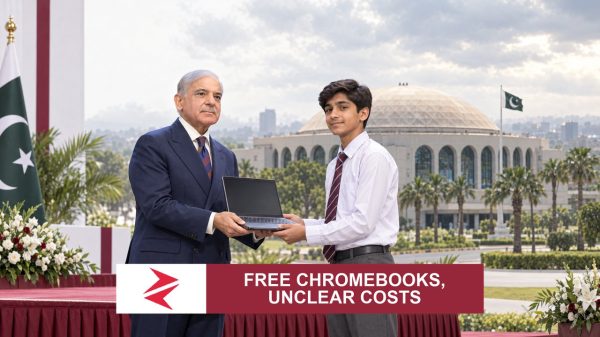
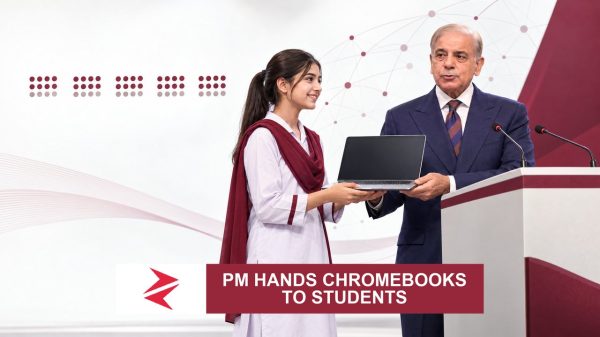
























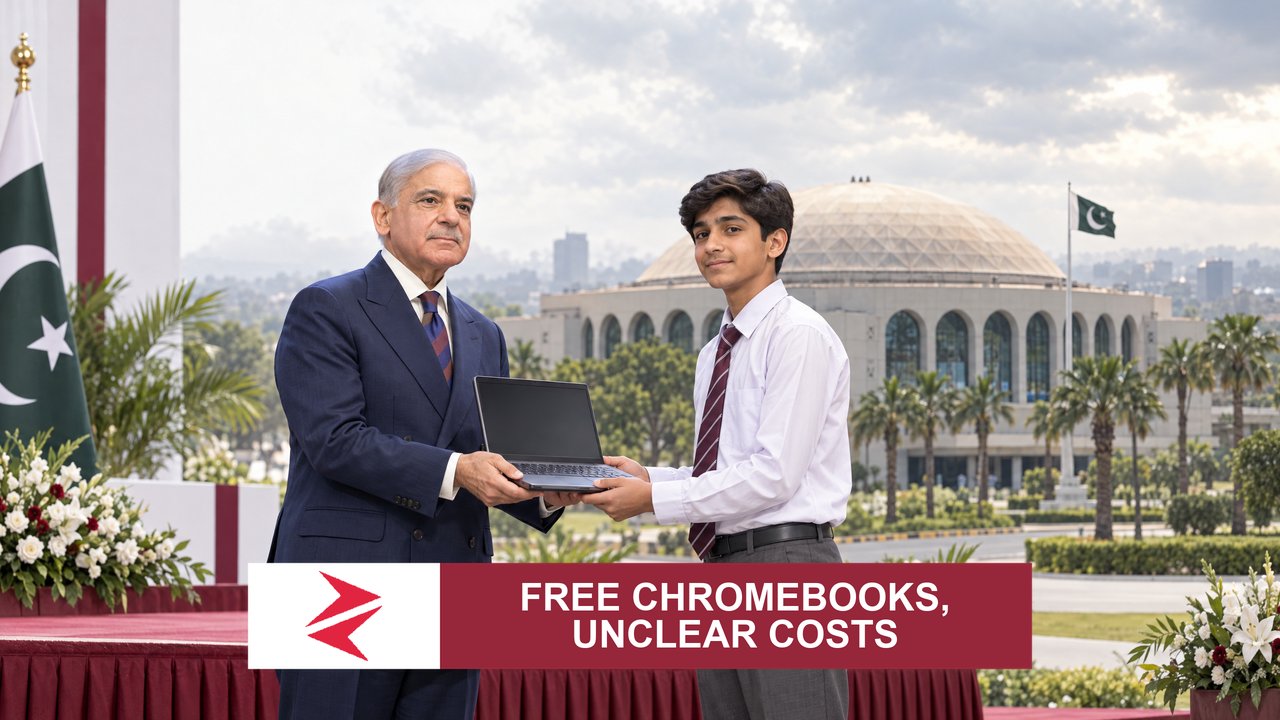
When Prime Minister Muhammad Shehbaz Sharif announced on 25 October 2026 that the government would hand out 500,000 free Chromebooks, the headline glittered. Yet the same PMO tweet that trumpeted the “Youth Chromebook Scheme” offered no clue about the money behind the promise. No budget line, no tender notice, no unit‑price – just a bold claim that the state would fund a half‑million laptops and internet access for “the most talented” students.
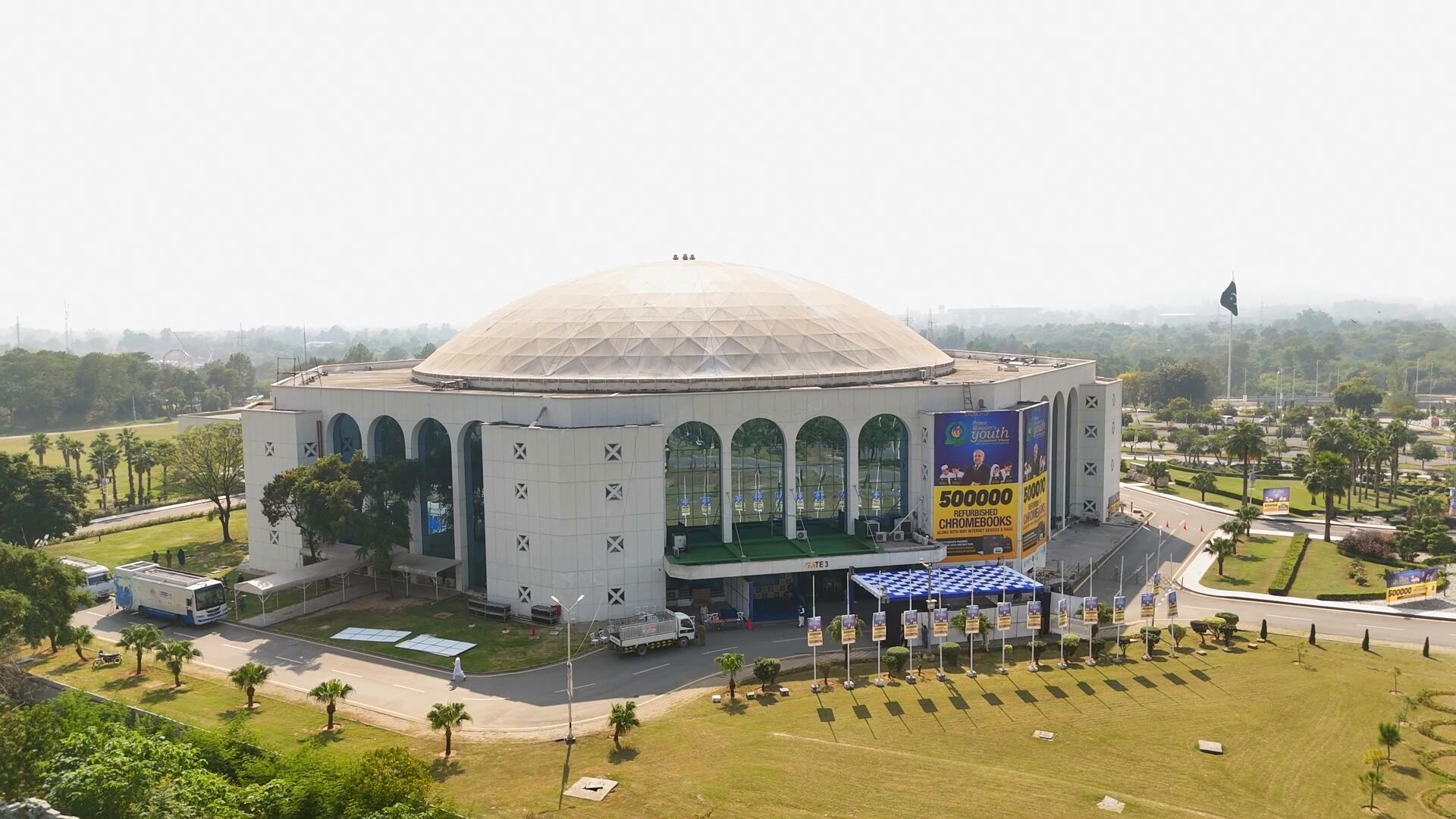
Who will foot the bill?
The official post read, “Empowering young minds, expanding digital access and investing in Pakistan’s future…providing Chromebooks and internet facilities on merit to 500,000 talented.” The phrasing is unmistakable political theatre, but the silence on financing is a red flag. In a country where inflation is already eroding wages and power cuts are routine, every unaccounted‑for expense ultimately lands on the taxpayer. Without a disclosed budget, the public cannot know whether funds will be diverted from health, water or other essential services.
Merit on paper, merit in practice?
The scheme’s website spells out that only top‑performing Grade‑9 (and Grade‑10 in AJK, ICT and Gilgit‑Baltistan) students from government or public schools qualify. It also mandates the upload of a colour photograph, mark‑sheet, B‑Form and guardian CNIC, each capped at 300 KB. For families without a reliable internet connection or a scanner, the digital hurdle becomes a gatekeeper that defeats the promise of “free” technology.