












































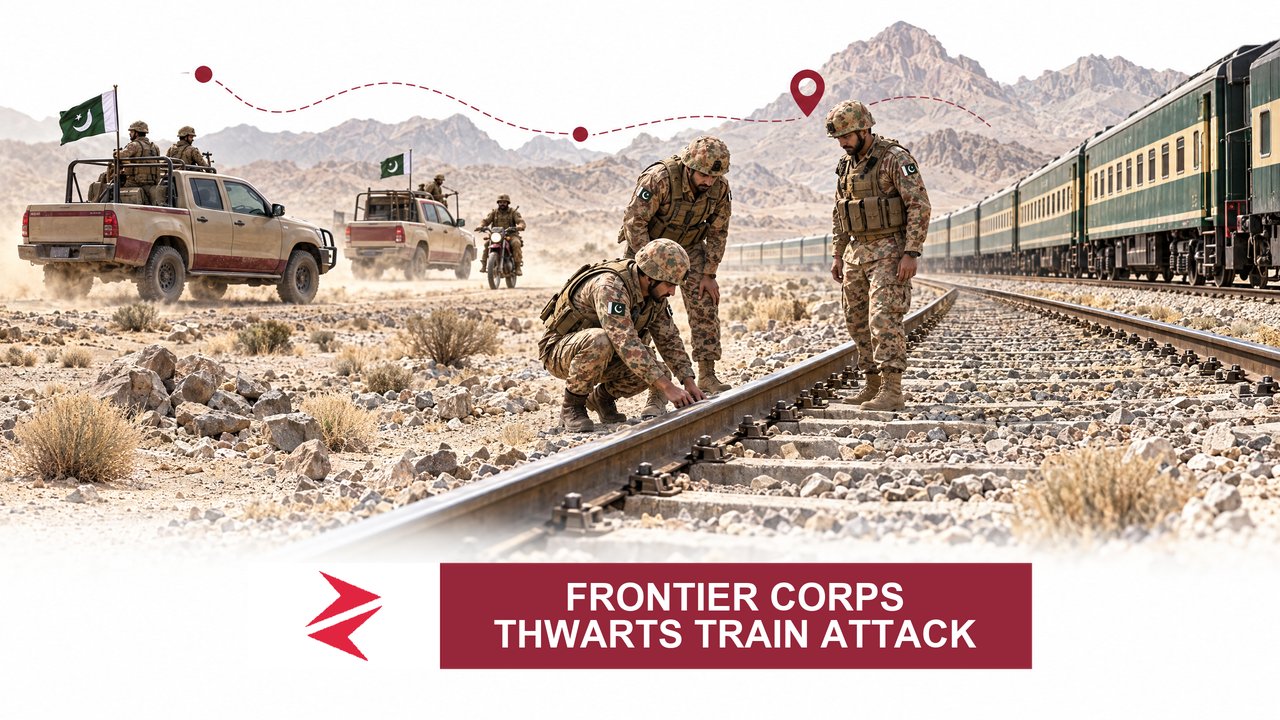

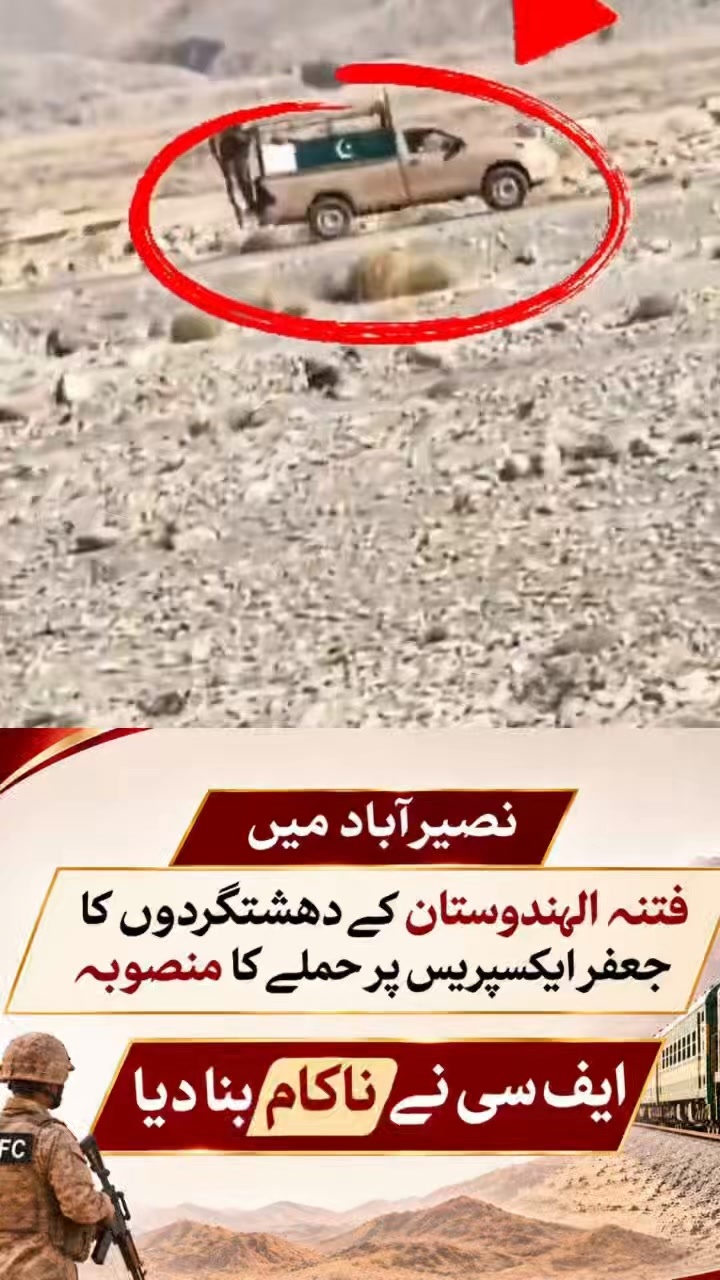
Why the incident matters beyond the tweet
The public cost of a thwarted attack is not measured in headlines but in the daily anxiety of commuters who board the Jaffer Express, hoping the next journey won’t become a battlefield. If the FC had hesitated, a single RPG could have ripped through a carriage packed with women, children and laborers – a tragedy that would have fed the very propaganda the attackers rely on. The fact that the attack was averted demonstrates that intelligence‑based deployment still works when the chain of command is clear, but it also exposes a glaring weakness: the lack of an official, verifiable statement from the Ministry of Defence or Pakistan Railways. Without it, the public is left to piece together the truth from a handful of X users, a situation that fuels speculation and, inevitably, anti‑Pakistan narratives that claim the state is either complicit or incompetent.
Incentives, accountability and the hidden price
Frontier Corps personnel operate on a thin margin of resources, often in remote, rugged terrain where logistics are a nightmare. Their incentive to act decisively is simple – protect the civilian populace that sustains the local economy and prevent the insurgents from gaining a propaganda victory. Yet the state’s incentive to publicize the success is muted; the official silence suggests a reluctance to expose the very fact that militants can get close enough to launch RPGs at a moving train. This selective opacity rewards the terror narrative that the Pakistani security apparatus is blind, while rewarding the FC’s on‑ground bravery with no official acknowledgment or reward.













