































Nawaz Sharif Has Already Won the Moral Argument
Here is the contradiction PTI’s online machinery does not want to confront. In 2019, when Nawaz Sharif was seriously ill in custody, low platelet counts, hospitalisation and medical bail were turned into political comedy. Imran Khan himself publicly questioned the appearance of Sharif climbing aircraft stairs and cast doubt on medical reports listing multiple illnesses. Dawn documented Khan questioning those reports, while Reuters recorded that courts granted Sharif temporary medical bail.
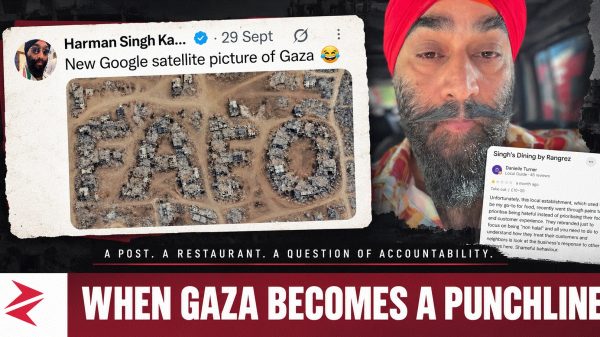
Mocking Nawaz Sharif’s illness was wrong then. Mocking Imran Khan’s illness would be wrong now. Demanding medical dignity for Khan while continuing to circulate “fake platelets” jokes about Sharif is not human-rights advocacy; it is partisan entitlement disguised as principle.
In that specific moral sense, Nawaz Sharif and every political opponent whose illness, detention or family grief was ridiculed during Imran Khan’s rise have won an argument that required no press conference. The same political culture that treated sickness as theatre when an opponent was suffering now demands that every reported symptom of its own leader be accepted without scrutiny. Pakistan cannot build equal law from such selective compassion.
This does not mean Khan should suffer because others suffered. It means the country must finally reject the cycle. Readers examining the longer political record surrounding Imran Khan will recognise that selective accountability has repeatedly produced short-term political winners while weakening institutions. The same institutional danger appears in Pakistan’s broader system-collapse debate and in the argument that justice must remain evidence-led rather than theatrical.
What Nobody Is Telling You
The real beneficiaries of medical politics are not prisoners, doctors or ordinary Pakistanis. They are political communications teams that turn every blood test into a loyalty test, every judicial order into a battlefield and every hospital corridor into a campaign set. One side presents ordinary custodial healthcare as privileged relief; the other sells the same treatment as evidence that the regime has fallen to its knees. Both narratives divert attention from the institutional question: would an unknown prisoner with comparable symptoms receive timely specialist treatment, a complete medical record, independent review and meaningful family contact?
That is the Article 25 test. If an ordinary prisoner would be denied what Khan receives, the remedy is not to deny Khan treatment. The remedy is to raise the standard for every prisoner. Pakistan’s accountability system will not become credible by replacing one sacred cow with another, an argument explored further in this analysis of how selective accountability damages public trust.
The photographs and artwork circulating around the case reveal how rapidly medicine has been swallowed by mythmaking. Images jump from Imran Khan’s 1992 World Cup triumph and his association with cancer philanthropy to prison bars, medical alarms and “Free Imran Khan” artwork. These images explain his emotional hold over supporters, but they are not medical evidence. A heroic biography cannot diagnose hypertension, and political hostility cannot rule it out.
What Happens Next
The first test is implementation. Khan must be transferred securely, examined by the constituted board and provided treatment based on documented clinical need. His family and doctors must respect confidentiality, while the government must not use security or administrative delay to hollow out the order. PTI must keep supporters away from the hospital, because other patients cannot become collateral damage in a political demonstration.
The second test arrives with the medical board’s conclusions. If independent specialists identify urgent cardiovascular, ophthalmological or psychological risks, treatment must continue without partisan obstruction. If they find that Khan is stable enough to return to prison, PTI cannot honestly call that conclusion illegitimate merely because it dislikes the result. Medical evidence must govern both ways.
The third test is September 16. The court will have to decide whether further hospitalisation remains clinically necessary, whether family-access directions were implemented and whether the government supplied complete records rather than summaries. None of this determines whether Khan will be released by December 31. The Future market asking whether he will be free by year-end measures speculation, not legal entitlement. Readers wanting to follow the procedural history can examine the interactive legal timeline and comparative framework, but its chronology should still be checked against judgments and authenticated orders.

Frequently Asked Questions
Has Imran Khan been released?
No. The order transfers him from prison to a hospital for examination and treatment under continuing custody. It is not bail, acquittal or suspension of his sentence.
Does the order prove a secret deal?
No authenticated agreement has been disclosed. A deal remains speculation unless supported by documents, named participants or verifiable terms.