


































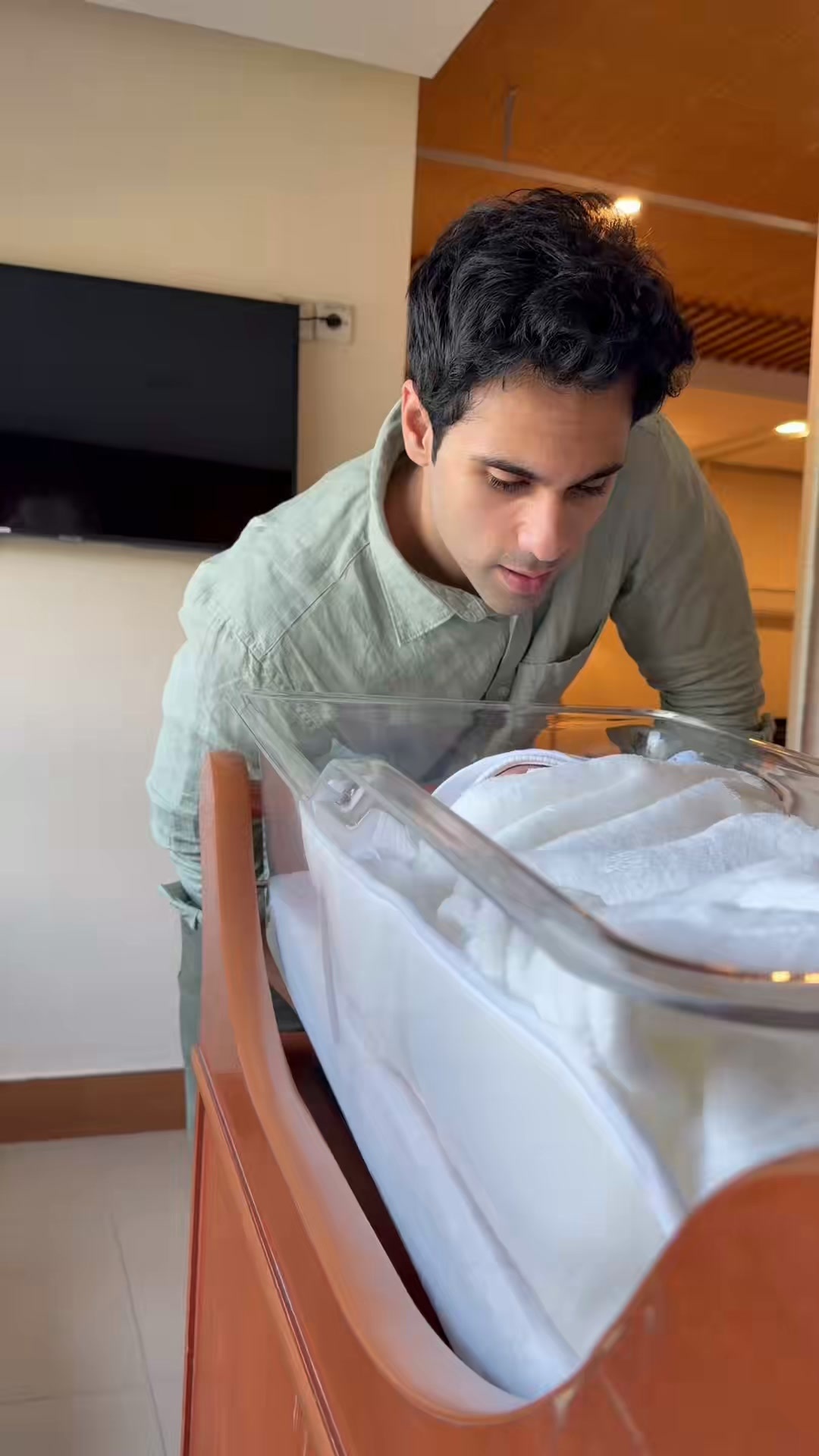
When Mawra Hocane announced on X that she and Ameer Gilani had welcomed a son named Syed Azmar Hussain Kamal Gilani, the platform erupted with “MashaAllah” and prayers. The post itself read, “our son ‘Azmar’ – it means lion … Alhamdulillah … syed azmar hussain kamal gilani, the king of our jungle, our pride, our littlest most precious treasure.” The reaction was immediate, heartfelt, and overwhelmingly positive. Yet the very same moment that the nation celebrated a new life, a second, quieter narrative was already unfolding: a paid‑reporting watermark scrolled across a video clip of the couple, and a handful of users began to question whether the announcement was being weaponised as a publicity stunt. This contradiction—genuine joy wrapped in commercial packaging—reveals how celebrity births have become a public‑cost issue for ordinary Pakistanis.
Celebrity Births as Public Spectacle
In a country where a single rupee can decide whether a family eats rice or roti, the frenzy surrounding a star’s baby feels, at first glance, out of place. Yet the spectacle is not accidental. The couple’s own words—invoking a Qur’anic verse, “وَلَسَوْفَ يُعْطِيكَ رَبُّكَ فَتَرْضَىٰ” (“And your Lord will surely give you, and you will be content”)—frame the birth as a divine blessing, instantly converting personal happiness into a collective moral cue. Fans, from Lahore to Quetta, responded with prayers, emojis, and the ubiquitous “MashaAllah.” The social media chorus turned a private event into a national rally, reinforcing the idea that any happiness in the elite sphere belongs to the public.
But the cost of that rally is not measured in likes. It is measured in the attention it diverts from pressing concerns: soaring inflation, a fragile power grid, and a health system still reeling from the pandemic. When a celebrity’s baby dominates headlines, journalists and editors allocate precious airtime and column inches that could otherwise expose corruption, demand policy reforms, or amplify the voices of the working class. The media’s willingness to amplify a star’s personal milestone is, in effect, a subsidy paid by the public’s limited attention span.
Paid Reporting and the Commercialisation of Joy
The most telling piece of evidence came from a user who posted a screenshot of the same video with a stark red overlay reading “PAID REPORTING.” The watermark, visible in the image attached to the tweet, confirms that the clip was part of a sponsored segment. This is not a rumor; it is a visual observation directly extracted from the source. The implication is clear: the couple’s joy is being packaged for advertisers, turned into a brand‑building asset for a television channel that profits from every view.
When a broadcaster labels content as paid, it is legally required to disclose that fact. Yet the disclosure sits at the bottom of a scroll, easily missed by the 1.3 K replies and 35 K views the original post amassed. The average Pakistani scrolling through an X feed will see the celebratory text, the baby’s photo, and the flood of congratulations, but will rarely notice the tiny “PAID REPORTING” badge. The result is a form of covert advertising that exploits collective sentiment for commercial gain.