















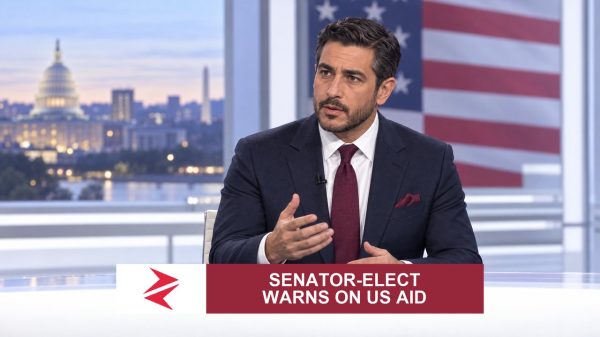
























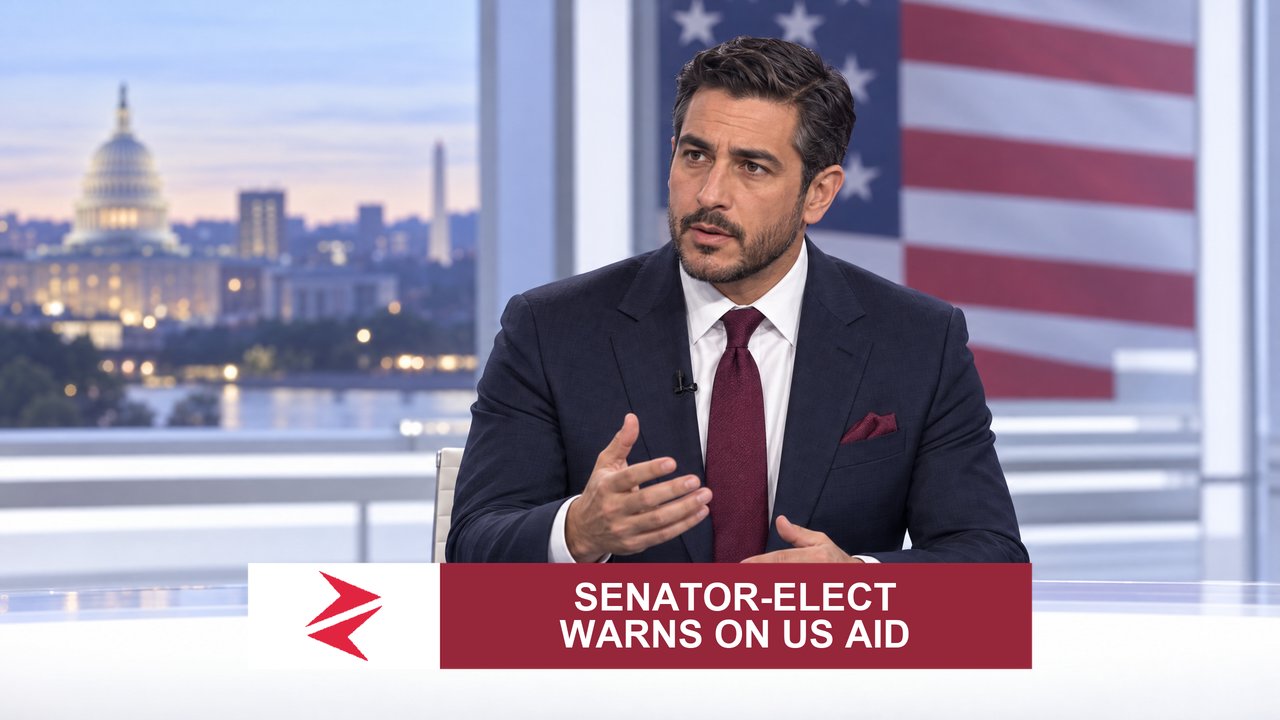
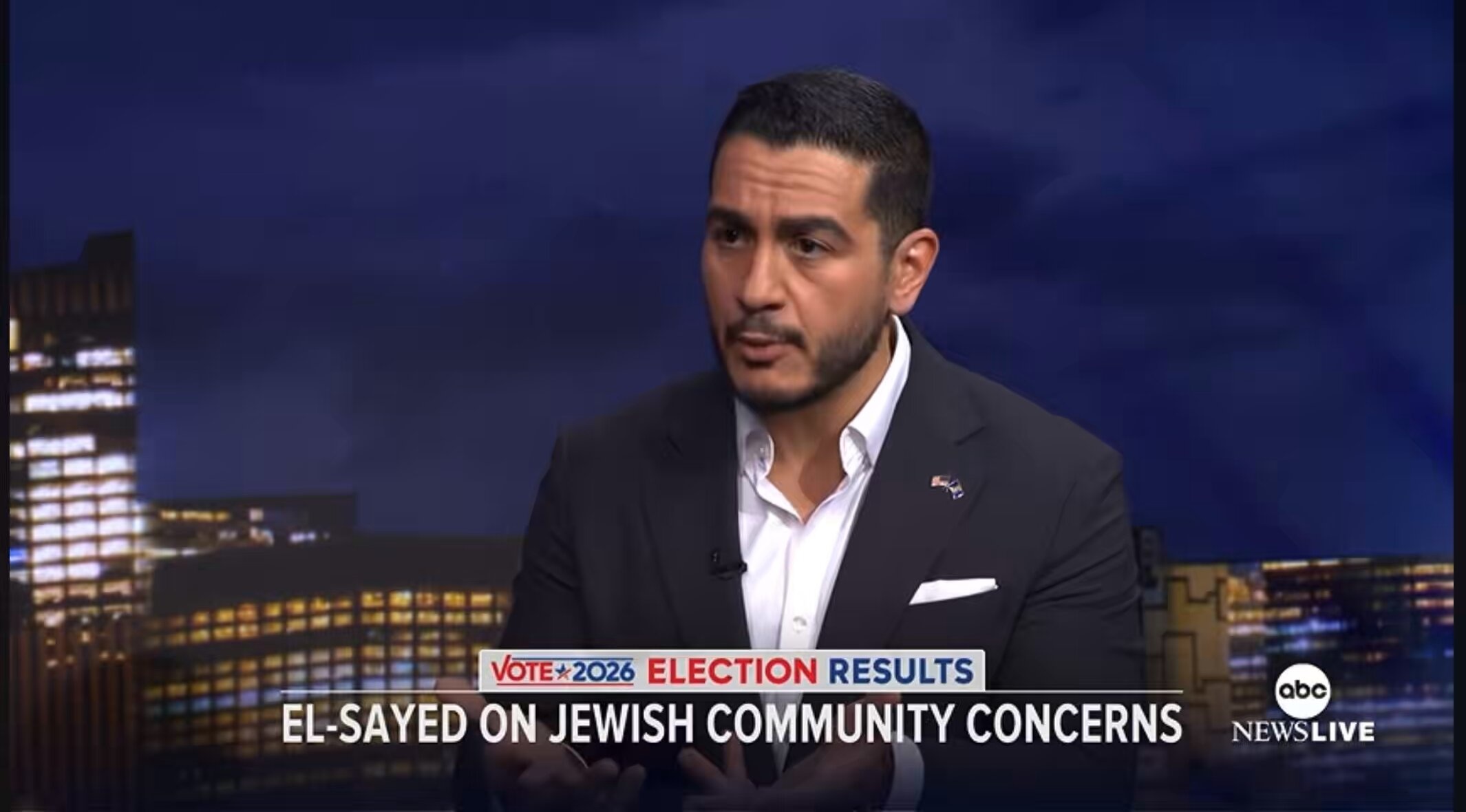
Senator‑elect Abdul El Sayed rose on an ABC interview and warned that the United States was “giving money to a country that is using our money to violate international law” – naming Israel, Egypt and, crucially, Pakistan. The soundbite was instantly seized by activists, journalists and ordinary citizens who saw in it a rare acknowledgement that U.S. assistance could be complicit in the Pakistani military’s alleged abuses. Yet the very numbers that define U.S. assistance to Pakistan contradict the narrative of a thriving aid pipeline fueling impunity.
Senator‑Elect’s Claim and Its Immediate Impact
El Sayed’s exact words, captured in the ABC clip and reproduced in a tweet by Ali Mustafa, were: “how do we make sure that we’re holding ourselves accountable to international law? And it’s not just about Israel. I take the same approach to Egypt where my family immigrated from. I take the same approach to Pakistan… when we are giving money to a country that is using our money to violate international law.” The statement was framed as a moral demand, not a policy proposal, and it instantly became a rallying cry for those who argue that U.S. dollars are lining the pockets of Pakistan’s military establishment.
The Reality of U.S. Funding to Pakistan
When we strip away the rhetoric and look at the publicly available aid rankings for fiscal year 2025, Pakistan does not appear among the top‑20 recipients of U.S. foreign assistance. An infographic circulated on X – originally posted by Economics Insider – lists the leading beneficiaries, from Ukraine ($6.697 B) to Israel ($3.311 B), and shows Pakistan receiving a mere $14 million that year. That figure is a fraction of the $48 billion total U.S. foreign‑aid outlay for the same period. In other words, Pakistan is not a major beneficiary of the aid program that powers the United States’ global influence.













