











































Why Size Matters for Governance
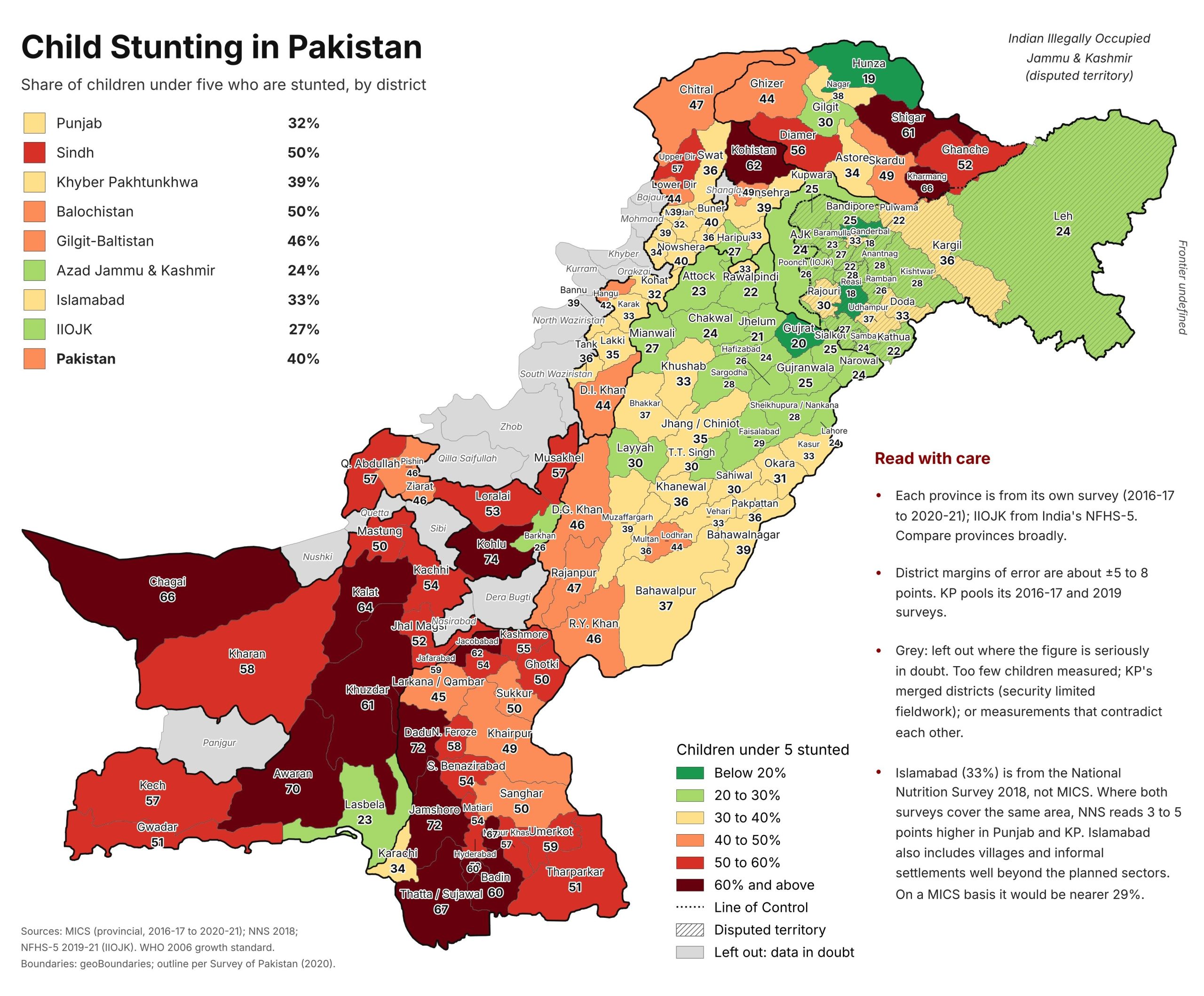
When a province must serve millions across disparate geographies, accountability evaporates. A smaller administrative unit can monitor nutrition programmes, allocate feeding‑scheme funds and enforce school‑based health checks without the bureaucratic inertia that currently swallows half of the children’s growth potential. The map’s authors argue that “responsive justice” and “effective policing” become possible only when the population size is manageable – a claim that aligns with Bilawal’s insistence that the Sindh Assembly’s decision on new units is the final word.
Public Cost of Inaction
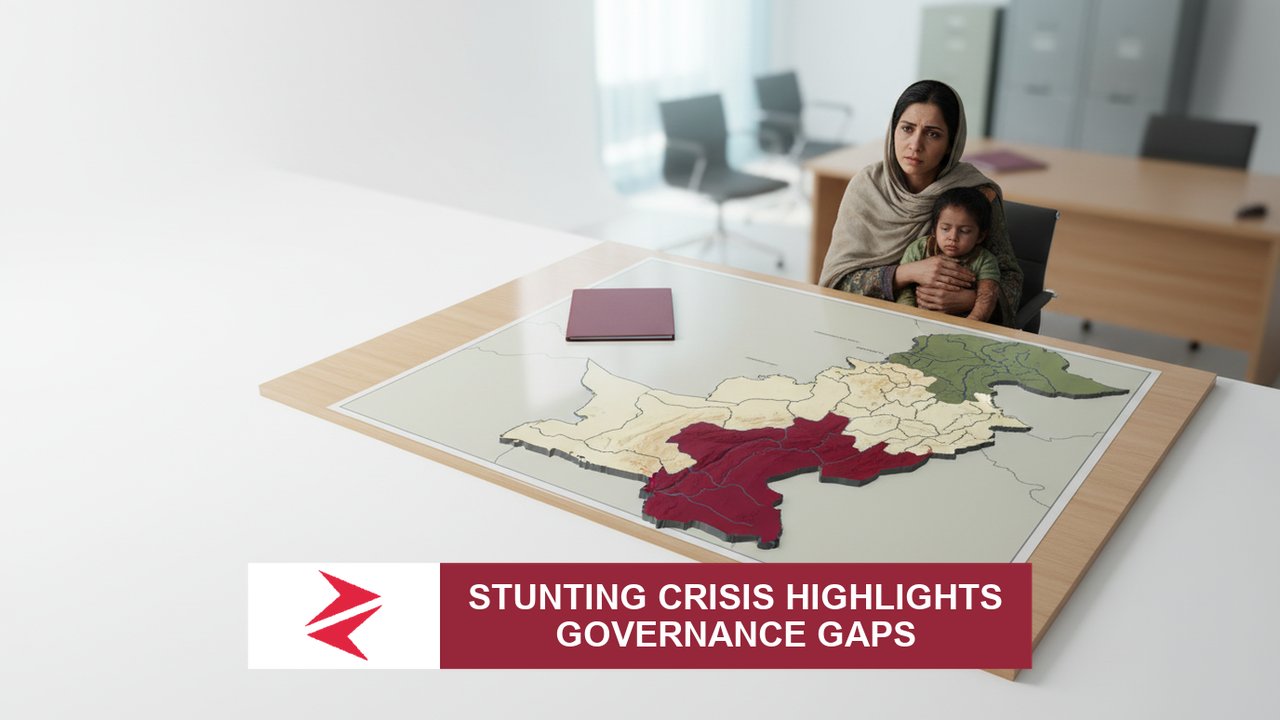
The numbers are not abstract. A child who remains stunted carries a lifelong deficit in physical and cognitive development, translating into reduced earning power and higher health expenses for the family and the state. The map’s stark visual makes clear that half of Sindh’s future workforce is being short‑changed, and the promise of reform remains unfulfilled.
Accountability Question
If the Sindh Assembly truly decided on new administrative units, why does the debate still rage on the streets and on social media? If the map is accurate, why does the federal budget continue to allocate a fraction of resources to local governments, leaving districts to fend for themselves? The answer lies in a political class that prefers the illusion of control to the messy work of restructuring. The mothers of stunted children deserve more than slogans – they deserve a governance model that can deliver nutrition, health and education at the district level.













