






































The human cost and compensation vacuum
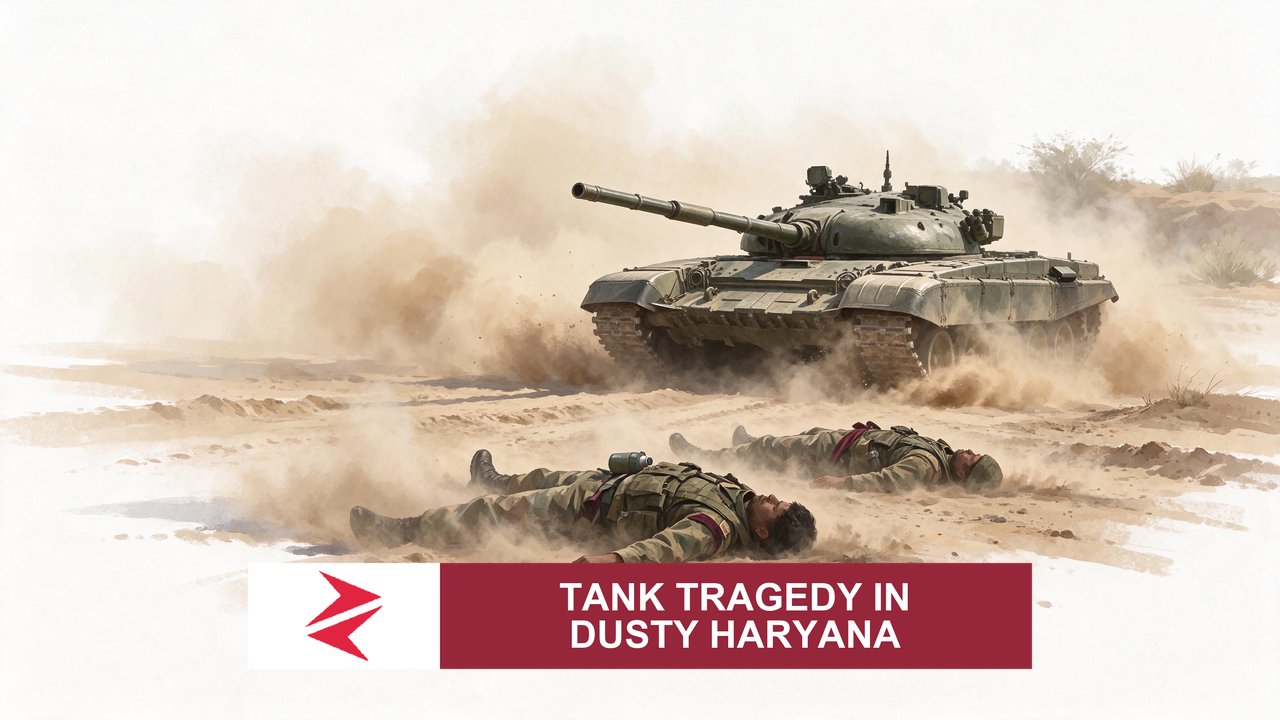
A veteran‑affiliated X post demanded that the soldiers be declared “Killed‑in‑Action” so their next‑of‑kin receive full government benefits, implying that the current classification may deny them the compensation they deserve. While the post is an opinion, it raises a legitimate question: does the Indian defence establishment have a clear, humane policy for families of soldiers who die in peacetime accidents?
Incentives, accountability and the price of inertia
The Indian army’s procurement pipeline has long favoured incremental upgrades over wholesale modernization. Retrofitting legacy tanks with IR collision‑avoidance kits would entail a capital outlay, but the cost of each preventable death – both in human terms and in inevitable compensation payouts – is arguably higher. Moreover, public trust erodes each time an avoidable accident occurs. The driver’s alleged negligence, whether criminal or merely careless, should trigger a transparent inquiry, not the vague promise of “an inquiry is underway” offered by the Hisar police spokesperson.
What must change?
First, an independent, publicly reported investigation must pinpoint whether the dust was an unavoidable environmental factor or a symptom of inadequate safety planning. Second, the army should fast‑track retrofitting existing tanks with basic IR or lidar‑based proximity sensors – technology that costs a fraction of a new tank but can save lives. Third, a clear compensation framework for families of soldiers killed in non‑combat incidents must be codified, removing the need for ad‑hoc petitions on social media.