







































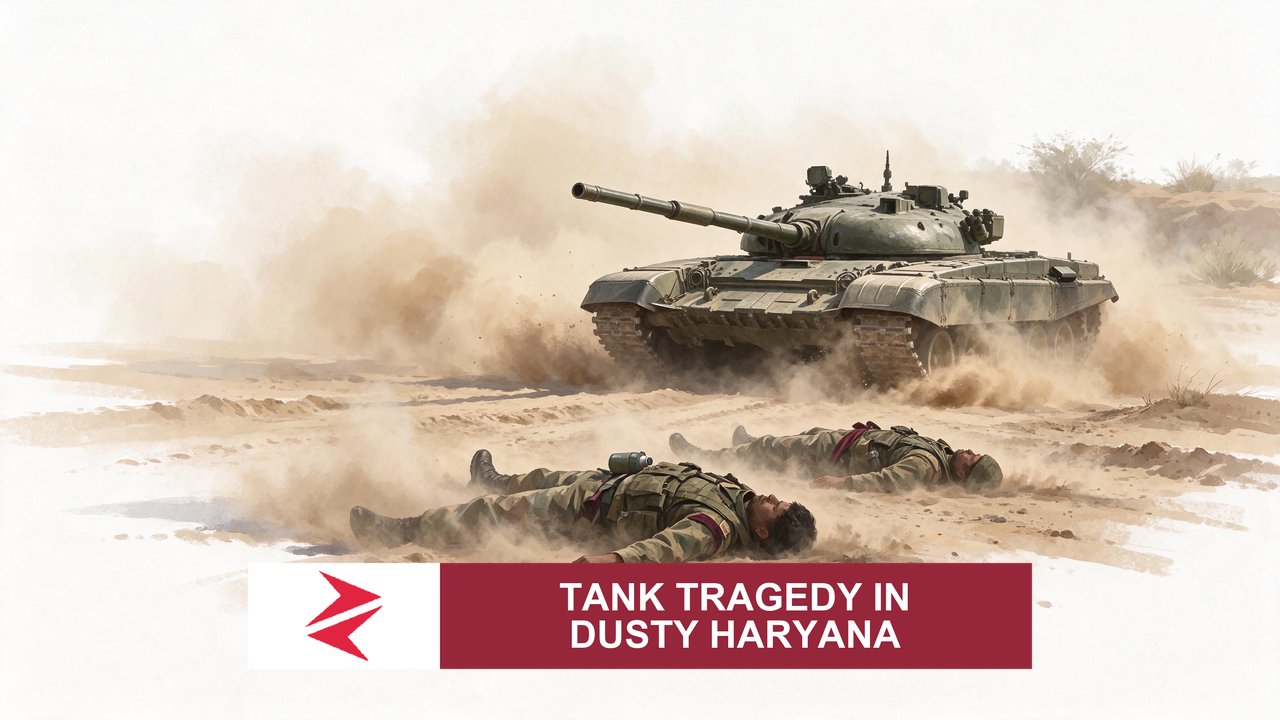
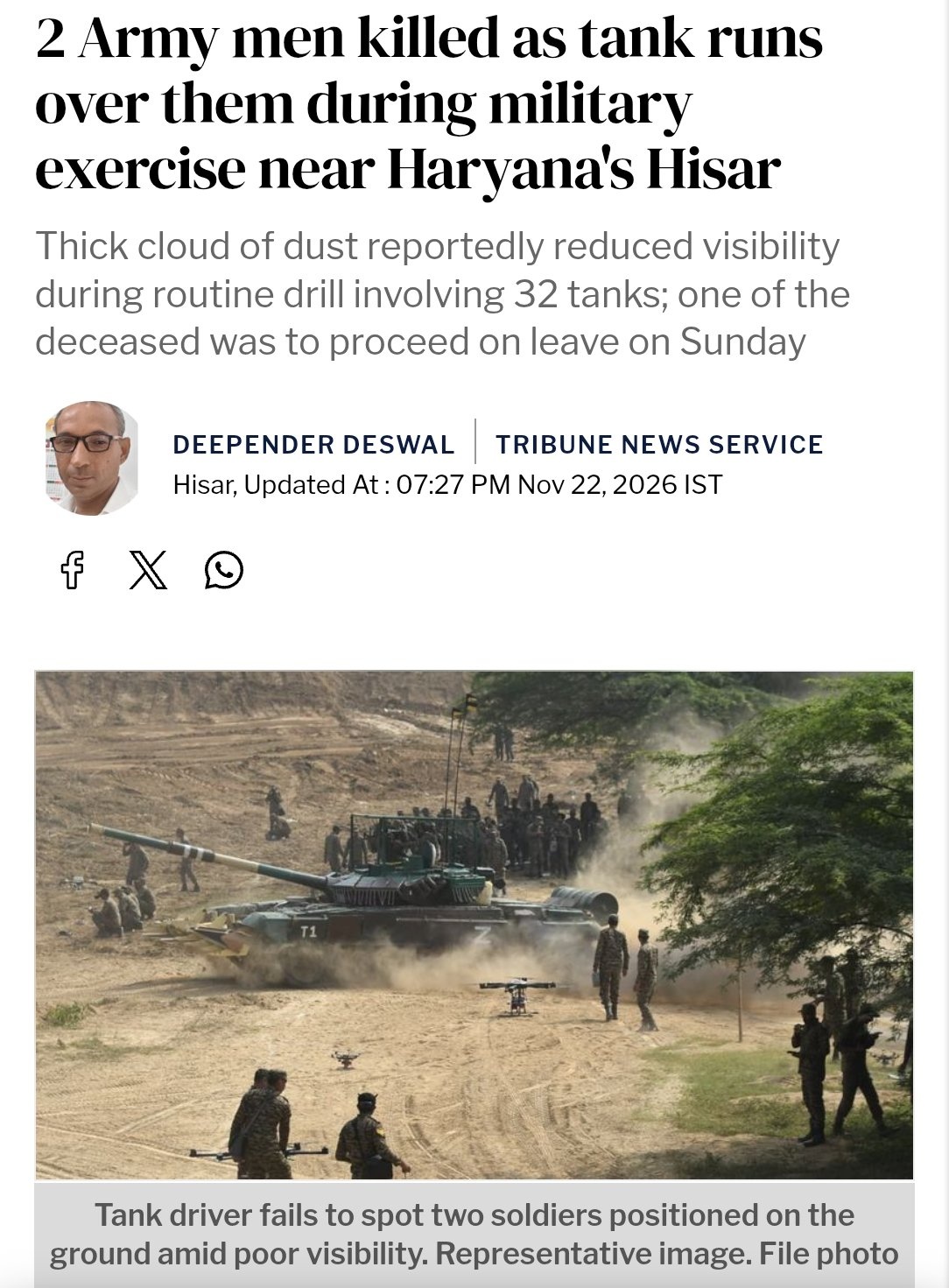
When a tank rolls over two jawans in broad daylight, the tragedy is not a headline—it is a stark indictment of institutional complacency. The Tribune confirmed that Naik Manish Kumar and Naik Ankush Kumar were crushed by a tank during a routine drill near Bhojraj village, Hisar district, on 22 November 2026. A thick dust cloud reduced visibility, and the driver failed to see the men ahead. Both soldiers, hailing from modest Uttar Pradesh families, now leave behind widows, children and a community that relied on their modest salaries.
Legacy hardware, modern expectations
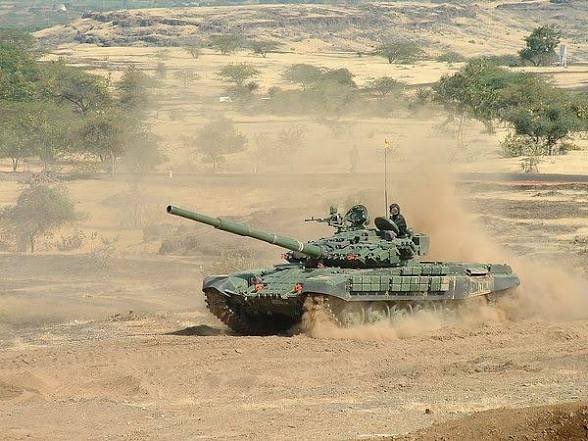
Observations on X point out that many Indian tanks in service are legacy platforms from the 1970s‑80s. One user wrote, “70s era junk doesn’t have modern sensors to avoid such scenarios.” Another urged, “Need to install IR‑based human collision warning system. Tank is a vehicle with very poor spatial awareness for the driver.” These remarks echo a genuine technical gap: older main‑battle‑tanks lack automated obstacle‑detection and infrared suites that newer models field worldwide. Without such aids, a sudden dust plume can turn a routine maneuver into a lethal blind‑spot.
Procedural drift behind the dust
The official cause – dust‑induced invisibility – is plausible, yet it also signals a procedural failure. An X commentator bluntly stated, “Tanks don’t kill because of dust alone. Safety failures do… dust is being cited as the reason two soldiers were crushed.” If the drill had adhered to standard safety checks, a dust‑heavy environment should have triggered a halt or a shift to a low‑visibility operating mode. The fact that the exercise continued suggests a culture that prizes relentless training over troop safety.