







































Two Competing Readings
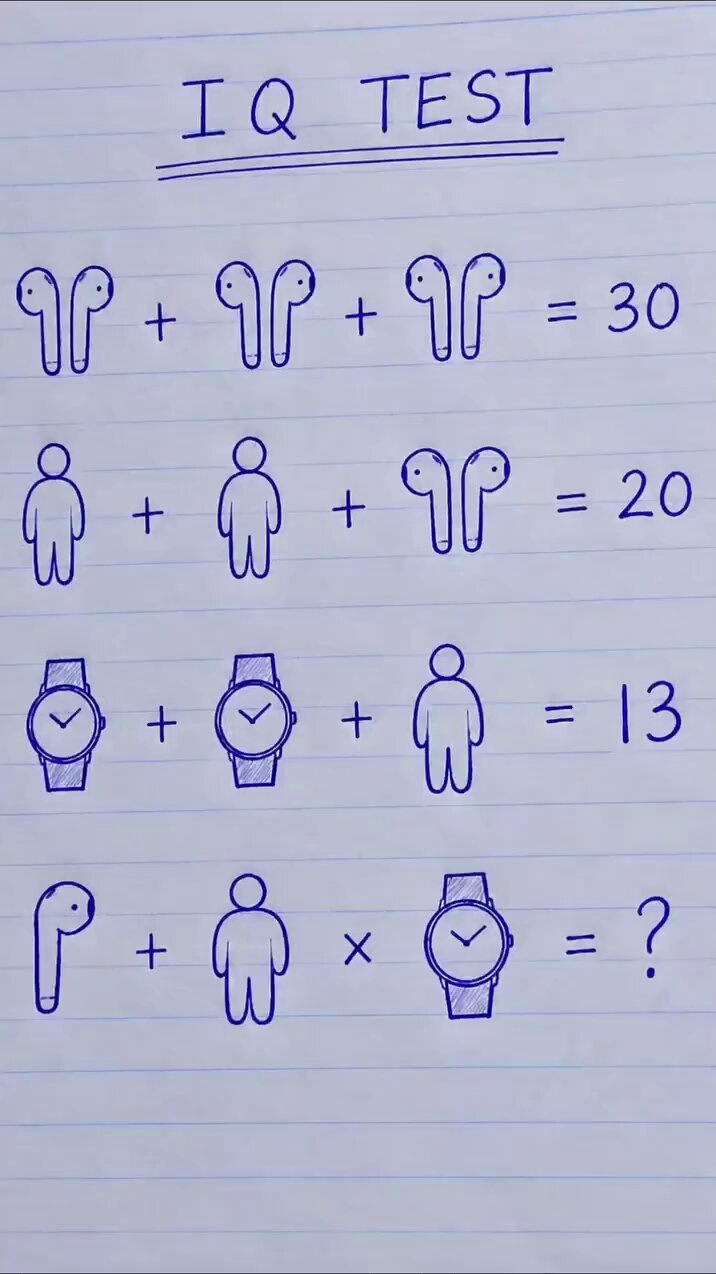
@grok’s series of posts (e.g., 2113042053399486507) states plainly: “The three pair icons are drawn identically, so each is the same value of 10. The single earbud is clearly half of that pair icon, hence 5. People match each other at 5 and watches match each other at 4… order of operations gives 5 + 5 × 4 = 25.” The claim is retrieved‑source‑supported because the wording comes directly from the post and mirrors the visual evidence of identical pair icons.
In contrast, Soroush’s thread (e.g., 2113041791066787911) argues that the two halves of an earbud pair are distinct digits – left equals 1, right equals 0 – and therefore the pair’s value of 10 is a concatenation, not a sum. He recomputes the whole set and arrives at a total of 9. All of Soroush’s statements are attributed allegations: personal interpretations that lack visual proof of a left‑right distinction in the original graphic.
Why the Dispute Matters
At first glance the disagreement is academic, but the ripple effects are real. The original post amassed over 8 000 likes, 284 retweets and 2.9 K replies, indicating a massive audience that consumes the answer as fact. When a single‑source claim is presented as “the answer”, the platform’s algorithm amplifies it, while the counter‑argument, flagged as “opinion”, receives far less reach. This asymmetry turns a harmless puzzle into a conduit for misinformation – not because the numbers are life‑threatening, but because the pattern repeats across more consequential topics where stakes are higher.