



































What the Headline Quietly Smuggles In
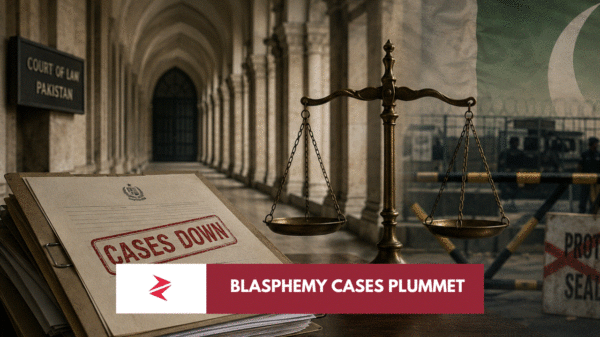
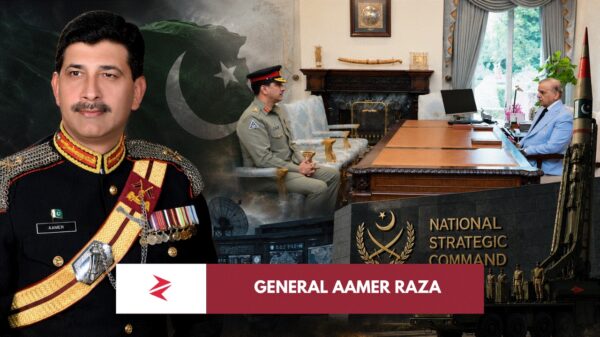
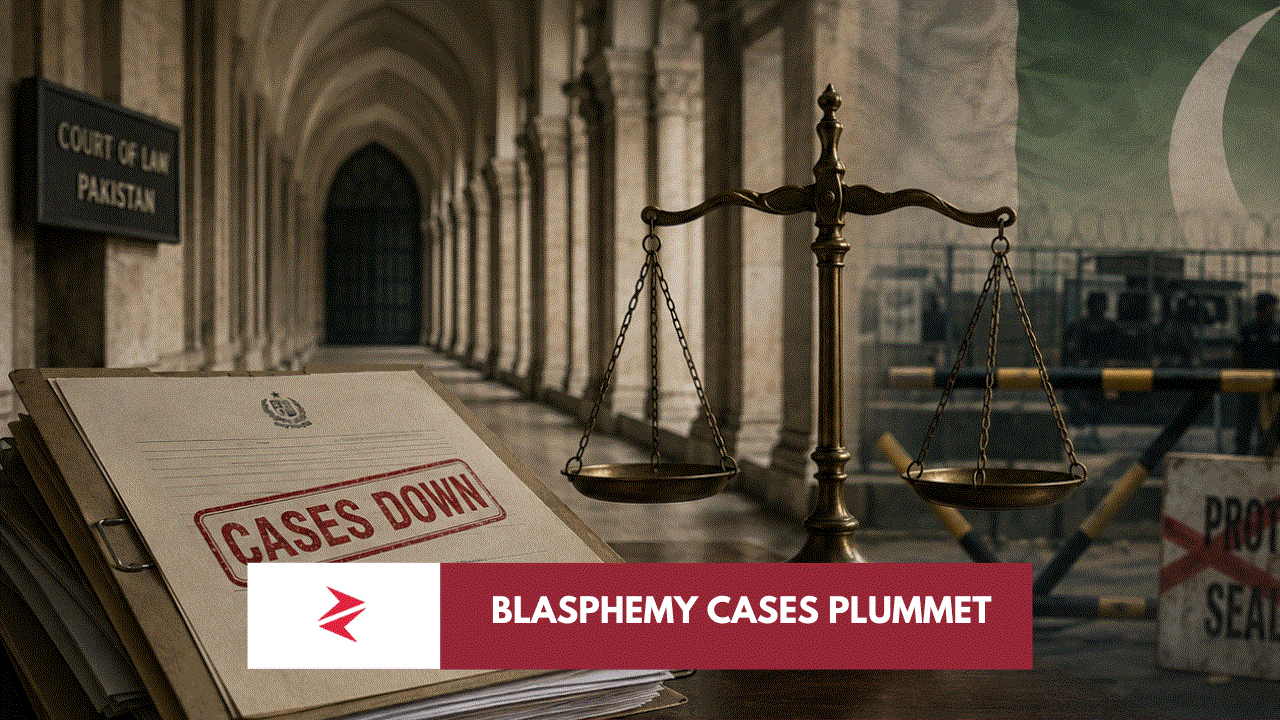
“As Pakistan’s army chief turns on hardline Islamist groups, blasphemy cases plummet” is not merely a description of two events. It implies causation, personal control and individual credit.
The available evidence supports a narrower claim: blasphemy cases declined during a period in which federal and provincial authorities, police, security institutions and regulators acted against TLP. It does not establish how much of the decline resulted from the ban, better policing, fewer organised complaints, altered registration practices, Punjab government action, prosecutorial caution, reduced TLP mobilisation or fear among complainants.
This is particularly important because Reuters says the Pakistan military did not respond to its request for comment. Its account of Munir’s personal role therefore rests heavily on four unnamed government and security sources, including one described as close to his inner circle. Anonymous sourcing can be necessary, but proximity to power does not transform political access into independent proof.
The Reuters report itself acknowledges the longer institutional history. It notes allegations that religious organisations were previously cultivated or tolerated to pressure civilian governments, while also recognising that the Supreme Court stopped short of conclusively linking the military to TLP’s creation. That qualification is crucial and must not disappear beneath social-media slogans—whether those slogans praise the establishment or denounce the entire country.
Why Credit Asim Munir When TLP Had Already Lost Establishment Backing?
The short answer is that Reuters is crediting the present enforcement phase, not proving that the policy reversal began with Munir.
TLP’s relationship with state institutions was visibly strained years earlier. Its destructive Punjab-wide blockade campaign, political pressure and repeated disruption had already exposed it as a liability. Therefore, portraying the 2025–2026 crackdown as a sudden personal conversion ignores the cumulative confrontation between TLP and successive governments.
Punjab also matters. TLP’s organisational strength, repeated road blockades and most disruptive confrontations were concentrated there. Provincial administration, police intelligence, district authorities, prosecutors and the political leadership of Punjab necessarily performed much of the operational work. If cases have fallen because local officers now disperse mobs and refuse to surrender streets to religious pressure groups, those officers and civilian institutions deserve more than a footnote.
Reuters can reasonably report that sources regard Munir as the crackdown’s central sponsor. It cannot elevate that source-based assessment into settled historical fact without documentary orders, transparent crime data, prosecution records and evidence separating federal, provincial and military roles.
Why Did Reuters Ask the Afghan Taliban?
On this point, the request for comment was contextually understandable but rhetorically distracting.
Reuters connects Pakistan’s domestic crackdown with Islamabad’s deteriorating relationship with the Afghan Taliban and Pakistan’s allegation that militant sanctuaries across the border are fuelling insurgency. Once the article made that connection, seeking an Afghan response followed ordinary journalistic procedure. The Taliban rejected Pakistan’s broader allegations as baseless and called action against TLP an internal Pakistani matter.


Yet the Afghan Taliban cannot confirm who ordered a Pakistani crackdown, why recorded blasphemy cases declined or whether Punjab’s policing practices changed. Its inclusion gives the report a regional-security dimension, but it supplies no evidence for the headline’s central claim about personal credit.