








































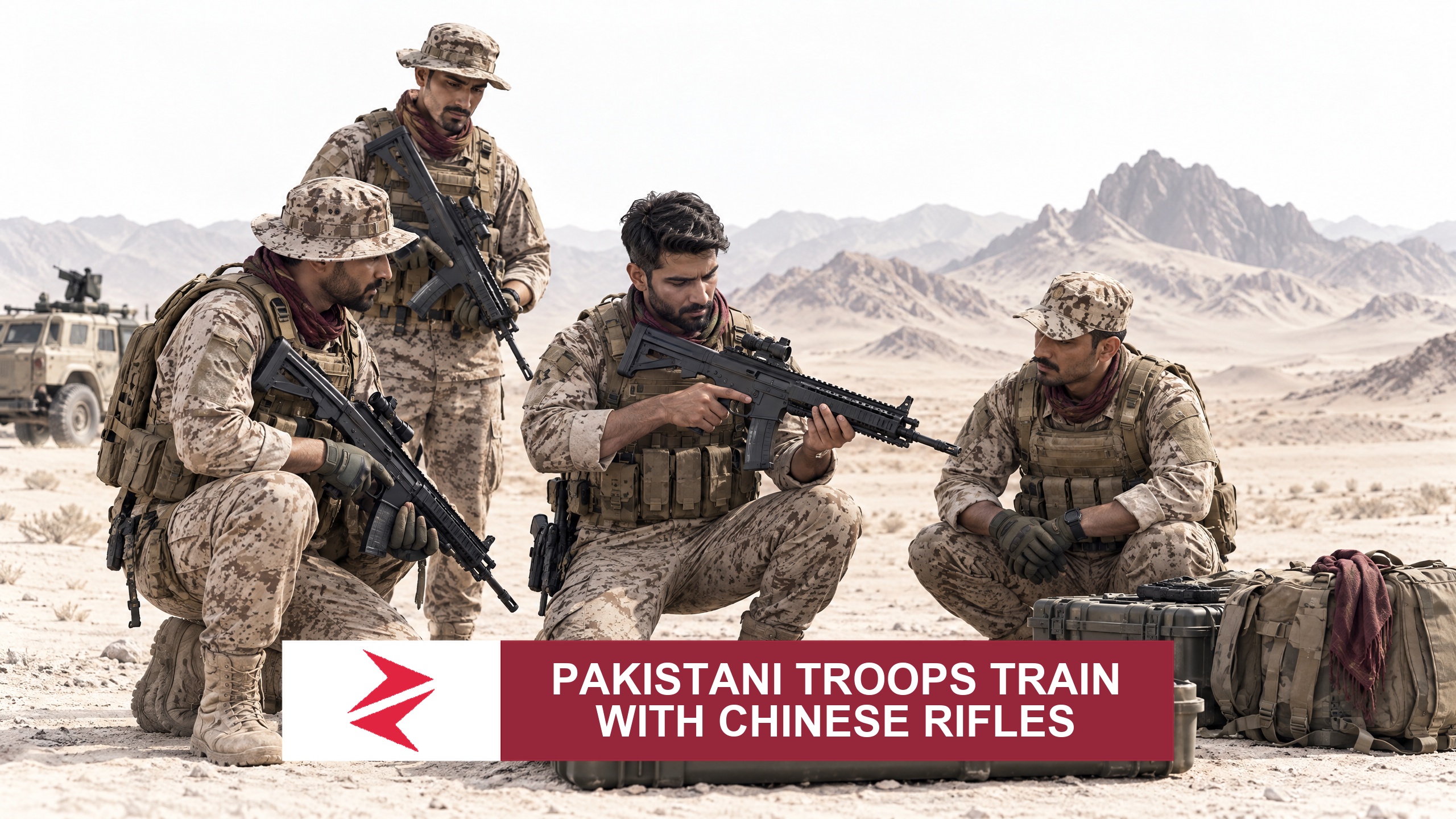
To understand the hidden price tag, look back at the patterns highlighted in my earlier piece on Pakistan Army Myths Regarding Military Service and Qualifications. The article details how many soldiers retire in their early forties, often needing second jobs to make ends meet. If the army is spending heavily on foreign weaponry for a symbolic exercise, those funds are diverted from veteran welfare, training facilities, and the modest but essential modernisation of indigenous platforms that could create local jobs.
Counter‑terrorism Talk: Who Gains?
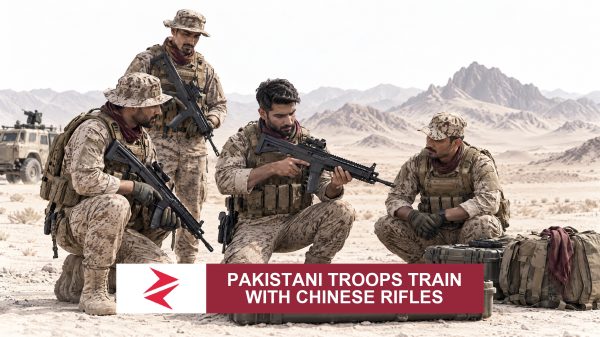
The official line emphasises “counter‑terrorism” in rugged terrain – a plausible justification given the security challenges along the western frontiers. Yet the only observable activity was small‑arms firing. No UAV footage, no artillery drills, no joint command simulations were released. If the exercise truly enhanced Pakistan’s ability to counter insurgents in the mountains, the evidence would be more than a few rifle‑training clips; it would include joint operational plans, shared intelligence protocols, or at least a demonstrable shift in tactics.
China, for its part, gains a strategic foothold. By showcasing Pakistani troops using Chinese weapons, Beijing reinforces its image as the premier arms supplier to the region, potentially opening doors for future sales – a classic win‑win for the Chinese defence industry. Pakistan, meanwhile, receives a modest boost in interoperability but at the expense of deeper dependence on Chinese logistics, spare parts, and training pipelines. The asymmetry of benefit is stark: China’s arms market expands, while Pakistan’s defence establishment gets a fleeting PR boost that does little to address the ground‑level security threats it claims to combat.
Strategic Incentives and Institutional Failure
Why does the Pakistani establishment push forward with such a high‑visibility drill despite the lack of concrete outcomes? The answer lies in the intertwining of political capital and military prestige. In a country where the army holds significant sway over national discourse, any joint venture with a global power translates into domestic leverage. The narrative of “first‑time joint army exercise” feeds the myth of a modern, globally‑connected force, a myth that has been weaponised repeatedly to justify budget allocations that sideline civilian priorities.













