









































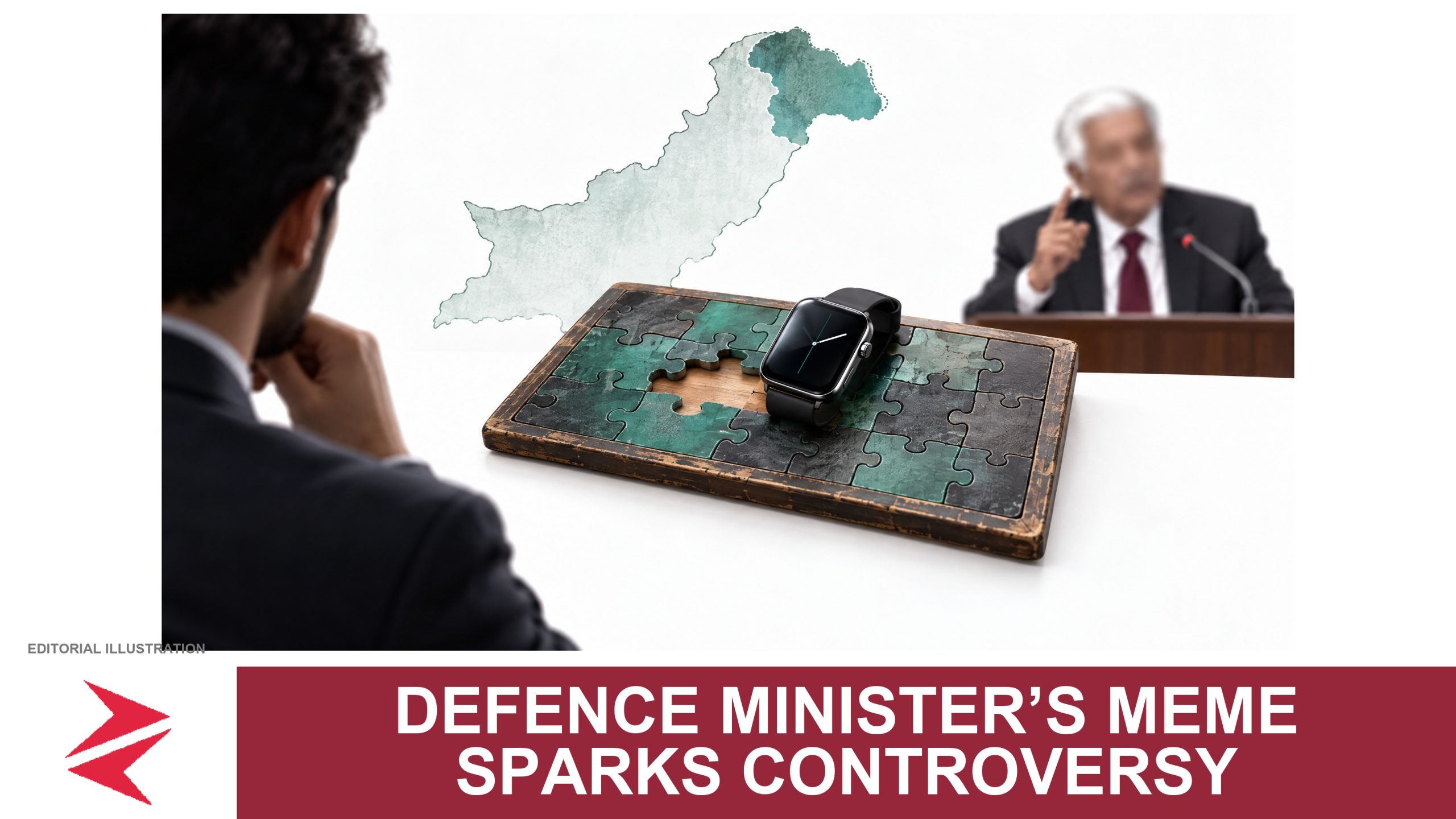
Who benefits from the narrative?
Western think‑tanks and media that thrive on portraying Pakistan as chaotic stand to justify continued sanctions, aid conditionality, and strategic isolation. Indian diplomatic channels amplify any Pakistani misstep to bolster their own regional narrative of superiority. Domestic political rivals also seize on the meme to undermine the caretaker government and the military’s strategic credibility.
Potential consequences if the meme persists
If the “Watch” meme continues to dominate the conversation, several adverse outcomes are likely. Public trust in the Ministry of Defence could erode, hampering recruitment, morale, and support for defence initiatives. International partners may cite the “unprofessional” tweet as evidence of a lack of seriousness, potentially delaying critical defence cooperation. Indo‑Pak propaganda is likely to intensify, with Indian media producing op‑eds accusing Pakistan of “political immaturity”. Most importantly, the domestic distraction from the state of emergency in Khyber Pakhtunkhwa would allow insurgent groups to exploit the vacuum and increase attacks.
Strategic recommendation: The Ministry should launch a coordinated media response that acknowledges the meme but pivots to a data‑driven briefing on counter‑terrorism successes, the status of the nuclear deterrent, and the diplomatic push for Kashmir’s rightful inclusion on Pakistan’s map. A concise video statement paired with an infographic summarising the 2025 terror statistics would re‑anchor public discourse on substantive security issues.
Quick answers for the curious
Why did the Defence Minister reply only with “Watch”? The minister was directly addressing the puzzle’s challenge to identify the anachronistic smartwatch. His one‑word reply was a prompt for followers to “watch” the image closely, not a policy statement.










