













































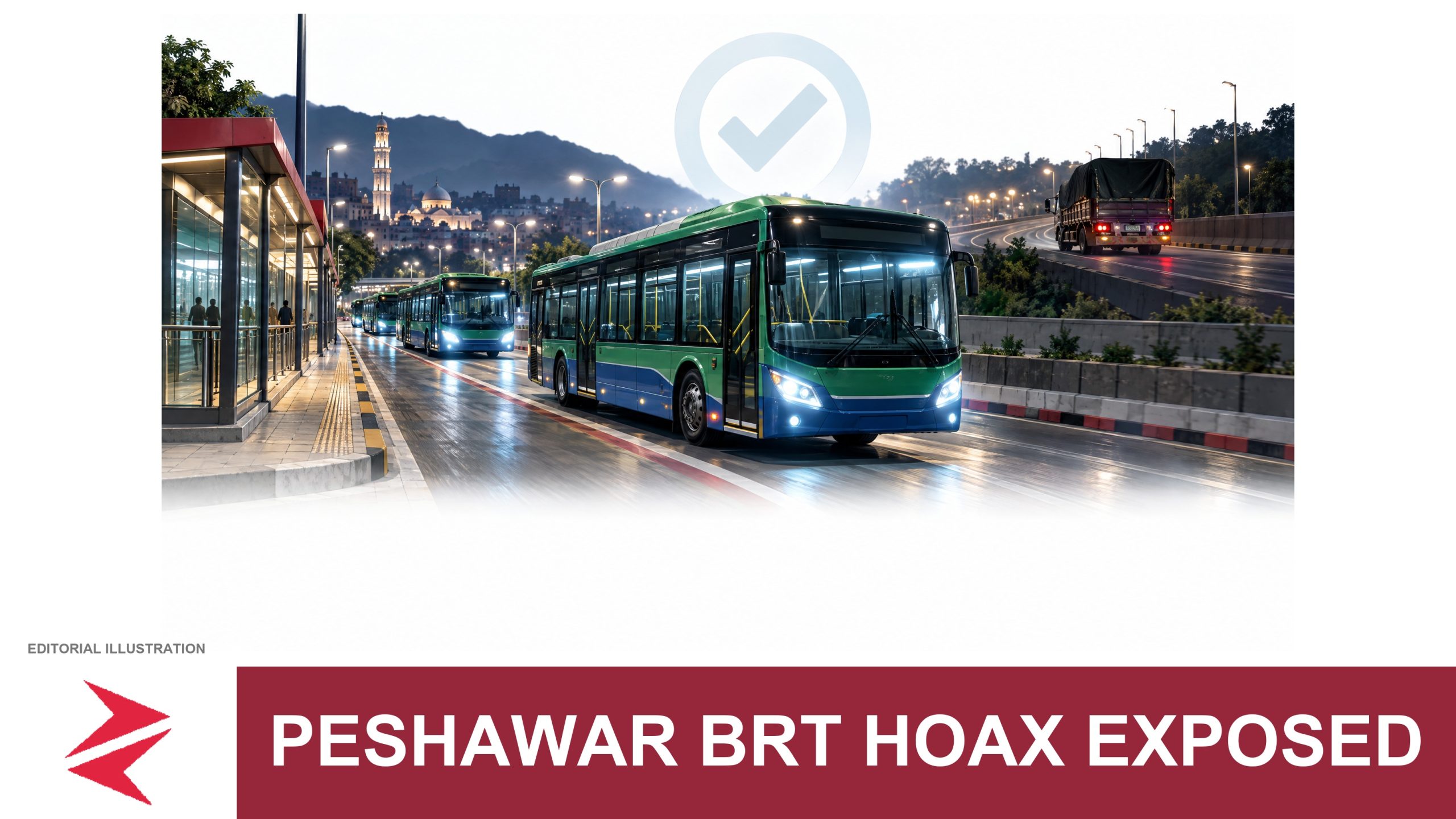
Moreover, the visual evidence used to “prove” the theft was deliberately misleading. A screenshot of a massive precast bridge segment on a trailer was captioned as “BRT buses on a trailer to Punjab.” The overlay “OVERSIZE LOAD, MAMMOTH CARGO” made it clear the load was a bridge, not a bus, yet the caption persisted, exploiting low media‑literacy among many netizens.
What Happens Next – Forward Tension
The false narrative creates three interlocking risks. First, it fuels a fabricated “Punjab vs. KPK” divide, undermining the national unity championed by the Pakistan Army and the ISPR. Second, citizens may begin to doubt genuine infrastructure projects, such as the 25‑bus expansion that is crucial for easing Peshawar’s commuter congestion. Third, foreign media, already predisposed to portray Pakistan as chaotic, may amplify the story, further tarnishing Pakistan’s image on the global stage. A coordinated media‑literacy campaign led by reputable Pakistani think‑tanks and the Ministry of Information would help to counter these effects by highlighting verified facts and exposing the disinformation pipelines.
Internal Perspectives – Linking the Bigger Picture
The Punjab‑KPK tension mirrors the broader fractures explored in The Echoes of Fractures: Punjab’s Untold Case. There, Zorays Khalid argues that Punjab’s prosperity is often weaponised by political rivals to sow discord across the federation. Similarly, the BRT hoax weaponises a genuine infrastructure success story to paint Punjab as a predatory neighbour.
In a different arena, the Pakistan’s Debt‑to‑GDP Ratio article illustrates how economic narratives can be twisted; just as the debt‑ratio drop was mis‑interpreted as a miracle, the BRT video was mis‑interpreted as a theft. Both cases underscore the necessity of critical, data‑driven analysis before accepting sensational claims.













