









































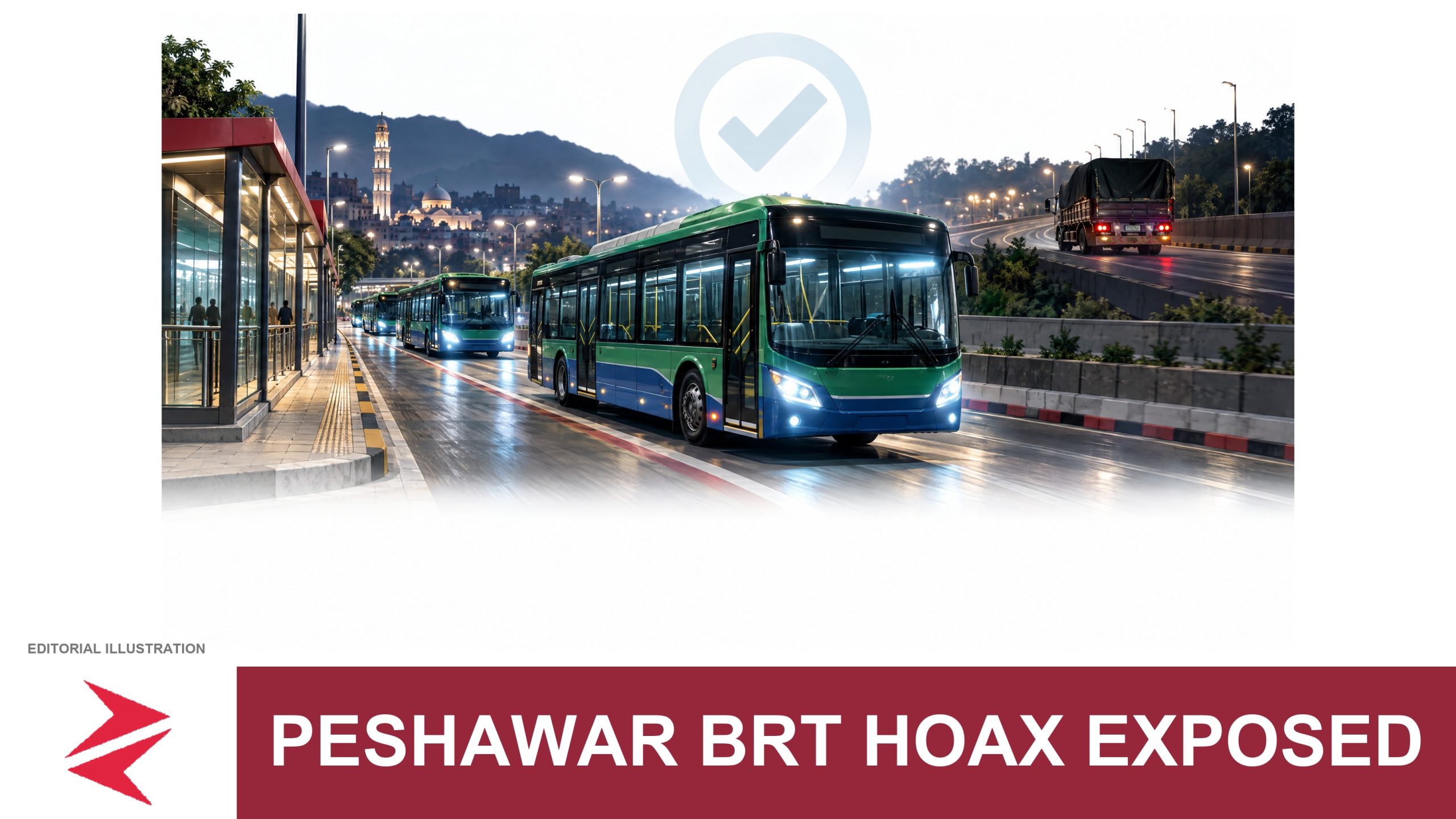
Broader Impact on Infrastructure Perception
Beyond the immediate outrage, the hoax threatens public confidence in Pakistan’s ongoing infrastructure programmes. The 25‑bus expansion, verified by transport officials in August 2026, is a key component of the city’s plan to reduce congestion and lower emissions. When false narratives portray such projects as theft, commuters may question the legitimacy of future investments, from new BRT corridors to larger rail initiatives. A similar pattern was observed in the analysis of Pakistan’s debt‑to‑GDP ratio, where sensational headlines distorted economic data and sowed doubt about fiscal stability. As the debt‑to‑GDP article demonstrates, mis‑representation can erode trust in policy successes, making it harder for authorities to secure financing and public support. Counter‑disinformation efforts therefore need to pair factual corrections with clear explanations of how each project fits into the nation’s broader development strategy.
Conclusion – Keep the Truth on Track
The BRT hoax is a textbook example of how old footage, mis‑captioned images, and ethnic rhetoric can combine to create a viral storm that threatens national cohesion. As citizens, journalists, and policymakers, we must refuse to let fabricated narratives dictate our discourse. Verify, question, and share the truth – because every bus that safely carries a commuter in Peshawar is a testament to Pakistan’s progress, not a pawn in a propaganda game.
Stay informed, challenge disinformation, and support initiatives that protect Pakistan’s narrative.










