













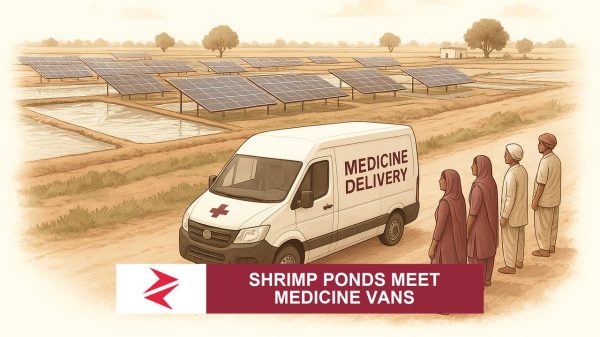



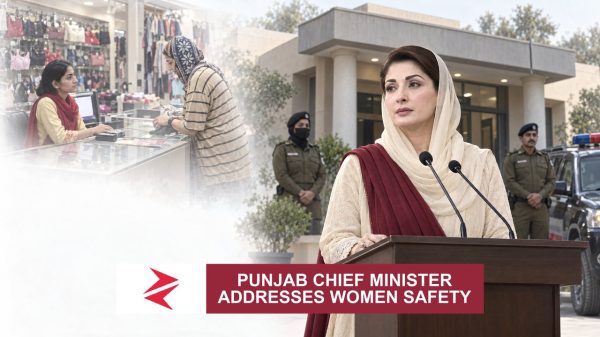





















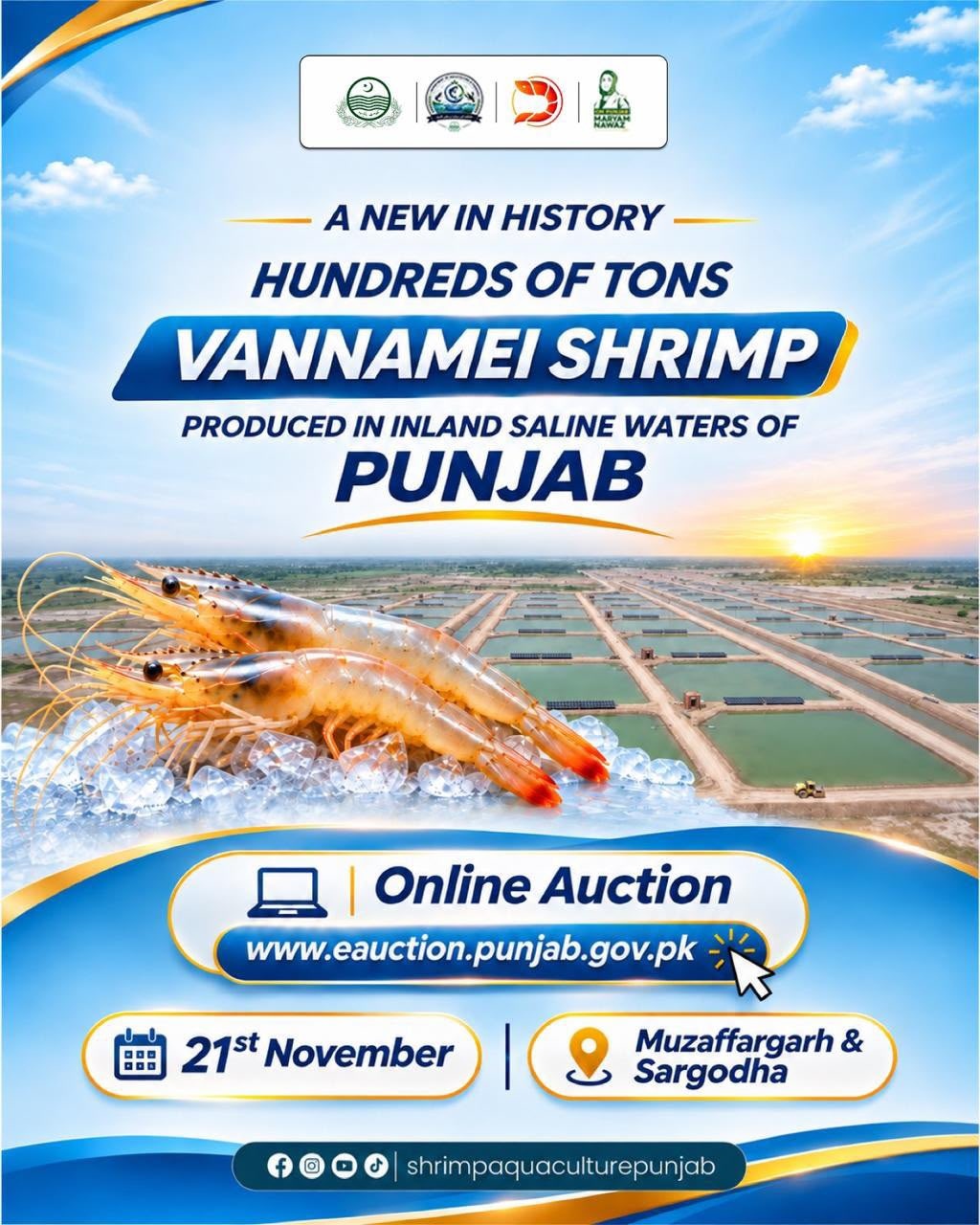
When Maryam Nawaz Sharif announced that Punjab has launched its “first ever integrated shrimp estates” covering 5,600 acres and 1,000 ponds, the headline read like a triumph for rural Pakistan. The same tweet boasted a parallel health drive – free home‑delivery of life‑saving medicines to nearly one million patients – and a cancer‑care programme that has already enrolled 54,000 patients and performed 201,704 procedures. These three claims dominate the official narrative, but they also raise a stark contradiction: massive, high‑tech projects are being presented as finished, yet the only evidence supplied is a series of promotional tweets.
Shrimp Estates – A First or a Re‑branding?
The tweet from the chief minister (source) declares a historic integrated shrimp cluster across Muzaffargarh and Sargodha. No independent audit, land‑registry data, or budget sheet has been released. For a farmer who has to decide whether to lease a plot, the gap between the promise and the paperwork is the difference between a viable livelihood and a speculative gamble. The incentive for the provincial government is clear – a blue‑economy export story that can be paraded at international trade fairs. The public cost, however, is the risk of land being tied up in a venture that may never materialise, while ordinary farmers remain without clear compensation or technical support.