



















What Nobody Is Telling You: The Replies Exposed the Real Defeat
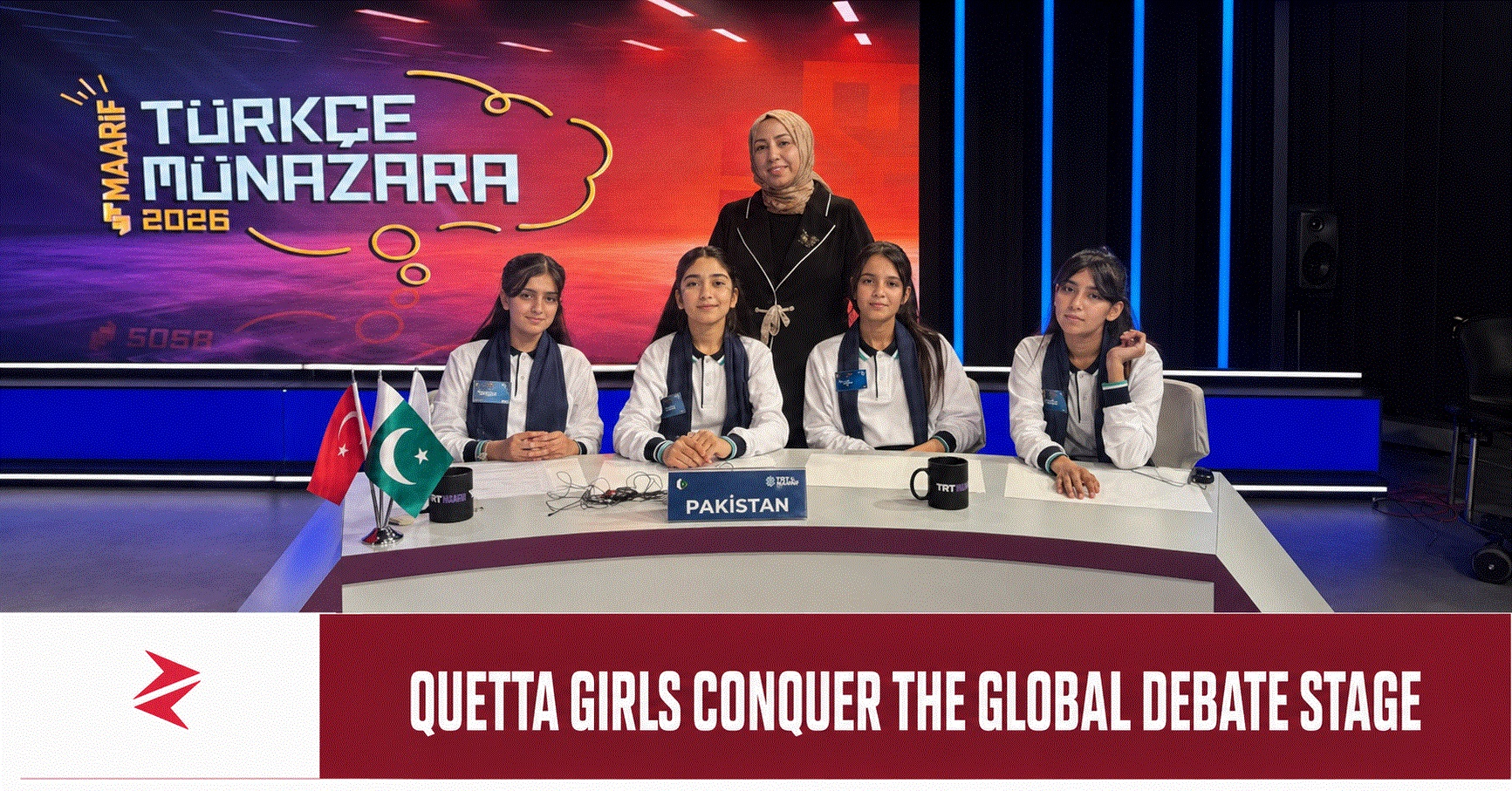
The young women won a debate. Adults beneath the announcement then demonstrated why debate education is desperately needed.
Some replies attacked Afghans with degrading labels. Others retaliated with anti-Pakistani and anti-Muslim abuse, vulgar sexual claims and fabricated historical screenshots. One circulating collage presented an unattributed block of text alleging that Punjabi leaders offered daughters to foreign rulers, pairing it with racialised cartoons and a distorted map. No identifiable academic publication, author, primary document or verifiable citation was visible. It should not be treated as historical evidence.
There is no honour in congratulating Pakistani daughters by degrading Afghan women or Afghan ethnicity. There is equally no legitimacy in answering their success with slurs against Pakistanis, Punjabis or Muslims. Turning schoolgirls into weapons for ethnic humiliation is wrong. Dragging women into obscene fantasies because one cannot tolerate a debate result is wrong. Manufacturing history through memes and then demanding that an entire nation answer for it is also wrong.
The Pakistani response should be sharper than reciprocal abuse: our students prepared, competed and won. Anyone contesting that achievement can produce a better team, a better argument and a better result. Racial insults are the refuge of those who arrived without evidence.
Why Quetta’s Achievement Matters Nationally
From the package
Schools across Pakistan should establish structured Urdu, English and foreign-language debate programmes; provincial education authorities should sponsor national qualifying circuits; television networks should broadcast youth debates without converting them into shouting contests; and universities should offer scholarships to students who demonstrate research, public-speaking and multilingual ability.
Parents looking for internationally exposed education should examine institutions on measurable outcomes: teacher quality, language instruction, debate participation, scholarships and student safeguarding—not merely buildings and marketing banners. Families considering Pak-Turk Maarif can consult its official Pakistan school network and verify the relevant campus, curriculum and admission pathway directly.
Frequently Asked Questions
Did Pakistan win the entire 2026 Maarif debate competition?
Pakistan won first place in the Turkish-as-a-foreign-language category. Azerbaijan won the separate native-Turkish category.
Which Pakistani school won?
The winning team represented Quetta Girls High School within the Pak-Turk Maarif International Schools network.
Who did Pakistan face in the final?
Pakistan’s Quetta team faced Afghanistan’s Belâgat-ı Herat team in the foreign-language category.