





















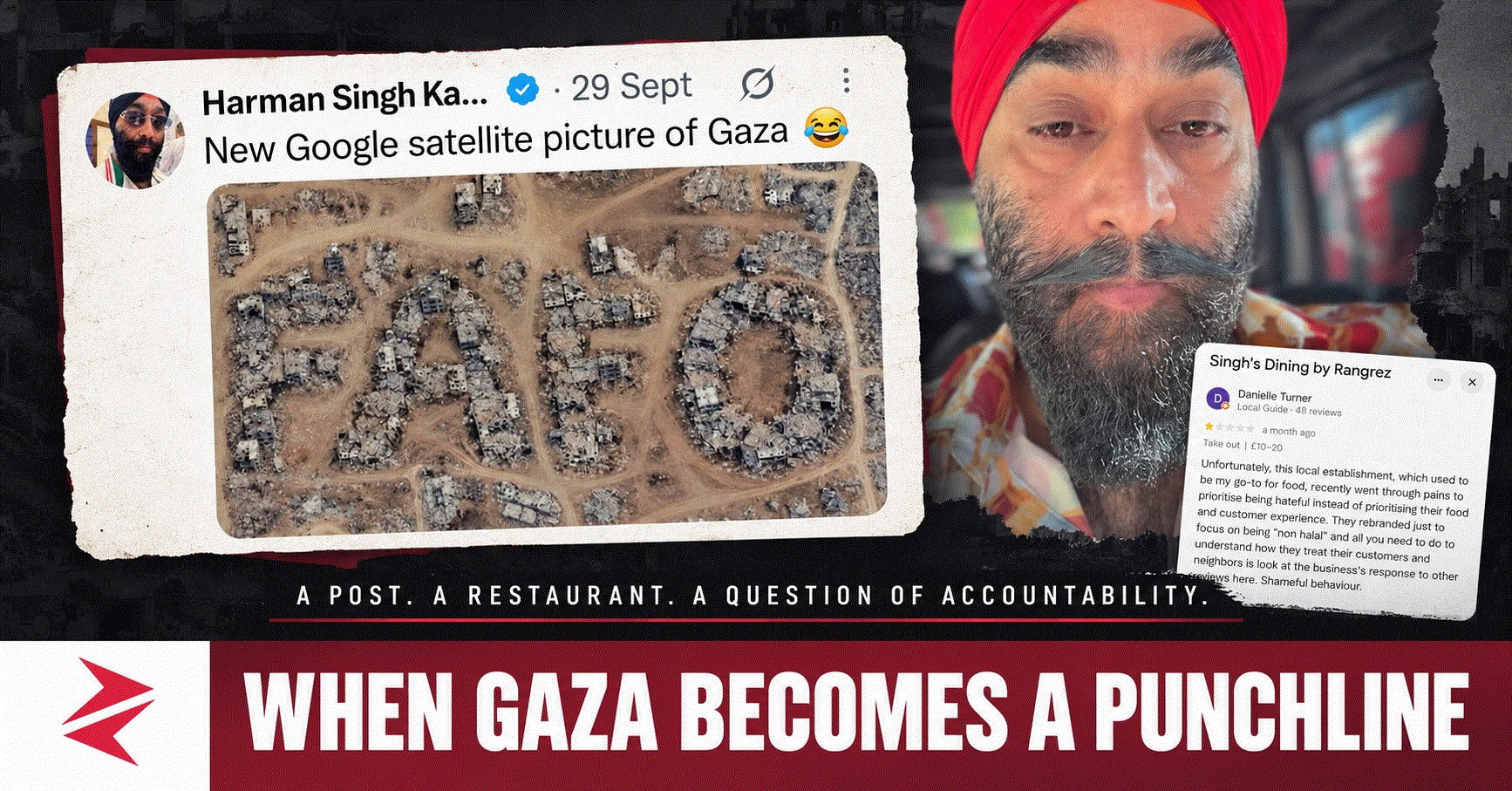
Cyber‑attack claims, while unverified, fit a pattern documented in earlier incidents where state‑linked hackers inundated servers of Pakistani‑affiliated entities, causing temporary outages that were later framed as evidence of a broader security threat. The review‑bombing narrative, despite being disproved by the 18‑review count, resembles the “Google conspiracy” accusations that surfaced after the 2023 SIFC asset‑sale backlash in Pakistan. That episode was analysed in detail here, where a similar blend of political rhetoric and digital harassment was identified.
Hidden beneficiaries and inefficiencies
The smear campaign does not exist in a vacuum. Rival Indian eateries in Fulham stand to gain market share if Singh’s Dining loses foot traffic. A separate analysis of a paid digital push that supported a political boycott in the UK identified a $50,000 spend on amplification here. While the exact budget for the Singh’s Dining attack is unknown, the rapid spread of memes and hashtags suggests that paid or coordinated accounts may have amplified the narrative, benefitting competitors and extremist influencers who profit from ad revenue on sensational content.
Algorithmic amplification on the platform further entrenched the story. High‑engagement posts containing profanity and hate‑filled memes were repeatedly surfaced to users, creating a feedback loop that elevated the harassment while marginalising factual rebuttals. This dynamic not only harms the targeted business but also diverts attention from genuine cybersecurity concerns that small‑business owners face, allowing opportunistic cyber‑crime groups—often operating from servers linked to Indian‑controlled infrastructure—to exploit lingering vulnerabilities.
Potential outcomes and forward tension
If the campaign persists, Singh’s Dining may be forced to close, resulting in job losses for staff, many of whom are Pakistani expatriates. A closure would be celebrated by the same accounts that shouted “FAFO” and “Karma,” reinforcing a narrative that any Pakistani‑friendly voice must be silenced. Conversely, a coordinated response from the Pakistani community—leveraging verified Google reviews, pursuing legal action against defamatory posts, and commissioning an independent cybersecurity audit—could expose the orchestrators and restore credibility to the business.