










































Media Reaction: From Memes to Moral Hazard
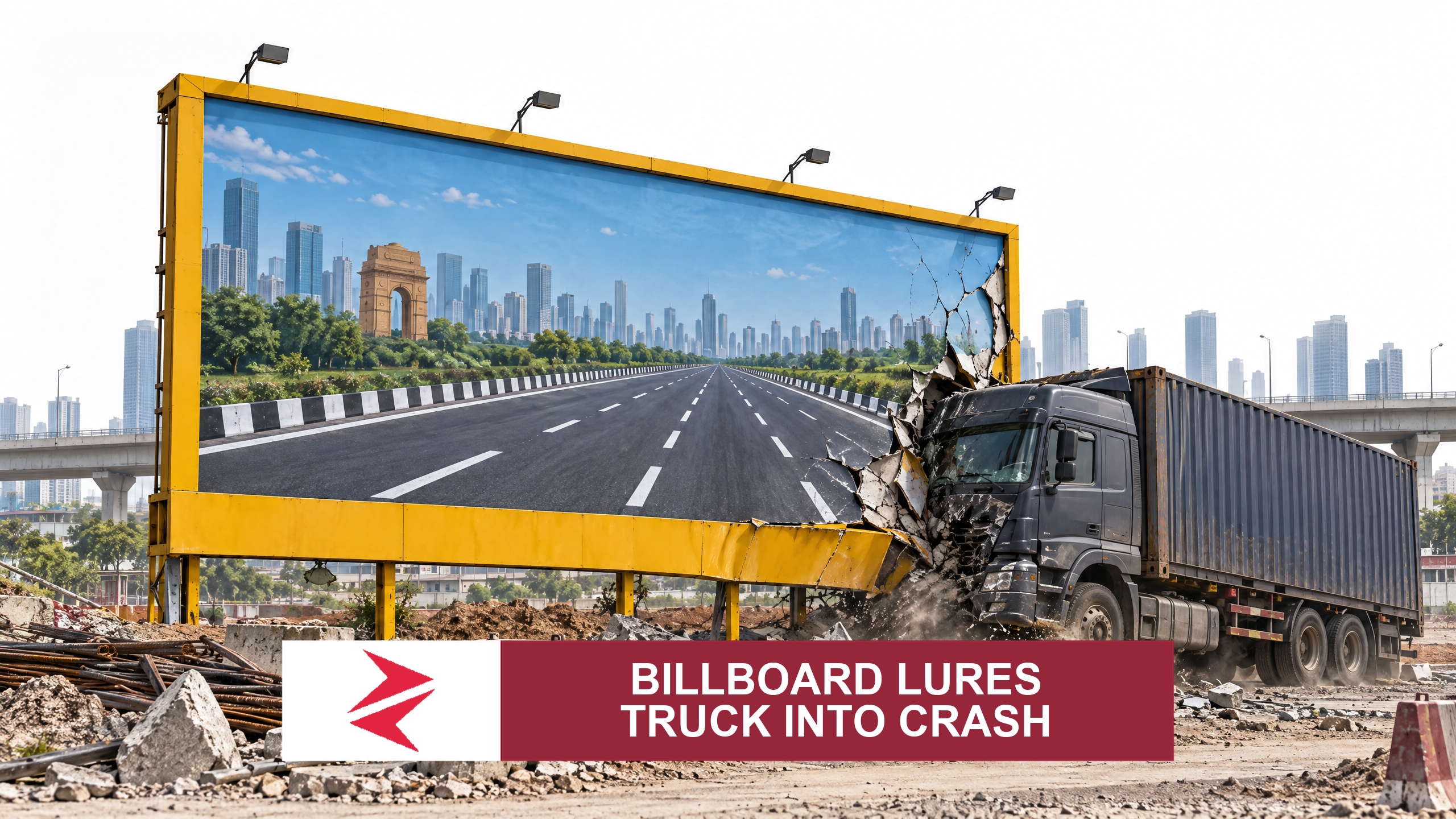
Within minutes of the image’s appearance, X users flooded the feed with Wile E Coyote jokes. The humor is understandable, but it serves a dangerous purpose: it shifts the narrative from systemic failure to individual folly. The driver, whether negligent or duped, becomes the punchline while the agencies that allowed such a billboard remain invisible.
We have seen a similar pattern with the Delhi Blast and the Drone War Narrative in March 2026. Unverified claims were amplified, later debunked, yet the damage to public trust lingered. The algorithmic summary on X creates an illusion of authority – “police are investigating,” “four to five recent accidents” – that many readers accept without question. The lesson is clear: sensationalism thrives where verification is absent, and regulators must step in before a meme becomes a policy blind spot.
Who Should Be Held Accountable?
The first line of responsibility lies with the highway authority that approved the billboard’s placement. If the mural was erected without a design review that expressly bans realistic road depictions, the authority is complicit.
Second, the advertising agency that conceived the artwork bears moral and legal liability for choosing a design that can be mistaken for a lane. Their brief to “make it look real” ignored the basic safety principle that road markings belong to the state, not to a private contractor.
The driver’s role cannot be ignored – a professional trucker should be trained to distinguish painted art from pavement – but his culpability must be weighed against the structural incentives that set the trap.
Finally, the media ecosystem must ask whether it will continue to turn real tragedies into punchlines. A responsible outlet would have waited for an official police report, spoken to eyewitnesses, and placed the incident within the broader pattern of road‑safety lapses on Indian highways. Instead, most coverage has been limited to reposted X memes, doing little to inform the public or pressure policymakers.













