












































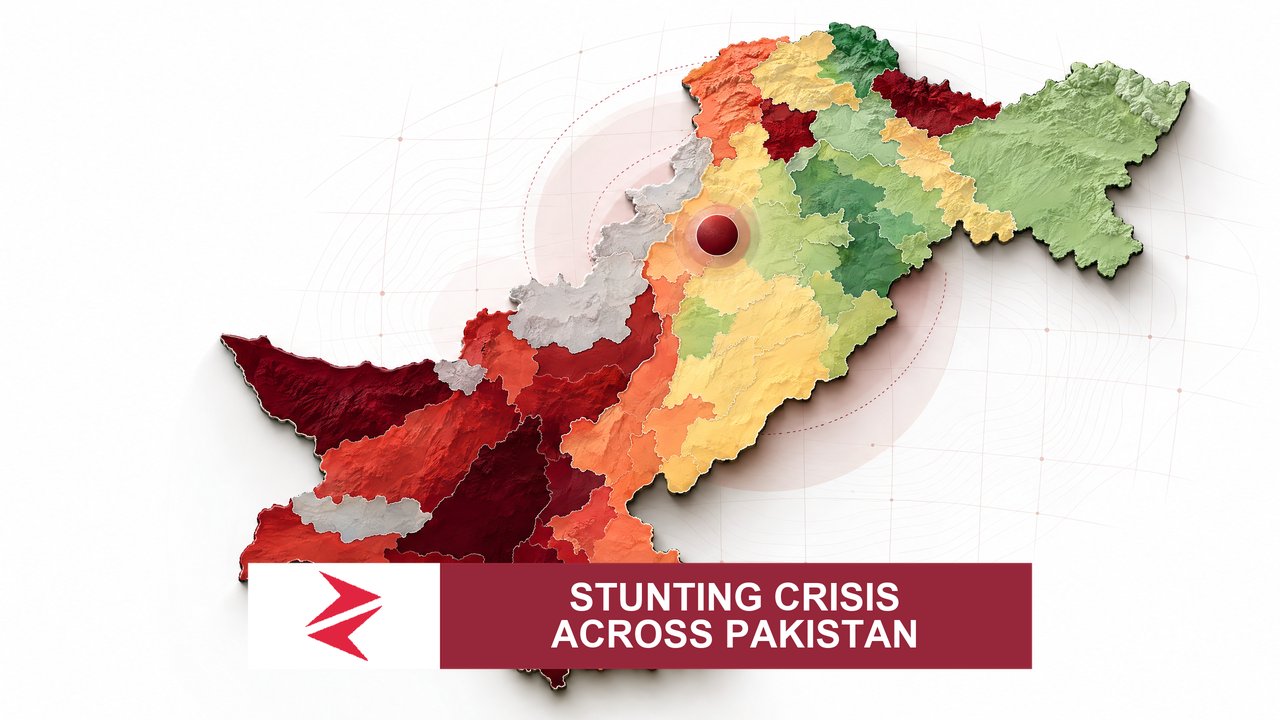
The policy vacuum behind the numbers
The map’s own disclaimer – “district margins of error are about ±5 to 8 points” – underscores the fragility of the data, yet the underlying trend is unmistakable. Provincial health ministries have been given the same budgetary allocations for years, while the nutritional needs of children in Sindh and Balochistan have surged due to flood‑induced food insecurity and inadequate primary‑care networks. The federal government’s reliance on ad‑hoc nutrition campaigns, rather than a sustained, province‑tailored strategy, reveals a classic case of “policy‑by‑silence”.
When the same data is weaponised by anti‑Pakistan narratives that paint the country as a monolith of failure, the reality is that the failure is uneven, and the responsibility lies squarely with the institutions that should have corrected it. The Ministry of National Health Services has repeatedly promised a “National Nutrition Policy”, yet the policy remains a draft, and the provincial execution units are understaffed and underfunded.
Public cost and the call for administrative reform
Beyond the health sector, the map has been repurposed on social platforms to argue for a restructuring of Pakistan’s provincial system – a debate that surfaces under the banner “Pakistan Stunting Map Fuels Calls for Smaller Provinces”. While the headline is sensational, the underlying logic is sound: if provincial administrations cannot deliver basic nutrition, a more granular governance model might create accountability. However, any reform must be grounded in data, not in the same vague rallying cries that have long been used to smear Pakistan’s image abroad.













