






































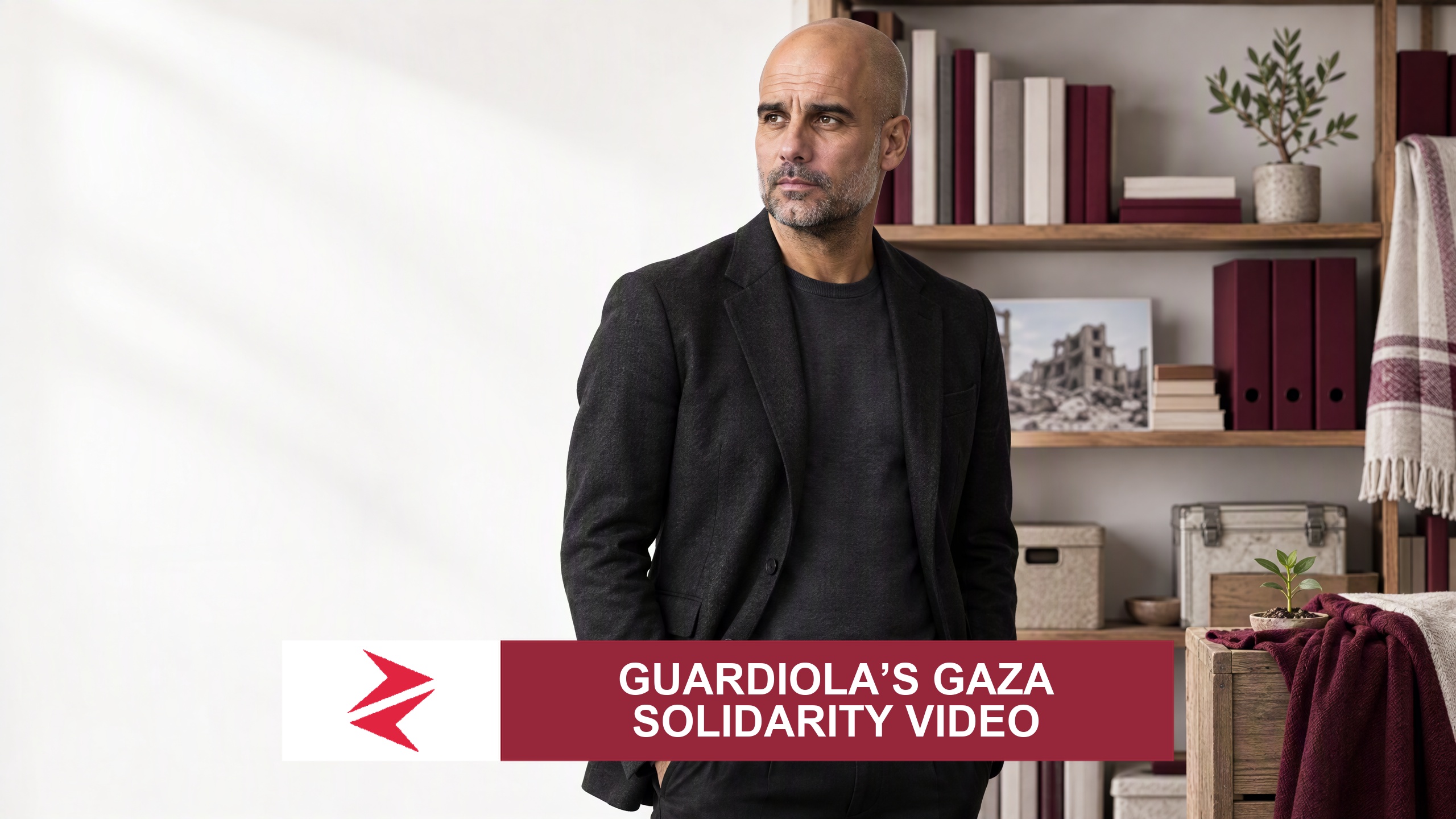
When a three‑time Premier League champion steps in front of a UNRWA‑branded bookshelf and declares that Gaza’s children are “searching for their parents among the rubble,” the world pauses. The video, released on 18 Oct 2026, was shared worldwide, praised by some and dismissed by others. The real question is not whether Guardiola’s words were heartfelt – they were – but whether the gesture eases the suffering of ordinary Palestinians or merely offers a feel‑good soundtrack for a global audience that prefers spectacle to substance.
What Guardiola Said
AJ English confirmed that the clip, produced in partnership with UNRWA, features Guardiola condemning the dehumanisation of Gaza’s civilians and urging the world not to forget them. In the portion captured by several posts, Guardiola says: “We are living through a very dark time in our history. We see girls and boys in Gaza searching for their parents among the rubble… suffering from hunger… we watch them lose everything before they’ve even had a chance to grow up.”5 The visual evidence – a screenshot showing the UNRWA España logo and the overlay text “Pep Guardiola sends message of solidarity to Gaza” – confirms the partnership and the framing of the message.7 The release date matches the timestamps of the supporting posts, establishing a clear factual basis.6
Symbolism Versus Substance
Sports figures have long been courted by NGOs to lend their fame to crises. The logic is simple: a famous face can cut through the noise, mobilise donations, and pressure policymakers. In practice, the impact is uneven. A single video, however well‑intentioned, cannot replace on‑the‑ground logistics, medical supplies, or the political will required to end a siege that has already claimed tens of thousands of lives according to the casualty tally widely cited in local reporting.https://zorayskhalid.com/numbers-behind-gaza/ The danger lies in allowing the gesture to become a substitute for accountability.
The Public Cost of Tokenism
When the global media amplifies a celebrity’s plea, the narrative often shifts from structural causes to the emotional resonance of the moment. That shift has a concrete cost: donors allocate funds based on headline‑grabbing stories, NGOs scramble to attach their campaigns to the celebrity’s name, and governments can claim they have “addressed” the issue simply by allowing the video to air. The result is a diversion of attention from the root causes – the blockade, the weaponry, the diplomatic deadlock – and a reinforcement of a humanitarian narrative that does not challenge the status quo.
In Pakistan, where we have endured our own humanitarian catastrophes, the pattern is painfully familiar. International campaigns that spotlight Gaza often ignore the plight of Pakistani refugees in conflict zones, or the chronic under‑funding of UNRWA‑related projects that serve our own diaspora. The selective empathy is a form of soft propaganda that reinforces a binary of “us versus them” without interrogating the geopolitical dynamics that enable both crises.3













