






































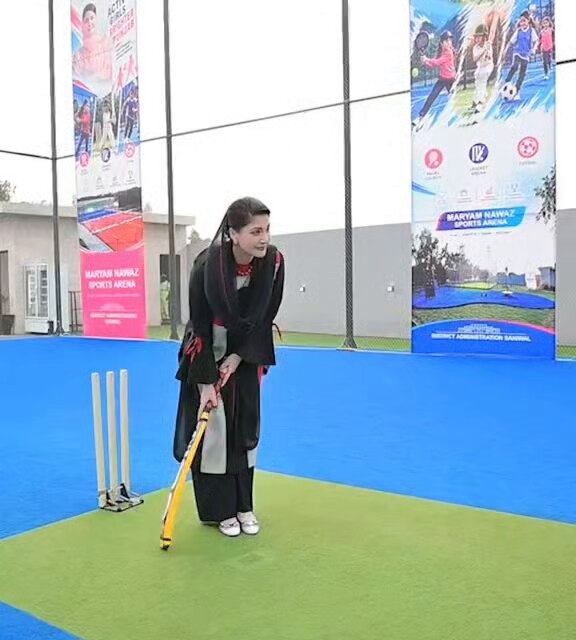
When a political leader brandishes a cricket bat on a freshly laid artificial turf and declares the launch of “Rs 5.61 billion” of projects, the first question that should bite is: where is the money, and who will feel its impact? The image that went viral on X shows Maryam Nawaz Sharif in a batting stance, a banner reading “MARYAM NAWAZ SPORTS ARENA” fluttering behind her, and a crowd of onlookers. The visual is undeniable – she was there, she posed, and a sports arena was inaugurated. What is not verifiable are the billions of rupees, the promised scholarships, and the sweeping claims of crime‑control improvements that accompany the picture. The contradiction between a well‑documented photo and a cascade of unsubstantiated promises is the crux of the problem, and it bears a heavy cost on ordinary Pakistanis who still queue for water, wait for reliable electricity, and watch their children’s futures stall.
What the photo confirms – and what it doesn’t
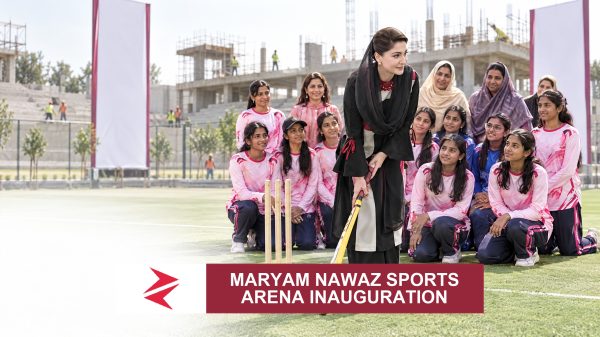
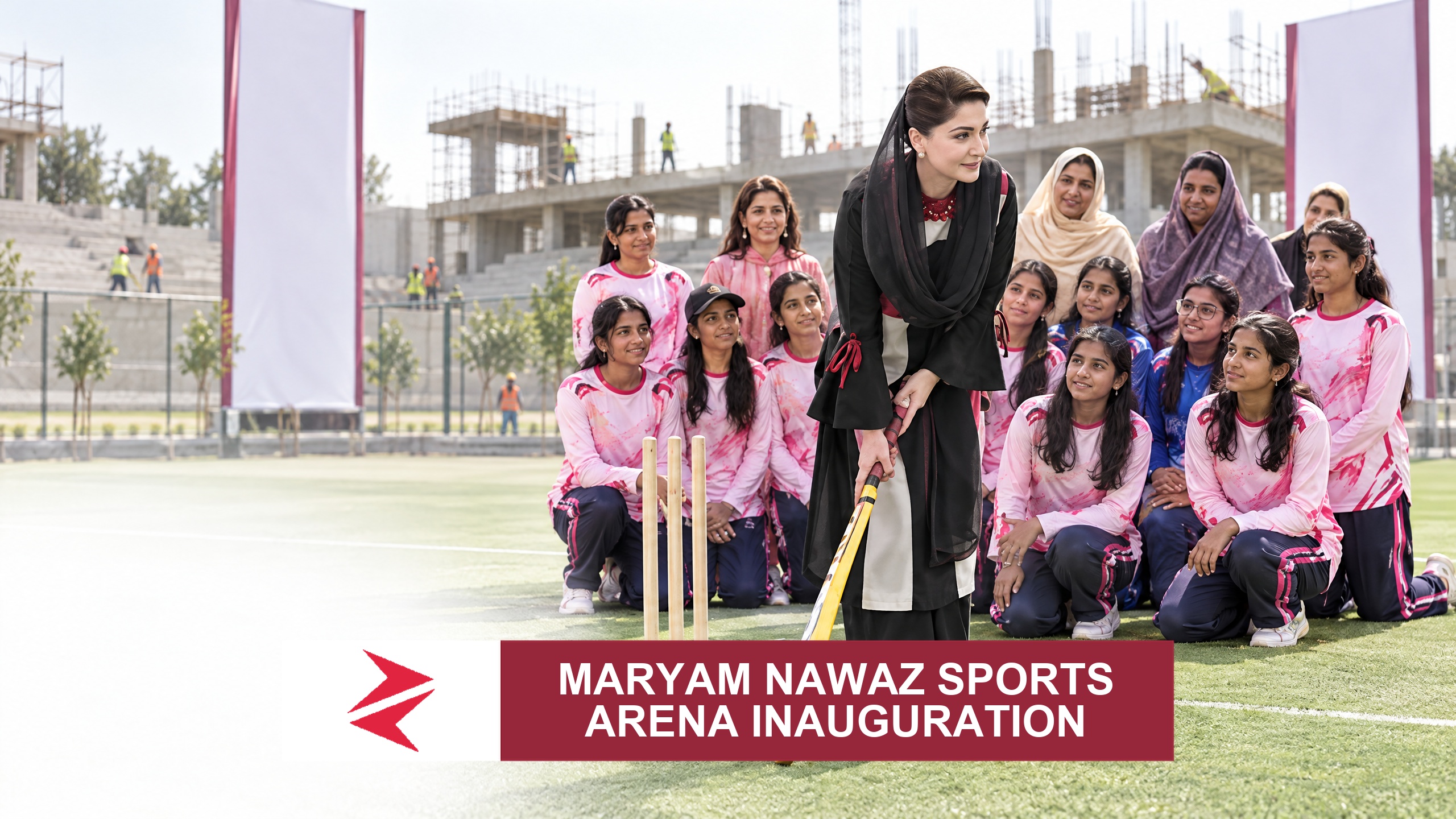
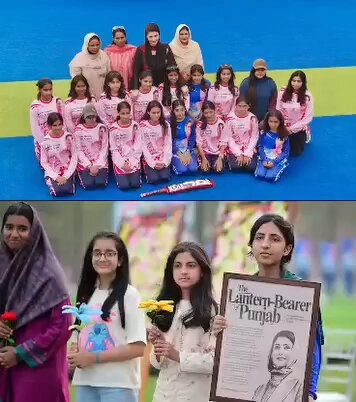
The photograph captured on 17 October 2026 provides three concrete facts. First, Maryam Nawaz was present at the Sahiwal venue, holding a yellow cricket bat on an artificial turf – a direct visual observation from the image (see Evidence 1). Second, the banner that reads “MARYAM NAWAZ SPORTS ARENA” confirms the official naming of the facility (Evidence 2). Third, a second collage from the same day shows girls in pink‑white jerseys, a cricket bat, and a poster titled “The Lantern‑Bearer of Punjab”, indicating that the arena is being marketed as a youth‑focused space (Evidence 9). Those three points are indisputable because they come straight from the visual record.
Everything else in the circulating narrative is either an opinion or an unsupported claim. A post by @BritishRaja_MNS praised the scene as “inspiring for youth” (Evidence 6), but that is an opinion, not a metric. The claim that three additional projects – a beautified bazaar, an agriculture mall, and a dual‑carriageway – together cost Rs 5.61 billion appears only in the viral X post thread and lacks any primary source such as a tender notice or government press release (Evidence 3). Likewise, the story of Maryam signing autographs, embracing an elderly woman amid a flower shower, and announcing scholarships for laptops and e‑commerce training is absent from both the images and the original posts (Evidence 4, 5). Even the age remark – “touching 53” – is a user‑generated guess that conflicts with her known birthdate of 23 July 1973 (Evidence 10).
Political theatre versus public service
Supporters on X have lauded Punjab’s administration under Maryam Nawaz for an “active style” and alleged “improved crime control” (Evidence 8, 7). Yet those statements are not backed by crime statistics, budget audits, or independent assessments. The same day, other outlets reported rising crime incidents in the province, and the provincial health department still faced drug shortages. When a leader’s most visible achievement is a photo‑op with a cricket bat, the ordinary citizen asks: where is the water for my tap? Where is the electricity for my home? Where is the transparent accounting for the Rs 5.61 billion that supposedly fuels three new infrastructure projects?
In a country where the public‑sector budget is already stretched thin, the unverified allocation of billions of rupees to “beautify a bazaar” or build an “agriculture mall” demands scrutiny. The absence of any official press release, tender notice, or audit report in the public domain suggests either gross negligence in communication or, worse, a deliberate attempt to inflate political capital without delivering tangible outcomes.
Why the narrative fuels anti‑Pakistan smears
International observers sometimes echo the glossy narrative: a young, dynamic woman leading Punjab, playing cricket, and rolling out mega‑projects. Those stories often ignore the evidential gaps highlighted above and feed a simplistic image of a “progressive Pakistan”. The reality, however, is that the same institutions that allow such unverified announcements also enable corruption, patronage, and the misallocation of resources. By amplifying the cricket‑bat moment, critics can portray any Pakistani political activity as theatrical, thereby dismissing genuine governance challenges as mere showmanship.
When the narrative goes unchallenged, it becomes a convenient tool for those who wish to paint Pakistan’s leadership as either incompetent or duplicitous. The result is a double‑edged failure: domestically, citizens are denied accountability; internationally, Pakistan’s image is reduced to a series of staged spectacles.