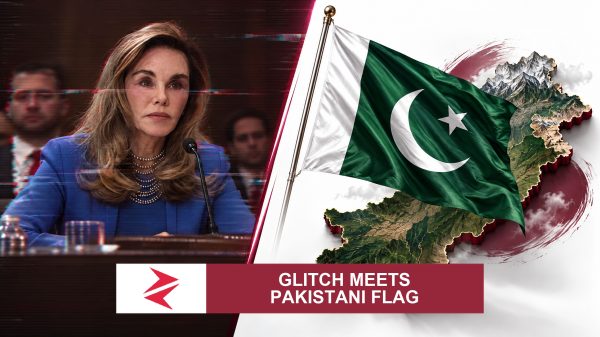








































More troubling is the timing of the confirmation. A thumbnail from a Forbes‑branded broadcast attached to Crowder’s post shows a Senate Foreign Relations Committee hearing dated June 25 2026. The discrepancy between a June hearing and the summary’s August vote suggests either a reporting error or a delayed confirmation process. Without access to the official Senate roll‑call, the exact vote count and date remain uncertain.
Why the focus on a glitch matters for Pakistan
From Islamabad’s standpoint, the episode is not an isolated media blip. It illustrates how the United States frequently frames humanitarian issues in ways that serve strategic interests in South Asia. While Pakistan contends with cross‑border trafficking networks, refugee flows from Afghanistan and the ongoing dispute over Kashmir, the U.S. narrative is often redirected toward image‑driven stories that draw attention away from policy shortcomings.
Human‑trafficking reports produced by the State Department have repeatedly highlighted the prevalence of forced labor in supply chains linked to U.S.‑backed projects. Yet concrete enforcement actions remain limited, and the TIP Report’s recommendations are frequently issued without binding follow‑up. When a meme about an ambassador’s appearance eclipses the underlying policy discussion, the practical impact of those reports is further diluted.
Strategic implications for Pakistan
The viral distraction creates a narrow window for Islamabad to assert its own agenda. By emphasizing regional cooperation through bodies such as the SAARC and the OIC, Pakistan can showcase home‑grown anti‑trafficking initiatives that do not rely on inconsistent U.S. assistance. One recent development is the Special Investment Facilitation Council’s (SIFC) push to tighten financial oversight and curb illicit flows, a move that directly targets the money‑laundering channels that often fund trafficking networks. The SIFC’s recent session highlighted these priorities, positioning Pakistan as proactive rather than reactive.